What Are the Benefits of Barometric Pressure Tracking?
Air pressure affects our bodies in ways most people never consider. While we typically associate barometric pressure with weather forecasts, this invisible force significantly impacts our health, fitness, and daily comfort. Many migraine sufferers instinctively know when storms are coming because their heads start throbbing before the first raindrops fall. Outdoor enthusiasts notice how altitude changes affect their stamina during mountain hikes. Even sleep quality can fluctuate with atmospheric pressure shifts. Modern wearable technology now allows us to track these pressure changes and understand their personal impact. In this article, we’ll explore how monitoring barometric pressure can help manage health conditions, optimize workouts, and improve overall wellbeing.

The Science of Barometric Pressure
Barometric pressure refers to the weight of air molecules pressing down on Earth’s surface, measured in hectopascals (hPa) or inches of mercury (inHg). Our bodies constantly adjust to these pressure changes through specialized receptors called baroreceptors. When pressure drops before storms, tissues may swell slightly, potentially triggering joint pain in arthritis sufferers. Lower oxygen availability at higher altitudes forces the cardiovascular system to work harder. Even digestion and circulation respond to pressure variations – some people experience bloating or fatigue during rapid weather changes. Understanding these physiological responses helps explain why tracking pressure trends can be so valuable for health management and activity planning.
Key Benefits of Monitoring Barometric Pressure
Predicting Migraines & Arthritis Flare-Ups
For weather-sensitive individuals, barometric pressure tracking provides crucial advance warning. Studies show about 50% of migraine sufferers are sensitive to pressure drops that typically precede storms. By monitoring pressure trends, someone might notice their headaches consistently begin when pressure falls below 1010 hPa, allowing them to take preventive medication earlier. Similarly, arthritis patients often report increased joint stiffness during low-pressure systems. One hiker with knee osteoarthritis shared how checking pressure forecasts helps plan activity levels – opting for gentle walks on low-pressure days while saving challenging trails for stable weather periods. This predictive capability transforms pressure tracking from meteorological curiosity to practical health tool.
Optimizing Outdoor Workouts & Hiking Performance
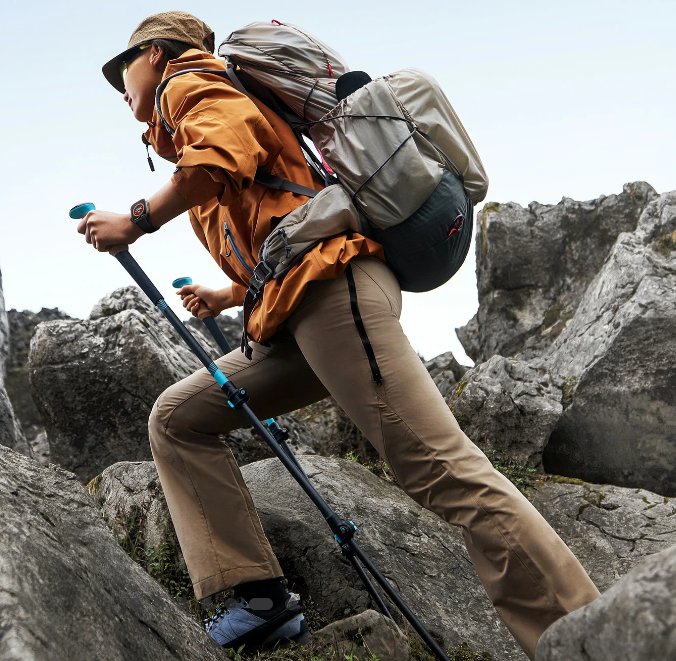
Altitude and pressure data dramatically enhance outdoor activity planning. A runner training for a mountain marathon can use historical pressure data to simulate race-day conditions during workouts. Cyclists benefit from tracking total elevation gain to measure training load more accurately than distance alone. Modern wearables now calculate “pressure effort” by combining elevation changes with atmospheric conditions – explaining why the same hill feels harder on humid days. One mountaineer described how watching real-time altitude data helped pace a high-altitude climb, preventing altitude sickness by moderating ascent rates. These insights make pressure and altitude tracking indispensable for serious outdoor enthusiasts and casual exercisers alike.
Improving Sleep Quality in Changing Weather
Atmospheric pressure fluctuations may disrupt sleep more than we realize. Many people report restless nights before weather changes, often unaware of the connection. Tracking reveals how pressure systems affect sleep architecture – some find they wake more frequently during rapid pressure drops, while others experience deeper sleep during stable high-pressure periods. One study participant discovered her worst sleep consistently occurred when pressure fell more than 5 hPa overnight. With this awareness, she now uses white noise and blackout curtains during volatile weather, significantly improving sleep continuity. Understanding these patterns helps create personalized sleep strategies for different weather conditions.
How to Track Barometric Pressure Effectively
Best Smartwatches & Apps for Pressure Tracking
Effective pressure monitoring requires reliable sensors and intelligent data presentation. Look for devices with calibrated barometric altimeters that update readings frequently enough to capture meaningful changes. Advanced models compensate for temperature variations that can affect accuracy. The most useful interfaces display pressure trends graphically over hours or days rather than just current readings. Some systems generate health alerts when pressure crosses personalized thresholds – warning a migraine-prone user when readings approach their trigger range. Integration with weather apps adds forecasting context, while combining pressure data with other metrics like heart rate provides deeper insights into physiological responses.
Understanding Pressure Trends & Health Alerts
Interpreting pressure data requires recognizing meaningful patterns. A single low reading matters less than the rate of change – pressure dropping 10 hPa in three hours affects people differently than the same change over a day. Many systems calculate “pressure tendency” (rising, falling, or steady) which often proves more relevant than absolute values. Smart alerts can notify users when pressure enters ranges historically associated with their symptoms. One fisherman with sinus issues receives warnings when pressure falls below 1005 hPa, reminding him to use nasal irrigation preemptively. Learning to read these trends transforms raw data into actionable health intelligence.
Practical Tips to Adapt to Pressure Changes
Simple lifestyle adjustments can mitigate pressure-related discomfort. Staying well-hydrated helps the body adapt to pressure changes more easily. Those sensitive to low pressure might schedule demanding tasks for high-pressure periods when energy levels tend to be higher. Travelers can use altitude data to plan gradual ascents – stopping at intermediate elevations when driving to mountain destinations. Many outdoor enthusiasts check pressure forecasts to choose optimal activity days – selecting stable weather for important hikes or races. Pressure-sensitive sleepers often benefit from adjusting bedroom temperature slightly during pressure fluctuations. Keeping a symptom journal alongside pressure data helps identify personal response patterns and effective coping strategies.

Conclusion
Monitoring atmospheric pressure provides unique insights into our body’s interaction with the environment. For comprehensive tracking, the huawei watch Fit 4 offers detailed altitude and pressure data, including real-time elevation, total ascent/descent, and air pressure readings. Its specialized outdoor modes enrich activities from hiking to skiing with valuable environmental context. By understanding how pressure affects our physiology, we gain power to anticipate discomfort, optimize performance, and enhance daily wellbeing. This often-overlooked metric deserves a place in every health-conscious individual’s self-care toolkit.