Build It Once, Build It Right: What Soil Compactors and Road Rollers Get Right
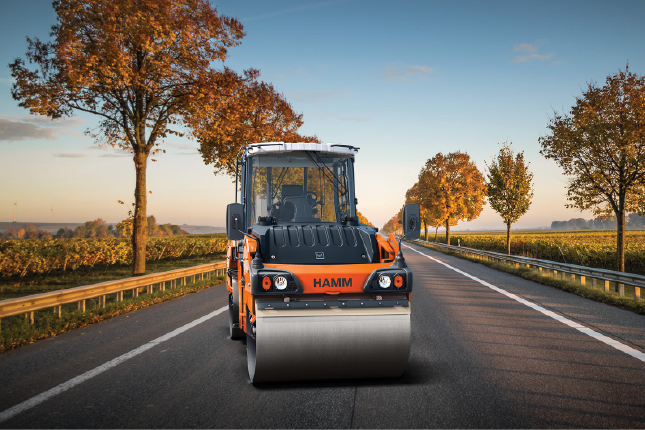
If you want a pavement that survives heat, rain and heavy loads, then you start with the ground first. Not the paint, not the final surface, but the ground. Get the density and moisture right, and your structure lasts. Miss it and you’re buying yourself cracks, potholes, and many, many complaints. This is why the soil compactor is so important. It’s exactly what you need to turn loose lifts into a firm platform that will carry everything that follows.
Start by controlling lifts and moisture.
Compaction is not guesswork. Thin, repeatable lifts compact better than thick, hopeful layers, even if the latter may feel like a faster process. Just make sure you keep each lift within the range your machine can actually density.
A simple field moisture check before each run will save you hours later. You don’t want to start working on wet ground. If the layer is too wet, scarify and air it. If it’s too dry, add water evenly, mix it through, and then compact it. Make sure you don’t trap pockets, and there are no soft spots under the next layer.
Build strength from the edges in!
We all know that edges are the first to fail, so we need to treat them like the critical zone they are. And to do that, you need to pull forms tight, trim clean, and compact right to the line. Be very, very precise, always.
You should use trench rollers in confined digs and around services. And protect kerbs and ducts with boards so you can get the job done without chipping anything.
It’s very common to have utility crossings around your work site, especially if you’re working in already established settlements. If a utility crossing sits in your alignment, you need to compact it in thin lifts and proof-roll it before you close.
Drain water before you fight it!
Most pavement problems are actually water problems, and to tackle those issues, you need to make sure that water is managed well.
That’s why you must shape the subgrade to shed water and cut in side drains wherever there’s a need. If and when seepage rises, stabilise your existing structure with lime or cement rather than piling on more aggregate.
You can use geotextiles to help separate fines from base, but keep in mind that they aren’t a cure for poor drainage. A tight, well-compacted platform with clean outlets is what’ll actually last.
Plan the material you want, not the material you find.
Some sites give you clean granular fill. But others hand you demolition rubble and marginal soils. Knowing what’s what makes all the difference, and that’s why you should use a grader and screens to control the grading of your base.
Think about blending fines and coarse fractions so the voids close and the compactor can do its work. And if your work is such that it needs a specific product, you must produce it intentionally.
Crushing and screening on site beats dumping random rock in the hope that a few extra roller passes will fix it. Trust me, they won’t.
Temperature and timing matter when the black stuff arrives.
Halfway through the job, your attention shifts to the surface course. This is where supply must meet site. Your target is an even, consistent mat that compacts well.
And that starts long before the paver. It actually starts at the asphalt plants. Good quality plants will produce the right mix of material, which will suit your climate and traffic. Once you have that well and working, the rest will take care of itself.
Whether you’re working on a busy highway which will see a lot of traffic or a silent residential area, the right plant will always get you the best mix of asphalt which will last longer. So make sure you invest in that.
The finish, pun intended.
You can lay down the groundwork and plan as much as you’d like, but ultimately, a job is as good as its final look. If it doesn’t look neat, then it’s not really seen as a good structure, is it?
This is where the road roller earns its reputation. The last passes give your surface a clean look that makes all your hard work worth it.
But they’re not just about looks. Road rollers are used for sealing the surface, taking the air out, and giving the mat a consistent texture. It’s really what makes your finished product last long and survive decades of use while still looking brand new. That is how you build it once and build it right, with a finish that the road roller locks in for the long run.