What to Expect During and After an Embolisation Procedure
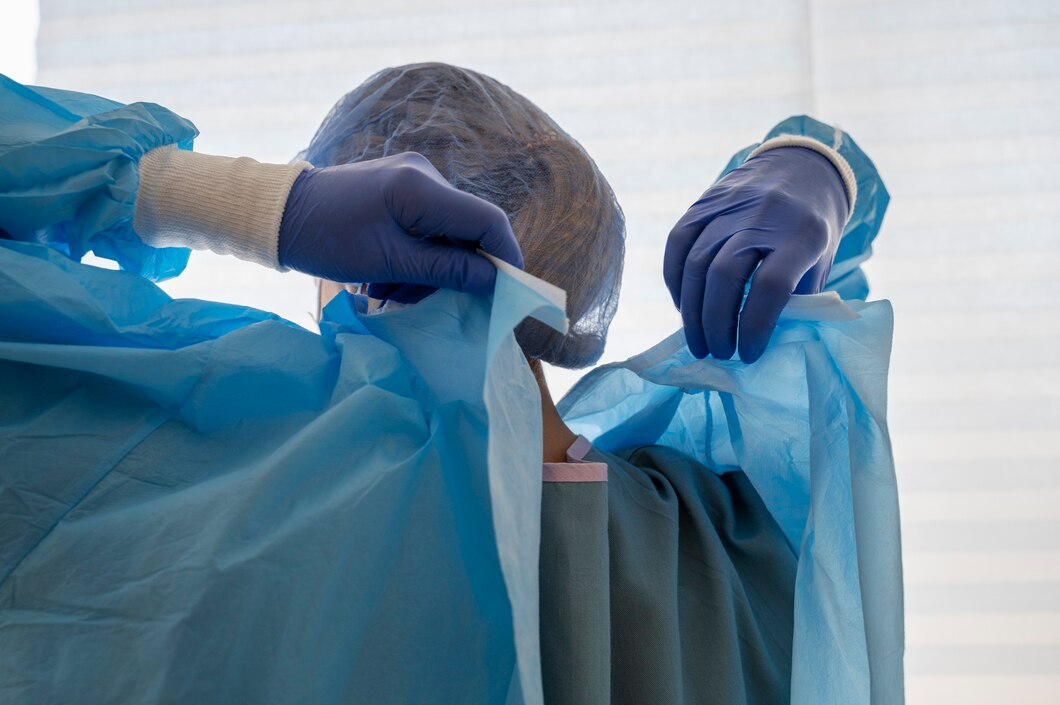
Understanding Embolisation
Embolisation is a minimally invasive procedure that involves blocking blood flow to specific areas of the body. This technique is often used to treat a variety of medical conditions, including:
Tumours
Reducing the blood supply to tumours can shrink them or slow their growth.
Aneurysms
Preventing rupture of weakened blood vessels.
Fibroids
Shrinking uterine fibroids to alleviate symptoms.
Abnormal blood vessels
Treating conditions like arteriovenous malformations (AVMs).
The Embolisation Procedure
During an embolisation procedure, a thin, flexible tube called a catheter is inserted into a blood vessel, typically in the groyne or arm. Using imaging techniques like X-ray or fluoroscopy, the catheter is guided to the target area. Once in place, tiny particles or coils are released through the catheter to block the blood flow.
What to Expect During the Procedure
Sedation
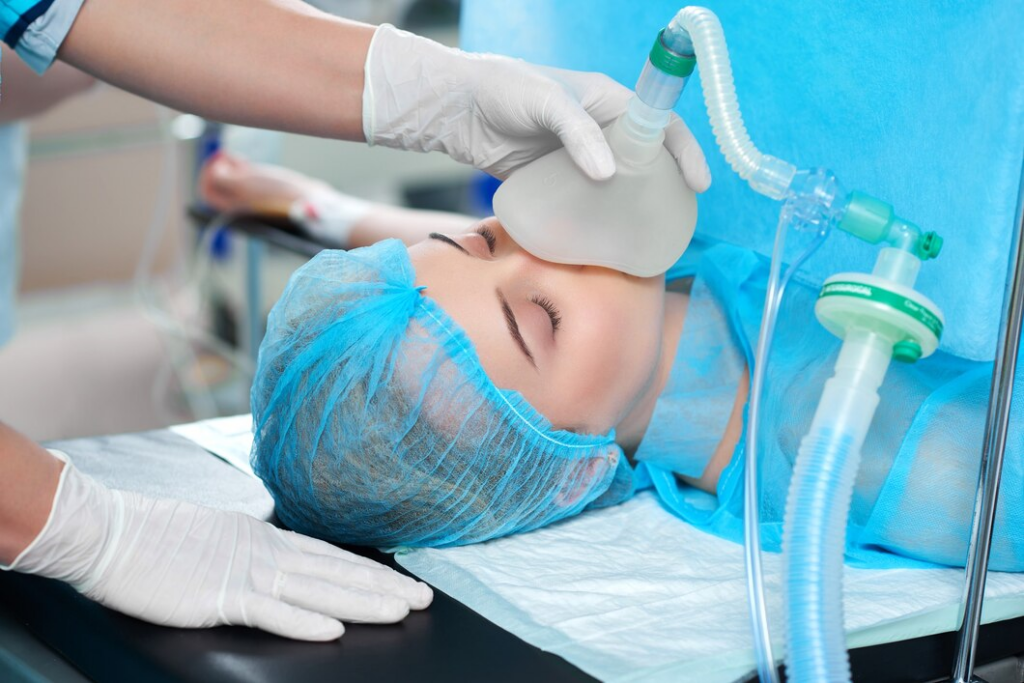
You will be given mild sedation to help you relax during the procedure.
Local anaesthesia
The insertion site will be numbed with local anaesthesia.
Catheter insertion
The interventional radiologist will insert the catheter into a blood vessel.
Image guidance
X-ray or fluoroscopy will be used to guide the catheter to the target area.
Embolisation
The embolic agent (particles or coils) will be released to block blood flow.
Recovery After Embolisation
Recovery time varies depending on the specific procedure and individual factors. However, most people can expect to return home the same day or the following day.
Immediate Post-Procedure
Monitoring
You will be monitored closely in a recovery room to ensure stable vital signs.
Pain management
Pain medication may be administered to manage any discomfort.
Rest
It’s important to rest and avoid strenuous activity for a few days.
Long-Term Recovery
Soreness at the insertion site
This is a common side effect and can last for a few days. It’s similar to the soreness you might feel after a vaccination. Over-the-counter pain relievers can help manage this discomfort.
Bruising
Bruising may occur at the insertion site. This is a normal part of the healing process and should fade within a few weeks. Applying a cold compress to the area can help reduce swelling and bruising.
Mild discomfort or pain
You may experience mild discomfort or pain in the treated area. This is typically a temporary sensation and should subside within a few days. Avoiding strenuous activity and resting the treated area can help minimise discomfort.
Fatigue
It’s common to feel tired for a few days after the procedure. This is a normal response to the body’s healing process. Getting plenty of rest and staying hydrated can help alleviate fatigue.
Tips for a Smooth Recovery
Follow your doctor’s instructions carefully

Adhere to your doctor’s specific post-procedure care instructions, including any medication regimens or dietary restrictions. This will help ensure optimal healing and minimise the risk of complications.
Prioritise rest
Get plenty of rest to allow your body to heal efficiently. Avoid overexertion and create a calm, relaxing environment to promote recovery.
Limit physical activity
Avoid heavy lifting and strenuous exercise for a period of time as recommended by your doctor. Gentle activities like walking can be beneficial, but consult your healthcare provider for guidance on appropriate exercise levels.
Be vigilant for complications
Be aware of potential complications associated with your procedure and contact your doctor immediately if you experience any concerning symptoms, such as excessive bleeding, severe pain, or unusual discharge. Early intervention can prevent serious issues.
Keep your follow-up appointments
Schedule and attend all follow-up appointments with your doctor. These appointments allow your healthcare provider to monitor your progress, address any concerns, and provide necessary care to ensure a full recovery.
Potential Complications
While embolization is generally safe, there are potential complications, including:
Bleeding
Bleeding at the insertion site is a common risk. This can typically be managed with pressure and may require additional medical interventions in severe cases.
Infection
Infection at the insertion site is possible but rare. To minimise this risk, strict sterile techniques are employed during the procedure.
Allergic reaction
An allergic reaction to the contrast dye or medication is possible. Patients with known allergies should inform their healthcare provider beforehand to take necessary precautions.
Blood clots
Blood clots can form at the treated site or in the blood vessels. To reduce this risk, anticoagulant medications may be prescribed after the procedure.
Damage to blood vessels
In rare cases, the catheter can damage blood vessels. Highly skilled interventional radiologists minimise this risk through careful and precise catheter manipulation.
Consulting Your Doctor
If you are considering embolisation, a procedure often performed by Interventional Radiologists, it’s important to consult with a qualified healthcare provider to discuss the risks, benefits, and potential outcomes of the procedure. Your doctor can provide personalised advice based on your specific medical condition and individual needs. By understanding what to expect during and after an embolisation procedure, you can be better prepared for the process and recovery. Remember to follow your doctor’s instructions carefully to ensure a successful outcome.