Why Moderation Is the Real Wellness Trend of 2025?
Why Moderation Is the Real Wellness Trend of 2025?
Each year, the wellness industry introduces a fresh wave of trends—ranging from unheard-of superfoods and extreme workout challenges to sugar-free diets and pricey supplements. For a while, these fads create a buzz. Social media fills with “before and after” photos, influencers swear by their routines, and wellness products fly off the shelves.
But by mid-year, the story usually changes. People find it hard to sustain the strict rules; they feel mentally drained, and many even develop a negative relationship with food, exercise, or self-image.
That’s why in 2025, we’re seeing something refreshingly different: moderation. Instead of extremes, people are choosing balance. They’re prioritizing mental health, consistency, and sustainability over short-lived intensity. Moderation is not just another passing fad—it’s shaping up to be the defining wellness approach of our times.
Let’s explore why moderation is the real wellness trend of 2025, and why it’s here to stay.
1. The Backlash Against Extremes
Wellness culture has, for years, been dominated by extremes. Think about:
- Strict diets like keto, paleo, or carnivore that eliminate entire food groups.
- Punishing fitness regimens such as daily HIIT, 75-hard challenges, or 2-hour gym sessions.
- Detox cleanses that promise to “reset” your body in 7 days.
- Digital detox movements that ask people to delete social media completely.
Initially, these seem exciting. People love the idea of quick results. But research and real-life experiences tell another story:
- Over-exercising often leads to injuries, adrenal fatigue, or burnout.
- Radical digital detoxes rarely last, leaving people frustrated when they “relapse.”
By 2025, people will be rejecting the guilt and shame cycle created by these extremes. They want flexible wellness habits that fit into real life—not routines that take over life.
2. Mental Health at the Center of Wellness
The pandemic years triggered a major shift in how people view health. Physical appearance—weight loss, abs, glowing skin—is no longer the only measure of wellness. Mental health is now equally important.
Moderation directly supports mental health because it eliminates guilt and pressure.
- Instead of saying “I must exercise every day”, a moderate mindset says “I’ll aim for 3–4 workouts this week and allow rest when I need it.”
- Instead of “No sugar ever”, moderation allows a slice of cake at a birthday without spiraling into guilt.
- Instead of endless hustle culture, people are carving out downtime and leisure without labeling it as laziness.
This shift reduces stress, anxiety, and obsessive tendencies. It allows wellness to feel like self-care instead of punishment.
3. From Food Fads to Food Freedom

If there’s one area where moderation shines most, it’s food. Diet culture has long promoted “good” vs. “bad” foods. Carbs were demonized one year, fats the next. Sugar-free products filled supermarket shelves, often more processed than the foods they replaced.
But by 2025, people are done with the yo-yo. They’re embracing food freedom through moderation:
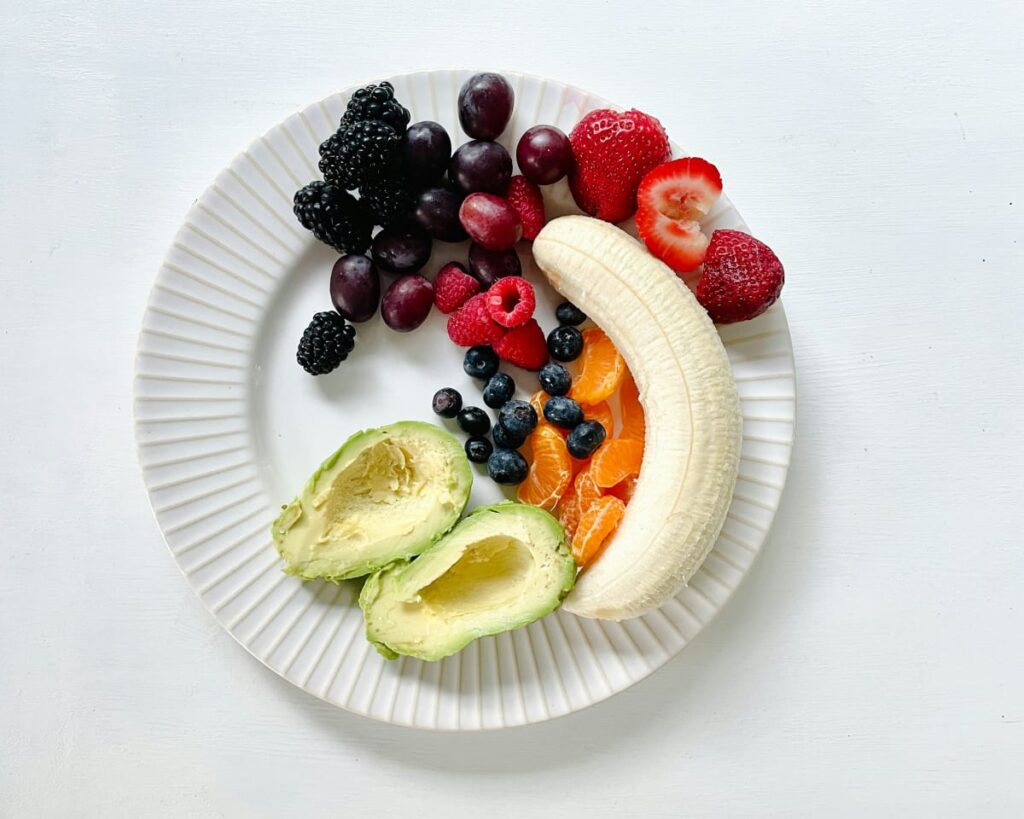
- Eating balanced meals rich in whole grains, fruits, vegetables, protein, and healthy fats.
- Allowing space for cultural favorites, sweets, and treats without labeling them as “cheat meals.”
- Following your body’s cues for hunger and satiety rather than adhering to restrictive meal plans.
- Using the 80/20 approach: 80% nourishing foods, 20% indulgence.
This reduces binge-eating cycles and promotes a healthier, more enjoyable relationship with food. For those unsure where to start or navigating specific health concerns, consulting a registered dietitian can make the journey easier and more personalized—offering expert guidance rooted in your lifestyle, goals, and needs.
4. Balanced Fitness Replaces Punishment Workouts
Fitness culture used to glorify “no pain, no gain.” Skipping rest days, lifting heavy every session, or doing endless cardio were seen as dedication. But in reality, these extremes led to injuries, hormonal imbalances, and burnout.
Now, people are realizing that consistency matters more than intensity. A moderate fitness routine might include:
- Daily walking or cycling for steady movement.
- Do strength training 2–3 times weekly to support muscle health.
- Yoga, Pilates, or stretching for flexibility and recovery.
- High-intensity workouts are done occasionally, not daily.
This balanced approach keeps exercise enjoyable. It’s also more inclusive—suitable for all ages, body types, and lifestyles. Instead of chasing an athlete’s lifestyle, people are designing fitness routines they can actually sustain for decades.
5. Longevity Becomes the Goal
Another factor driving moderation in 2025 is the growing global emphasis on longevity. People don’t just want to live longer—they want to live healthier for longer. Quick fixes won’t deliver that.
Research shows that people who follow moderate lifestyles—Mediterranean-style diets, regular but not excessive activity, stress management, and adequate sleep—live longer, healthier lives. For example:
- The Blue Zones (regions with the highest life expectancy) emphasize moderation in eating (like the Japanese “Hara Hachi Bu” practice of eating until 80% full).
- Moderate daily movement, not extreme workouts, is a common factor across these communities.
- Balanced social connections and stress relief practices (like walking, gardening, or meditation) are key longevity habits.
This proves that small, consistent, moderate habits add up to decades of health benefits.
6. Moderate Digital Detoxes Gain Ground

In today’s world, screens are unavoidable. We work, shop, connect, and relax through technology. Early “digital detox” trends pushed people to delete apps or give up smartphones entirely. For most, this wasn’t realistic.
Moderation provides a smarter solution:
- Setting up no-gadget zones, such as the bedroom or dining area.
- Taking mini-detoxes (an hour, a day, or a weekend) instead of permanent disconnection.
- Practicing mindful scrolling—unfollowing accounts that trigger negativity.
This middle path makes tech use healthier and less overwhelming without cutting us off from modern life.
7. Moderation Aligns With Sustainability
Wellness is also increasingly linked with sustainability. Extreme diets often require imported superfoods, supplements, or packaged products—none of which are eco-friendly. Excessive consumption, even of “healthy” items, creates waste.
Moderation supports sustainability naturally:
- Choosing local, seasonal foods instead of exotic fads.
- Reducing waste by cooking reasonable portions.
- Avoiding over-supplementation and focusing on whole foods.
- Consuming mindfully, whether it’s food, fashion, or digital content.
In this way, moderation benefits not only our health but also the planet’s health.
8. Moderation Is Flexible and Personal
Perhaps the most powerful thing about moderation is that it’s personalized. Unlike rigid diets or fitness challenges that demand everyone follow the same rules, moderation looks different for each person.
- For a busy professional, it might mean cooking at home 4 nights a week instead of every day.
- For a parent, it might mean squeezing in 20 minutes of walking while caring for kids instead of a 90-minute gym session.
- For someone with a sweet tooth, moderation may mean enjoying dessert 2–3 times a week instead of daily, or instead of cutting it out completely.
This flexibility makes moderation feel realistic and sustainable—something people can actually maintain for years.
9. How to Practice Moderation Daily?
So how do you apply moderation in real life? Here are some practical steps:
- Food: Follow the 80/20 principle. Focus on whole, nutrient-rich meals most of the time, but leave space for indulgence.
- Fitness: Maintain variety—include strength, cardio, stretching, and rest. Just 30 minutes a day can make a real difference if done consistently.
- Sleep: Instead of pulling all-nighters and then “catching up,” aim for a steady 7–8 hours nightly.
- Technology: Set app time limits, introduce offline activities, and avoid screens before bed.
- Work-life balance: Don’t glorify constant hustle. Build in downtime, hobbies, and social time.
- Stress: Incorporate short daily practices, such as breathing exercises, journaling, or meditation, instead of waiting for burnout.
The key is to create small, repeatable habits that add balance instead of demanding perfection.
Final Thoughts: Why Moderation Wins in 2025
The wellness industry often sells the idea that health comes from extremes—whether it’s eliminating entire food groups, grinding at the gym daily, or disconnecting from the digital world. But extremes rarely last, and they often create more harm than good.
In 2025, the real wellness revolution isn’t about doing more—it’s about doing things in balance. Moderation takes the pressure off, makes habits enjoyable, and supports both physical and mental well-being. It’s flexible, sustainable, and deeply human.
Because in the end, living well isn’t about perfection—it’s about balance you can actually live with.