Wigsfever Half Wig vs. Headband Wig: Which One Fits Your Style?
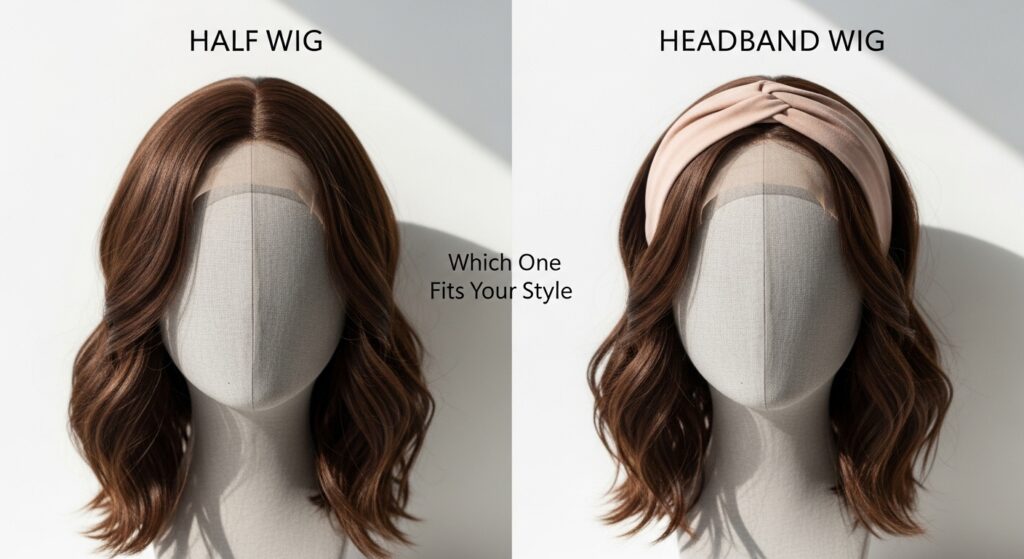
In the world of wigs, convenience, versatility, and natural appearance are key. Among the most popular options today are half wigs and headband wigs.
Both are great choices for beginners and everyday wear, offering quick styling and a natural look. However, they differ in structure, application, and styling flexibility. If you’re considering adding one (or both!) to your hair collection, here’s a complete comparison to help you decide.
What is a Half Wig?
A half wig is a type of wig that covers the back and top portion of your head, starting a few inches behind your hairline. It’s designed to be worn with some of your natural hair left out in the front to blend with the wig. Half wigs usually come with combs or adjustable bands for easy installation.
Key Features of Half Wigs:
- Requires blending with your natural hair at the front.
- Offers a very natural finish when matched with your texture.
- Can be styled with headbands, scarves, or hair accessories.
- Great for adding volume and length.
Pros:
- Natural-looking when properly blended.
- Beginner-friendly with no glue or lace.
- Affordable and easy to install.
- Versatile in styling (ponytails, buns, etc.).
Cons:
- Requires heat styling or manipulation of your leave-out.
- Not ideal for people with thinning edges or short front hair.
What is a Headband Wig?
A headband wig is a type of wig that is attached to a soft headband, making it one of the easiest wigs to wear. It requires no lace, no glue, and no leave-out. The headband serves as the hairline, so there’s no need to blend your natural hair.
Key Features of Headband Wigs:
- Attached to a stretchy, comfortable headband.
- Worn by sliding it on and securing it with adjustable straps or combs.
- No lace or leave-out required.
- Comes in various textures, lengths, and colors.
Pros:
- Extremely beginner-friendly and quick to wear—literally “wear and go.”
- No glue, no lace, no hassle.
- Gentle on natural hair and scalp.
- Great for protective styling.
- Can change up the look by switching headbands.
Cons:
- Less realistic hairline if you don’t show any of your natural hair.
- Styling is more limited to down styles and low ponytails.
Half Wig vs. Headband Wig: Key Differences
| Feature | Half Wig | Headband Wig |
| Leave-Out Required | Yes (front hair) | Optional (can leave none out) |
| Hairline Appearance | Natural if blended well | Covered by a headband |
| Ease of Use | Easy | Very easy (best for beginners) |
| Styling Options | More styling flexibility | Slightly limited |
| Time to Install | 5–10 minutes | 1–2 minutes |
Which Wig Is Right for You?
- Choose a Half Wig if:
- You want a fuller, more customizable hairstyle.
You’re comfortable blending your hair with the wig.
- You’re aiming for a very natural look.
- You want a fuller, more customizable hairstyle.
- Choose a Headband Wig if:
- You need something quick and easy.
You want a protective style with no glue or lace.
- You’re a beginner or prefer minimal daily hair maintenance.
- You need something quick and easy.
Final Thoughts
Both half wigs and headband wigs offer stylish and convenient solutions for anyone looking to switch up their look without the commitment or complexity of traditional lace wigs. Whether you prefer the natural blend of a half wig or the quick simplicity of a headband wig, both options can help you look and feel fabulous in minutes.