Understanding Temperature Zoning Options with Modern Air Conditioners
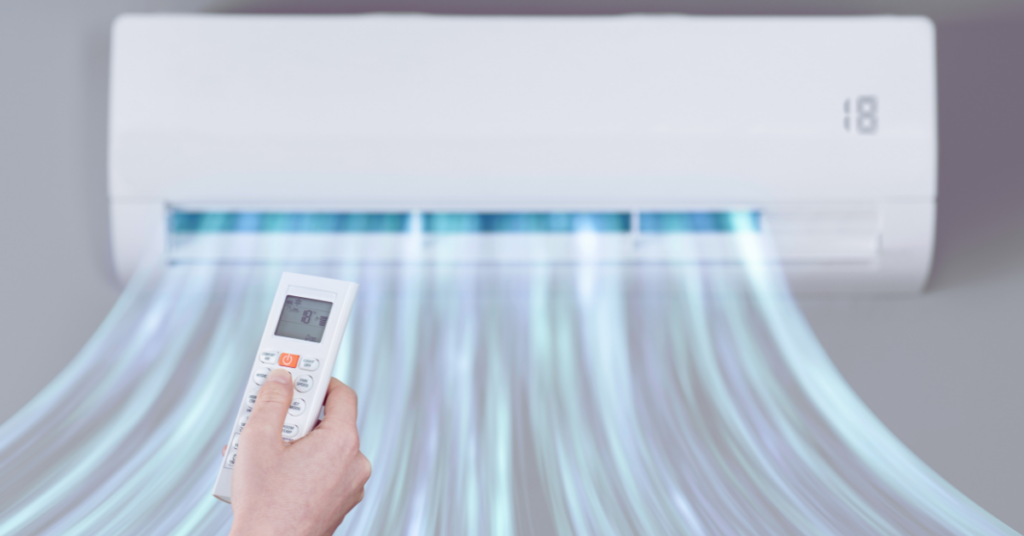
Temperature zoning is more than just a modern convenience; it’s a game-changer for energy-conscious homeowners looking to optimize comfort while saving on energy costs. Whether you’re a homeowner, an HVAC professional, or simply curious about smarter ways to control your home’s temperature, this guide offers insights to help you make the right decisions.
By the end of this blog, you’ll know how temperature zoning works, available system types, and practical tips for choosing, installing, and maintaining the ideal setup for your home.
What is Temperature Zoning, and Why Does it Matter?
Imagine having individual control over the temperature in different areas of your home. That’s temperature zoning. It’s a system that divides your home into various “zones,” allowing you to heat or cool them independently.
The Benefits of Temperature Zoning
- Energy Efficiency: Heating or cooling only occupied zones minimizes energy waste while lowering utility bills.
- Enhanced Comfort: Customize temperatures across bedrooms, living spaces, or offices to meet individual preferences.
- Reduced Wear on AC Systems: Running your HVAC system more strategically can extend its lifespan.
- Fits All Home Sizes: From compact spaces to sprawling homes, temperature zoning improves comfort and efficiency no matter the home size.
For those considering air conditioning installation in Adelaide, integrating temperature zoning with modern systems can optimize energy savings while achieving year-round comfort.
How Does Temperature Zoning Work?
Modern air conditioners equipped with zoning systems use motorized dampers and individual thermostats to manage airflow. These dampers are installed in the ductwork and regulate air into specific zones, based on instructions from individual thermostats or smart controls.
Many systems are even paired with mobile apps or smart home devices, providing remote access to regulate temperatures conveniently. This level of control ensures each family member can customize their comfort, even when they’re not home.
Key Components of a Zoning System
- Thermostats: Each zone gets its thermostat, which communicates with the central HVAC unit.
- Zone Control Panel: Acts as the brain of the zoning system by processing signals and directing dampers.
- Motorized Dampers: Installed within ductwork to control airflow to specific zones dynamically.
By exploring services such as air conditioning installation in Adelaide, you can work with qualified professionals like Dead Short Electrical to figure out which system fits your home’s layout and needs.
Types of Temperature Zoning Systems
Selecting the right zoning system depends on your home configuration and needs. Below are three common types often recommended by HVAC professionals.
1. Traditional Zoning Systems
These use mechanical dampers alongside a central HVAC unit. Thermostats placed in each zone signal the dampers to adjust airflow when required. They are ideal for homes with established ductwork.
2. Ductless Mini-Split Systems
Perfect for homes without ducts, these systems feature individual wall-mounted air handlers for each zone. They’re highly efficient and offer direct control over each area without the necessity of ductwork modifications.
3. Smart Zoning Systems
Integrated with modern smart home technology, these systems can be controlled remotely from apps or smart devices such as Alexa or Google Nest. They offer unparalleled customization and automation options.
Whether you select a traditional setup or upgrade to a smart zoning system, the team at Dead Short Electrical can guide you through the process.
Factors to Consider When Choosing a Temperature Zoning System
To determine the best fit for your home, keep these factors in mind:
1. Home Layout
Homes with open floor plans may require fewer zones than multilevel properties with many rooms.
2. Budget
While smart systems tend to come with higher upfront costs, they may save you more in the long run thanks to their advanced energy-saving capabilities.
3. System Compatibility
Ensure your current HVAC setup can support the zoning system you’re considering. Professional services specializing in air conditioning installation in Adelaide can assess whether upgrades or modifications are required.
4. Energy Goals
If reducing carbon emissions or lowering your energy expenditure is a priority, opt for highly efficient systems that meet these goals.
Installation and Maintenance Tips
Once you’ve chosen a zoning system that fits your needs, proper installation and maintenance become critical to enjoying its benefits.
Installation Tips
- Always consult a licensed HVAC technician or provider like Dead Short Electrical for proper planning and execution.
- Ensure the system suits your current HVAC configuration and energy requirements.
- Ask about adding smart controllers for better functionality.
Maintenance Tips
- Check and clean air vents regularly to ensure unobstructed airflow.
- Have the system professionally serviced once a year to prolong its lifespan.
- Replace thermostat batteries as needed to prevent disruptions.
A professional air conditioning installation in Adelaide goes hand-in-hand with efficient zoning to ensure your investment performs optimally.
Conclusion
With advancements in green energy and smart technology, the future of temperature zoning is looking even brighter. AI-powered zoning systems and predictive temperature control features will soon make these systems smarter and more efficient.
When preparing for air conditioning installation in Adelaide or exploring current heating and cooling options, don’t overlook the value of trusted partners like Dead Short Electrical. Their expertise ensures your home is equipped with cutting-edge zoning technology that delivers comfort, efficiency, and long-term savings.