7 Project Management Challenges PRINCE2 Helps You Conquer
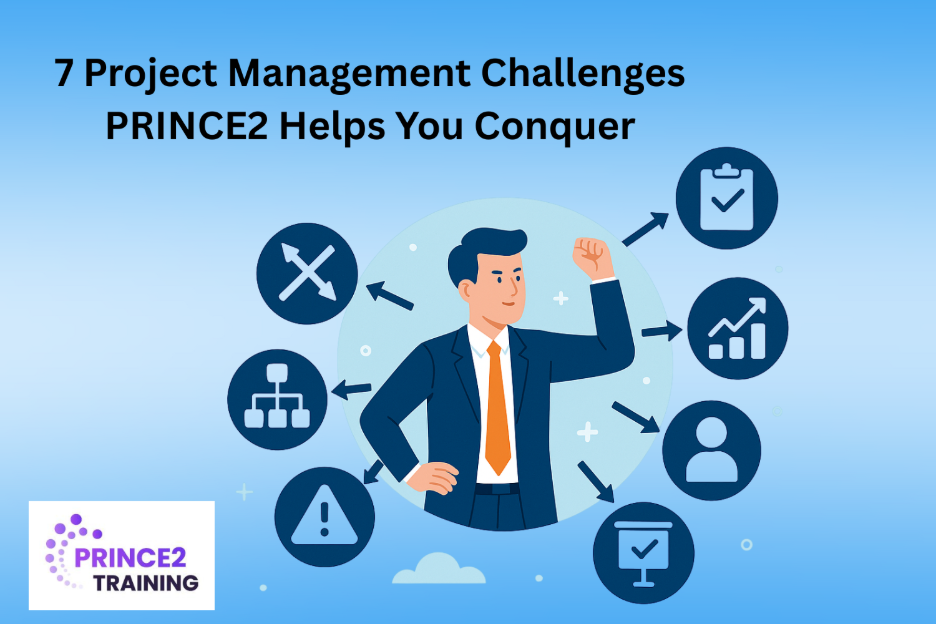
What makes project management so tricky is not the plan on paper but the unexpected hurdles along the way. From shifting priorities to unclear roles, challenges can derail progress fast. That’s where a PRINCE2 Course proves invaluable. It equips professionals with a structured framework to manage risks, set clear responsibilities, and maintain control at every stage.
In this blog, we’ll look at seven common project management challenges and explore how PRINCE2 provides the tools to overcome them with confidence.
1. PRINCE2 Governance That Builds Trust
Projects fail when roles blur. PRINCE2 fixes that with clear governance. It defines who directs, who manages, and who delivers. The project board owns the direction. The project manager runs the day to day plan. Team leads deliver products. Simple roles create faster choices and fewer clashes. Add a short communication plan so updates reach the right people at the right time. Leaders then see reliable status. Teams see fewer surprises. Trust grows because ownership is obvious and consistent.
2. PRINCE2 Business Case That Drives Value
Busy work is not the goal. Value is. PRINCE2 keeps a live business case from start to close. It asks three questions. Is this desirable. Is it viable. Is it achievable. You review the answers at each stage gate. If value fades, you stop or reshape. That protects budgets and energy. It also aligns with portfolio management and PMO expectations. Use plain measures such as customer time saved or cost avoided. When choices are tight, the business case breaks ties with facts not noise.
3. PRINCE2 Scope Control That Stops Creep
Scope creep hides in small requests. PRINCE2 uses product-based planning to make scope visible. You list products and quality notes before tasks. Everyone sees what good looks like. When a new need appears, you log it in change control, check impact, and decide with the board. That keeps the plan honest. Pair this with a tidy RAID log for risks, assumptions, issues, and decisions. The result is steady scope management without drama. Teams work on the right things. Sponsors know why dates move.
4. PRINCE2 Planning That Everyone Understands
Complex plans fail when people cannot read them. PRINCE2 keeps planning human. You break work into stages. You plan the next stage in detail and keep later stages light. Use a clean Gantt chart for time and a simple Kanban view for flow. Tie each task to a product and a quality check. Short daily reviews remove blockers early. Weekly updates show milestones and cost to date. This blend helps both agile and waterfall teams. It makes progress clear even when work is complex.
5. PRINCE2 Risk Management That Reduces Surprises
Uncertainty never sleeps. PRINCE2 treats risk as routine work. You create a small, living risk management approach. Identify the risk in plain words. Note the cause and effect. Assign an owner and a response. Avoid, reduce, share, or accept. Review weekly with the team. Escalate only what needs a board view. Link top risks to contingency and to stage boundaries. People relax when they see a path, a name, and a next step for each risk. Surprises shrink. Recovery speeds up.
6. PRINCE2 Stakeholder Engagement That Wins Support
Silence kills support. PRINCE2 maps stakeholder engagement from the start. You list who cares, what they need, and how often you will meet. Keep touch points short. Two minutes on progress. Two on risks. One on asks. Swap slides for a simple one page status with traffic lights and notes. Invite questions and log answers. Use demos and show and tell for complex work. When people feel heard, they help you clear roadblocks. Momentum builds because support is active, not assumed.
7. PRINCE2 Benefits Realisation That Proves Results
Delivery alone is not success. Outcomes matter. PRINCE2 links products to measurable benefits and assigns owners for each one. You track benefits during delivery and after handover. Early indicators include usage and cycle time. Later measures cover cost, quality, and satisfaction. Publish a short benefits report each month. When a benefit lags, try a small fix before a large one. This rhythm turns benefits realisation into a habit. Leaders see proof that the project made a difference that lasts.
Conclusion
PRINCE2 turns common project pain into clear habits that work. Governance defines decisions. The business case guards value. Scope stays honest. Plans stay readable. Risks are managed not feared. Stakeholders feel informed and involved. Benefits are tracked and proven. If you want structured learning with coaching that fits busy teams, PRINCE2 Training will help you apply these steps with confidence. Choose one habit from this blog today. Measure the change and share the win. Your next project will already feel easier.