What Computing Skills Does a Proofreader Need?
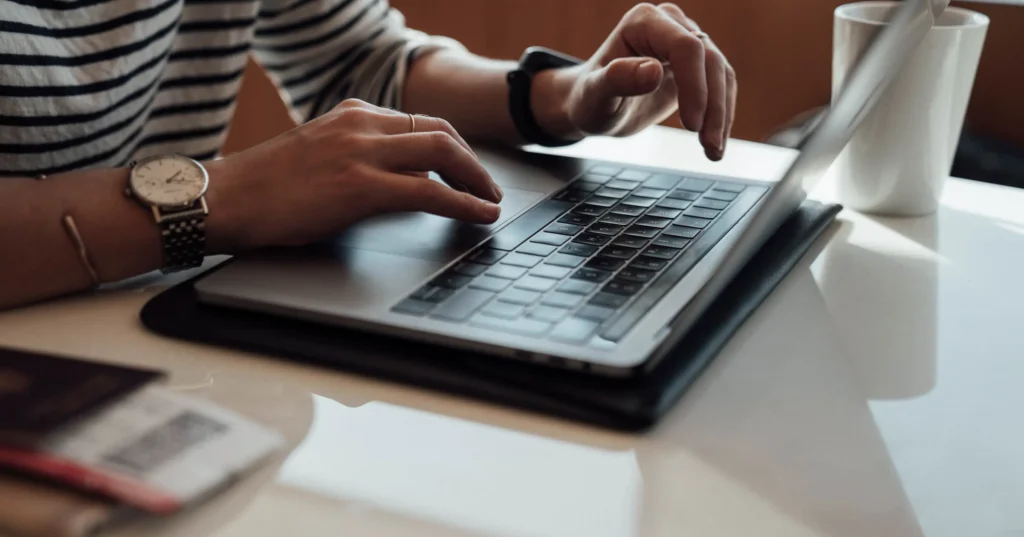
For a proofreader, the advent of information technology has broadened their jobs beyond just verifying written documents. The emergence of online content and digital publishing has ensured that a proofreader has adequate skills in computer usage to edit and review materials. Here are some of the essential proofreading skills you should have when working with files on a computer.
What Computing Skills Does a Proofreader Need?
Understanding of the Internals of Files and Folders Structures
By default, most people without the helping hand of a professional would only not delve into the inner workings of documents and folders. Files related to proofreading are almost always saved in digital drives, and a proofreader should consider themselves competent at finding files on laptops or personal computers. A more competent proofreader should know how to rename, copy, delete, or move files between folders, drives, and PCs.
Standard proofreaders will benefit from being proficient in tools such as Grammarly and ProWritingAid, as they can automatically detect and rectify a great number of grammar-related problems. These tools analyze punctuation usage, syntactic structures of sentences, and even stylistic errors. Getting accustomed to these tools will allow more time to be dedicated to thorough edits instead of more orthodox approaches to editing.
Managing and Categorizing Files
The majority of documents are electronically available today. Therefore, proofreaders must be highly organized. Knowing how to file information appropriately, especially in the context of handling multiple documents, can reduce clearer case of mix-up or ensure that the appropriate alterations are done in the right version. This includes controlling folders, file storage, and file types such as PDF, DOCX, and other texts.
Familiarity with Remote Work Tools
Team collaboration and communication with clients is easily undertaken with new innovation. Sharing information and making edits also requires knowledge of tools such as Google Drive, Dropbox, or other cloud services. Knowing the technique of making comments or suggesting edits is very important for effortless working together. If you are working with a remote team, editorial workflow tracking tools like Controlio can help you boost your productivity.
Basic Knowledge of HTML and CSS
Basic HTML (Hypertext Markup Languages) and CSS (Cascading Style Sheets) is a plus for those proofreaders who work in digital contents. Proofreaders do not require extensive understanding of the technical side, but knowing some simple HTML is certainly an advantage when dealing with online articles, blogs, or emails, which contain links and decorations like images.
Following Promotional Tools
Proofreaders using websites or materials meant for the internet should have knowledge of the accessibility aspects. Understanding how to use tools that make content consumable by people with disabilities—screen readers or alt text for photos—has become essential. This is particularly relevant while proofing websites or eBooks.
Marketing and Sociological Knowledge
Proofreaders who work with content in marketing sectors can profit from having basic knowledge of SEO (search engine optimization) and social media platforms. Articles have to be checked not only for grammar but also for adherence to SEO guidelines; keywords, meta tags, and even the title have to be controlled. Social media formats can also be helpful when proofreading posts for Facebook or Twitter.
Proofreading is no longer just about reading over paper manuscripts. As technology continues to evolve, proofreaders must adapt and embrace various computing skills to stay effective in their role. Mastering word processing software, understanding editing tools, managing files, and having basic HTML knowledge will help ensure success in the modern proofreading environment. By continuously learning and adapting to new technologies, proofreaders can work efficiently and produce high-quality content.






