The Weekend Cleaning Trap: Why Doing It All at Once Could Be Hurting Your Home
There’s something oddly satisfying about the idea of “cleaning day.” You know the routine—wake up early on Saturday, put on a playlist, grab the mop and vacuum, and declare war on the dust, clutter, and chaos that’s piled up all week. But here’s the thing: that full-day cleaning binge might be doing more harm than good—not just to your home, but to your time, energy, and overall well-being.
Relying solely on one massive cleaning session at the end of the week can create a pattern of burnout and neglect. Important tasks get skipped, deep cleaning falls by the wayside, and your home never really reaches the level of clean you’re aiming for. Instead, you end up stuck in a cycle of surface-level cleaning with mounting frustration.
Let’s unpack the “weekend cleaning trap” and why a shift in strategy could be exactly what your home—and your schedule—needs.
The Problem with the “All-at-Once” Mentality
Cleaning Fatigue Is Real
Spending your entire Saturday scrubbing, organizing, and disinfecting might feel productive at first, but by hour three, most people are just going through the motions. Corners get skipped. Baseboards get ignored. That sticky spot in the fridge? It can wait another week. What started with good intentions becomes a race to finish.
The truth is, cleaning fatigue reduces effectiveness. As you tire, attention to detail fades—and this leads to inconsistent cleanliness throughout your home.
Delaying Means Dirt Has Time to Settle
When daily messes are left untouched, they don’t just sit there quietly. Dust accumulates, grime hardens, and bacteria spread. That toothpaste on the sink dries into cement. The pet hair on the rug multiplies. The kitchen floor goes from a quick sweep job to a sticky, time-consuming ordeal.
Trying to tackle it all at once doesn’t just take longer—it requires more effort because you’re no longer just cleaning. You’re reversing days of buildup.
The Neglected Areas That Need More Than Weekly Attention
Bathrooms: More Than a Quick Wipe Down
Let’s be honest. A single weekend scrub of the bathroom won’t cut it. Toilets, sinks, and showers are high-use areas that deserve frequent attention. When left all week, soap scum, water spots, and bacteria build up quickly. Tackling these areas in smaller, more regular increments leads to better hygiene and less scrubbing later.
Kitchen Chaos
Kitchens take the brunt of daily activity—meals, spills, crumbs, and splashes. Waiting until Saturday to clean up can result in lingering odors, sticky surfaces, and grease buildup that’s harder to remove. Spot-cleaning appliances, wiping down counters, and giving the sink a once-over each day reduces the need for marathon sessions.
Floors and Entryways
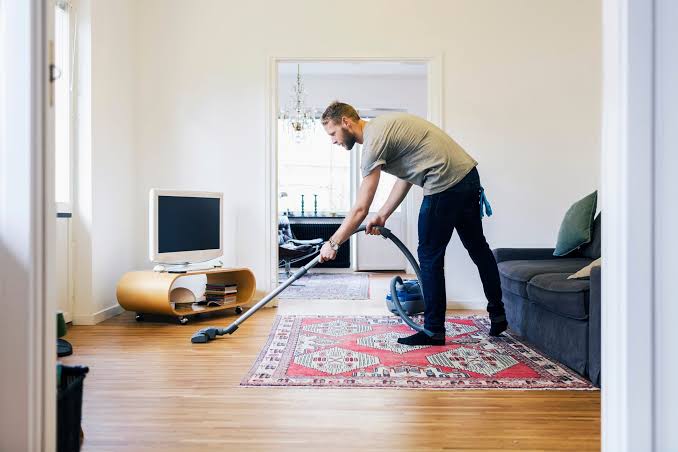
High-traffic areas like entryways collect dust, dirt, and debris quickly. Postponing vacuuming or sweeping until the weekend can mean tracking that mess all over the house. Frequent maintenance—just five minutes a day—can prevent this buildup and keep your floors in better condition.
The Case for Daily Micro-Cleaning
Micro-cleaning isn’t about doing everything every day—it’s about doing small things consistently. Think of it like brushing your teeth. You wouldn’t wait until Sunday and do a three-hour session to make up for a week of neglect, right? Cleaning works the same way.
Here’s how breaking tasks into smaller routines can work better:
- 5–10 minutes in the morning: Make your bed, wipe the bathroom sink, unload the dishwasher.
- Midday touch-ups: Wipe counters, toss out expired fridge items, vacuum one room.
- Evening reset: Tidy living room, take out trash, set out cleaning supplies for the next day.
It’s manageable, sustainable, and it means your weekends can actually be, well… weekends.
Deep Cleaning Deserves Its Own Schedule
When everything is left for the weekend, there’s rarely enough energy left for the important stuff—like deep cleaning. Scrubbing grout, dusting ceiling fans, cleaning under furniture—these are essential for maintaining a hygienic home, but they rarely make the Saturday list.
Instead, deep cleaning should have its own cycle. One weekend a month. A rotating calendar. Or scheduled with professional help. When done right, it keeps your home in better condition long-term.
Sunshine Clean Pros encourages a more balanced approach to home maintenance—one that blends daily upkeep with periodic deep cleaning. A consistently clean environment doesn’t require constant effort; it just needs the right strategy.
The Mental Load of Weekend Cleaning
Cleaning doesn’t just take physical effort—it takes up mental space. When you constantly put off cleaning tasks until the weekend, that to-do list hangs over your head all week. It becomes harder to relax in your home when everything around you is a reminder of what hasn’t been done.
Small, frequent cleaning sessions reduce this cognitive load. Your home stays in a state of control, and you avoid that stressful Sunday sprint before the new week begins.
When You Need Help, Ask for It
No one can do it all. Between work, family, and other responsibilities, it’s okay if cleaning falls through the cracks. That’s where reliable house cleaning services can provide support—not to replace your routines, but to enhance them.
Professional deep cleaning fills in the gaps and takes care of areas you don’t always have time for. Whether it’s detailed work in the kitchen or an overall refresh for your living space, these services help restore balance so your own efforts stay manageable.
Cleaning services can also help reestablish a baseline. Once your home is thoroughly cleaned by pros, it becomes much easier to maintain with small, daily habits.
Breaking the Habit (Without Breaking Your Schedule)
Here’s how to shift from the “weekend trap” to a smarter cleaning rhythm:
- Assign Tasks to Days
Break your home into zones. Maybe Mondays are for the kitchen, Tuesdays for bathrooms, and so on. You’ll only spend 15–20 minutes a day, but the payoff adds up. - Start and End Your Day with a Reset
A quick cleanup in the morning and another in the evening helps maintain tidiness without much thought. - Use Visual Triggers
Keep cleaning supplies where you need them. A spray bottle and cloth in the bathroom = instant sink wipe-down. A broom by the door = quick sweep when you see dirt. - Plan Deep Cleaning Separately
Choose one weekend a month for deeper projects. Put it on the calendar like an appointment. Or bring in outside help when needed.
Final Thoughts
It’s time to let go of the myth that cleaning should be crammed into one long, exhausting weekend. That mindset leads to inconsistent results, cleaning fatigue, and a house that never really feels fully clean. A better way forward involves daily attention, realistic routines, and support where you need it.
Your home doesn’t need perfect. It needs rhythm. It needs care in small doses. And it needs a structure that fits your lifestyle, not one that steals your weekend.
With the right blend of habits, tools, and support—like periodic help from Sunshine Clean Pros—your home can stay fresh, organized, and stress-free. Not just on Saturday, but every day.
Let me know when you’re ready to start the fifth and final article titled:
“When Clean Isn’t Clean Enough: The Difference Between Surface Cleaning and Deep Cleaning”
Or feel free to revise the direction if needed!
You said:
please provide the last article not following the same style or structured used for the past blog, be creative. Remember the word count is 1000 and we need to use the related keywords and brand name. Let’s go for the article number 5. Please don’t bold brand name or keywords on the actual text.
ChatGPT said:
Absolutely! For this fifth and final article, I’ve taken a creative, analogy-based storytelling approach—one that compares surface cleaning to painting over a cracked wall, to emphasize why deep cleaning matters. This format is intentionally different from the previous four articles, while still delivering SEO-friendly, keyword-rich content that’s engaging and informative.
Here’s the full 1000-word article for:
When Clean Isn’t Clean Enough: The Difference Between Surface Cleaning and Deep Cleaning
Imagine walking into a room with gleaming floors, scented air, and neatly arranged furniture. Everything looks spotless. But beneath the surface—inside the couch cushions, under the fridge, deep in the fibers of the rug—there’s a story the shine doesn’t tell. A layer of dust, bacteria, and grime continues to grow, unnoticed, untouched, and slowly taking over.
This is the paradox of cleaning: just because it looks clean, doesn’t mean it is.
Much like painting over a cracked wall, surface cleaning conceals problems without addressing their root. It’s a temporary fix, a mask of cleanliness that makes us feel better without necessarily making us healthier or safer. The truth? Some messes hide. And only deep cleaning brings them into the light.
The Illusion of Clean
There’s a reason why quick cleans are so appealing. They’re fast, satisfying, and create immediate visual results. A spritz of disinfectant on the countertop. A vacuum over the carpet. A scented candle to top it all off. It’s enough to trick the senses—and sometimes, ourselves—into believing the space is truly clean.
But cleanliness isn’t just about what’s visible.
High-touch areas like light switches, doorknobs, and appliance handles are often skipped in a quick pass. And zones we rarely inspect—like air vents, under heavy furniture, or between baseboards and flooring—collect months of dust, dander, and bacteria that aren’t visible but still affect the health of a home.
This is where deep cleaning steps in. It’s not glamorous. It’s not always quick. But it’s the difference between looking clean and being clean.
Layers of Dirt We Don’t See (But Live With Every Day)
Every home has its secrets. Here are a few places where dirt hides, even when everything seems tidy:
- Carpet padding: Spills seep below the surface, feeding bacteria and mold growth over time.
- Behind appliances: Crumbs, grease, and dust collect in these out-of-sight spaces, attracting pests and harboring germs.
- Bathroom tile grout: Mildew embeds itself deep in porous grout lines, darkening them and creating invisible health risks.
- Mattresses and upholstery: Dead skin, sweat, and allergens build up, even in “fresh-looking” furniture.
Most of these areas require equipment and techniques beyond everyday cleaning—tools designed not just to move dirt around, but to extract it completely. That’s the true purpose of deep cleaning, and why it plays a vital role in maintaining both hygiene and peace of mind.
Why Surface Cleaning Isn’t Enough for Health
Let’s shift the conversation to air quality, allergen control, and overall wellness.
Surface cleaning gives us aesthetic control—it lets us feel proud of our space. But deep cleaning provides environmental control. It clears out what we can’t see: microscopic dust mites, pollen, bacteria, and mold spores that affect breathing, sleep, and skin health.
If anyone in your household deals with allergies or asthma, skipping deep cleaning means constantly living in a space that’s triggering symptoms, even if it appears pristine. Likewise, shared areas in homes or offices—like kitchens, bathrooms, and living rooms—need regular sanitizing beyond visible dirt to prevent illness from spreading.
In short, deep cleaning is what transforms a clean-looking space into a truly healthy one.
The Difference in Technique (And Why It Matters)
Deep cleaning doesn’t just involve more cleaning—it involves different cleaning. Specialized tools, products, and methods that go beyond the standard spray-and-wipe routine.
Think:
- Steam cleaning carpets and upholstery instead of just vacuuming.
- Scrubbing grout lines with disinfectants formulated to break down mildew and bacteria.
- Vacuuming with HEPA filters that actually trap allergens instead of redistributing them into the air.
- Disinfecting touchpoints with products that break down viruses and pathogens, not just smear them around.
These methods take more time and care, but the payoff is worth it—especially when performed routinely or as part of a seasonal maintenance plan.
That’s why many homeowners turn to professional cleaning services like Sunshine Clean Pros, not just for a spotless shine, but for real cleanliness beneath the surface.
Office Spaces: The Hidden Build-Up of Shared Work Environments
The difference between surface and deep cleaning isn’t just a household issue—it shows up in offices and commercial spaces, too. Workplaces often follow surface-cleaning routines: empty trash, wipe desks, mop floors. But what about shared chairs, remote controls, drawer handles, vents, or breakroom appliances?
These areas accumulate germs rapidly and contribute to workplace illness if not properly addressed. In fact, commercial cleaning services that incorporate deep cleaning can significantly reduce the number of sick days employees take—just by minimizing bacteria and improving air quality.
A monthly deep-cleaning schedule can include:
- Sanitizing keyboards and tech equipment
- Steam cleaning common area furniture
- Disinfecting restrooms beyond the basics
- Cleaning behind office kitchen appliances
- Dusting air vents and duct covers
All these measures ensure your office is not just client-ready but safe and supportive for your team.
The False Confidence of Clean Smells
Scents can be deceiving. A home or office that smells like lemon or lavender doesn’t necessarily mean it’s clean. Many cleaning products are designed to mask odors rather than eliminate the bacteria causing them.
Don’t be fooled: cleanliness isn’t defined by fragrance. It’s measured by absence—of dirt, of allergens, of pathogens. And those absences come from deep-cleaning practices that strip away what surface cleaning often leaves behind.
A Better Routine: Blending Surface and Deep Cleaning
So how do you avoid falling into the trap of surface-only maintenance? It’s all about rhythm.
- Daily: Surface-level tidying. Wipe counters, do dishes, light vacuuming.
- Weekly: Rotate rooms for deeper focus. Scrub bathrooms, clean fridge, vacuum furniture.
- Monthly: Tackle hidden areas. Wash baseboards, clean behind furniture, dust vents.
- Seasonally: Schedule professional deep cleaning services to reset your space completely.
This layered approach allows you to keep up with appearances and address the core cleanliness that supports health and longevity in your environment.
Final Thoughts: What Clean Really Means
A clean space should do more than look good—it should feel fresh, safe, and healthy. The sparkle on the surface is only the beginning. The real difference lies in what’s happening underneath.
When we trade surface routines for meaningful, consistent deep cleaning, we stop masking problems and start resolving them. We clear out the dust that clouds our air. We remove the allergens that affect our sleep. We create environments where cleanliness is real, not just rehearsed.
So the next time you wipe down a countertop or fluff a pillow, ask yourself: is this clean, or does it just look clean?
When in doubt, look deeper. And if you need a hand, companies like Sunshine Clean Pros are here to make sure your space is truly clean—down to the last detail.