The Hidden Costs of Skipping HVAC Maintenance: Why Prevention Pays Off
Introduction
It’s easy to take a well-functioning HVAC system for granted—until it suddenly isn’t. Skipping routine maintenance may seem harmless in the short term, especially when everything appears to be running smoothly. But beneath the surface, small issues can quietly build up into serious problems.
Neglected systems work harder, consume more energy, and are more likely to break down at the worst possible time. What many homeowners don’t realize is that avoiding simple tasks like filter changes or annual check-ups can cost far more in the long run than regular maintenance ever would.
If you’re aiming to protect your investment, avoid emergency furnace repair or surprise AC repair bills, and keep your home comfortable year-round, working with a trusted HVAC contractor for preventative service is one of the smartest decisions you can make. Let’s explore why.
1. Increased Energy Bills That Add Up Over Time
When HVAC systems aren’t properly maintained, they lose efficiency. Dirty filters, clogged coils, and poorly lubricated parts force the unit to work harder than necessary to achieve the same level of comfort. This means longer run times and greater energy consumption.
What begins as a 5% drop in efficiency can grow significantly over months of inattention. As a result, utility bills rise steadily—often without the homeowner even noticing the connection.
Skipping maintenance also affects system calibration. A misaligned thermostat or imbalanced airflow leads to temperature inconsistencies, triggering more frequent cycling and even more wasted energy.
2. Shortened Equipment Lifespan
HVAC systems are built to last—if they’re properly cared for. Without regular cleaning, inspection, and tune-ups, even newer systems can wear down faster than expected.
Heat pumps and air conditioners, for example, rely on components like compressors, fan motors, and condenser coils to operate efficiently. Neglecting these parts causes them to overheat or corrode. Furnaces, on the other hand, suffer from cracked heat exchangers or ignition failures when not properly maintained.
Most systems are designed to operate for 10 to 15 years or more, but lack of attention can shave off several years. Replacing a system prematurely due to avoidable wear is one of the most expensive consequences of skipping routine HVAC maintenance.
3. Unexpected Breakdown Costs
Emergency repairs are often significantly more expensive than routine maintenance. When a system fails on a hot summer day or during a cold snap, homeowners are forced into quick decisions—and often pay premium rates for same-day furnace repair or AC repair.
The cost of emergency service may include:
- After-hours labor charges
- Rush shipping for specialty parts
- Temporary heating or cooling units while repairs are scheduled
Many of these situations stem from small, preventable issues like worn belts, dirty burners, low refrigerant levels, or faulty capacitors. Catching these problems early is far less costly than addressing them after a full system failure.
4. Warranty Voids and Missed Coverage
Most heating and cooling systems come with manufacturer warranties that cover major components for a set number of years. However, these warranties often come with a condition: proof of regular maintenance.
Skipping routine service or failing to document it can void the warranty altogether, leaving homeowners fully responsible for the cost of repairs or part replacements—even for newer systems.
A qualified HVAC contractor typically keeps a record of service history, which can serve as proof if a warranty claim is needed. Maintaining this relationship not only protects your system but also ensures you retain coverage when you need it most.
5. Poor Indoor Air Quality
HVAC systems don’t just regulate temperature—they also circulate air. Without maintenance, dust, pollen, mold spores, and other contaminants can build up in ducts, filters, and coils, gradually reducing indoor air quality.
Dirty systems are less effective at capturing airborne particles, leading to increased allergy symptoms, respiratory issues, and overall discomfort in the home.
Signs of declining air quality may include:
- Musty or stale odors when the system runs
- Dust buildup on vents and surfaces
- More frequent sneezing, coughing, or irritated eyes indoors
Maintaining clean filters, inspecting ductwork, and addressing moisture concerns are all part of a proper HVAC maintenance plan—and all contribute to a healthier indoor environment.
6. Missed Opportunities for Efficiency Upgrades
HVAC technology is evolving, and modern systems offer a range of features that improve efficiency, comfort, and long-term savings. Homeowners who maintain regular contact with a professional HVAC contractor are more likely to be informed about these upgrades.
For example:
- Smart thermostats that adjust automatically based on occupancy
- Variable-speed motors that use less energy during partial loads
- Zoning systems that allow for targeted heating and cooling
Without regular service visits, many homeowners miss the chance to incorporate these upgrades incrementally—leading to higher operating costs and less control over their home’s climate.
7. Seasonal Stress That Could Be Avoided
HVAC breakdowns never happen at convenient times. Peak summer and winter seasons are when systems are under the most strain—and when service calls are hardest to schedule due to high demand.
Without routine checks in the off-season, homeowners run the risk of being caught unprepared. For instance:
- A furnace that fails during the first cold snap
- An AC unit that won’t start on the first 90-degree day
- Thermostats that malfunction after sitting idle all season
Scheduling preventative maintenance before peak seasons reduces the chance of urgent repairs and ensures your system is ready when you need it most.
The Role of a Trusted HVAC Contractor
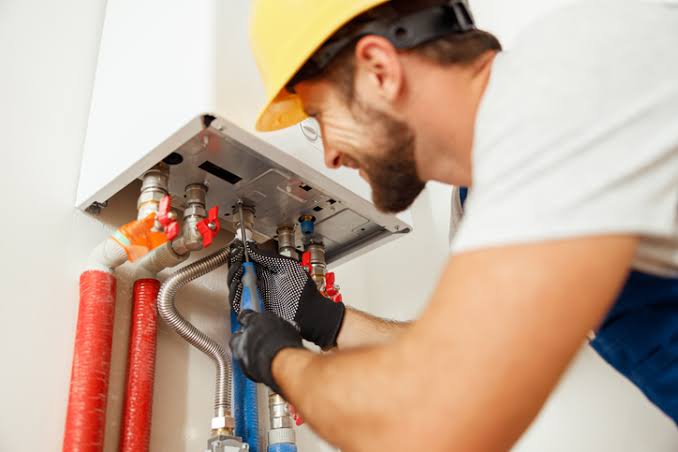
Partnering with a reliable HVAC contractor is essential for developing a preventative care plan that works for your home. Rather than reacting to problems, a qualified professional helps anticipate issues and create a long-term maintenance schedule.
Companies like Wes’s Heating & Cooling are experienced in furnace repair, AC repair, and energy-efficient system maintenance. By working with a professional you trust, you ensure that your HVAC system receives consistent, expert care—saving you money and avoiding unnecessary stress.
Conclusion
Skipping HVAC maintenance may save time in the moment, but it almost always costs more in the end. From rising energy bills and emergency repairs to reduced air quality and system lifespan, the hidden consequences of neglect add up quickly.
The good news is that most of these issues are entirely preventable. With the help of a knowledgeable HVAC contractor, homeowners can stay ahead of problems, optimize system performance, and enjoy peace of mind all year long.
Don’t wait for a breakdown to realize the value of maintenance—invest in prevention now, and your HVAC system will pay you back with comfort, efficiency, and reliability for years to come.