What’s Really on a Roof? Understanding Layers, Materials, and What They Do
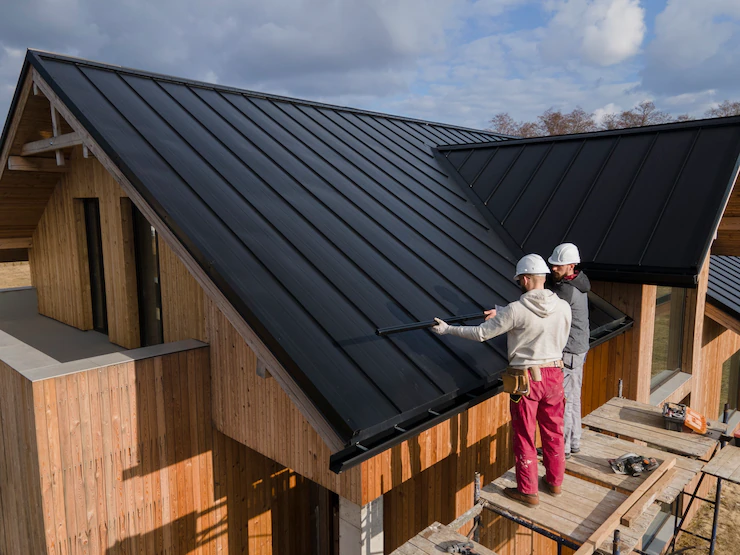
To the average person standing on the ground, a roof is a single surface. It’s the shingles you see from the street, the slope that drains rain and catches sunlight. But if you’ve ever peeled back the layers of a roofing system—even conceptually—you’ll realize that what protects your home is more complex than it appears.
Modern roofing is a carefully constructed system of multiple components, each one playing a critical role in keeping your home dry, insulated, and structurally sound. Miss a layer—or install the wrong material in the wrong place—and the whole system becomes vulnerable.
So, what’s really in a roof? Let’s take a layer-by-layer look, from the visible shingles to the hidden structures beneath them, and understand how each part does its job.
1. The Shingles: Your Roof’s First Impression
Let’s begin where everyone does—the top layer. Shingles are your roof’s outermost defense against sun, wind, rain, and hail. They also dictate the look of your home from the street.
What they do:
- Repel water
- Reflect UV rays (if rated for solar deflection)
- Provide a durable surface against weather impact
Common materials include asphalt (most popular), wood shakes, metal panels, and slate tiles. While style and color matter, shingles are only as effective as the support beneath them.
2. Underlayment: The Waterproof Shield
Beneath your shingles lies a protective membrane known as underlayment. This is your first true water barrier. When shingles shift, lift, or become damaged, underlayment is the last defense before moisture hits wood.
Two main types:
- Felt (tar paper): Older standard, less resistant to heat and moisture
- Synthetic underlayment: Lightweight, tear-resistant, and designed for better water shedding
In areas prone to ice or heavy rain, underlayment is not optional—it’s your roof’s backup plan when things go wrong.
3. Ice and Water Shield: Guarding the Vulnerable Zones
While underlayment is used across most of the roof, ice and water shield is applied in targeted areas:
- Eaves
- Valleys
- Around chimneys and skylights
- Near roof penetrations (vents, exhaust fans)
This material is rubberized, adhesive, and self-sealing—designed to stop water from sneaking in at known weak points. If you’ve ever had an ice dam or a leak near a dormer, lack of proper ice shield is often the culprit.
4. Roof Decking: The Structural Base
All the layers above sit atop the roof decking, which is typically plywood or OSB (oriented strand board). This is the flat surface that gives shape and strength to your roof.
Why it matters:
- Supports all roofing materials
- Transfers load (like snow or wind) to the framing
- Must remain dry to retain strength and prevent mold or rot
Any damage to the decking—such as from leaks or poor ventilation—requires immediate repair before new shingles are installed. Covering up bad decking leads to sagging roofs and failed inspections down the line.
5. Flashing: Invisible but Essential
Flashing is a thin sheet of metal—often aluminum or galvanized steel—used where different roofing elements meet. Think valleys, vents, and wall intersections.
What flashing does:
- Redirects water away from vulnerable joints
- Prevents moisture from seeping between seams
- Keeps water from running behind gutters or down inside walls
Improper flashing installation is one of the leading causes of roof leaks. It’s not something homeowners typically see, but it has a major impact on the long-term integrity of the system.
6. Ventilation: Airflow That Saves the Roof
Attic ventilation is the unsung hero of healthy roofing. It helps regulate moisture and heat buildup beneath the shingles, preventing problems like:
- Mold growth in the attic
- Ice dams in winter
- Premature shingle aging in summer
There are two main types:
- Intake vents (usually at the soffits)
- Exhaust vents (ridge vents, gable vents, or turbines)
A balanced system keeps airflow moving smoothly from bottom to top. Without it, insulation gets damp, wood begins to degrade, and cooling costs skyrocket.
7. Drip Edge: Guiding Water the Right Way
Often overlooked, drip edge is a metal flashing installed along the eaves and rakes. It’s what directs water into the gutters instead of behind the siding or fascia.
If you’ve ever noticed water staining behind a gutter or peeling paint on the fascia board, missing drip edge could be the reason. This small strip does big work—guiding runoff exactly where it belongs.
8. Gutters: The Final Link in the Chain
Once water rolls off the roof, it needs to go somewhere—safely. That’s where gutters complete the system. Their job isn’t just to catch water, but to carry it away from the foundation and landscaping.
When gutters clog, sag, or overflow, water backs up under the roof edge or splashes against siding. This turns a functioning roof into a source of leaks and damage.
Good roof design always accounts for proper gutter placement, downspout location, and sufficient pitch to avoid pooling. Without gutters working in sync, the roof’s water-shedding purpose falls short.
Integration: Why It All Has to Work Together
The layers above aren’t optional extras—they’re interdependent parts of a complete system. You can have top-tier shingles, but if your flashing is off or your decking is weak, the system will fail.
That’s why a reputable roofing company in Dayton focuses on whole-roof solutions rather than partial patch jobs. Repairing or replacing one element often involves evaluating several others to ensure alignment, durability, and code compliance.
When Layers Go Missing
Many roofing issues stem from corners being cut during previous repairs or installations. If even one layer is left out—or the wrong material is used—you’ll eventually see:
- Leaks during wind-driven rain
- Shingle blow-offs
- Ventilation-related mold
- Rotting fascia boards from improper drainage
It may not happen overnight, but small flaws turn into expensive problems as weather, time, and heat do their work.
Final Thoughts: Know What’s Over Your Head
Roofing isn’t a single decision—it’s a series of choices, each affecting how well your home stands up to the elements. From the shiny surface to the hidden seams and airflow, every layer matters.
The next time you look at your roof, try to picture the layers underneath. Better yet, ask what’s really protecting your home—and make sure each part is pulling its weight.
Because what’s keeping you dry, warm, and secure? It’s not just shingles—it’s a system.