Don’t Ignore the Edges: Why Flashing, Fascia, and Soffits Are Just as Important as Shingles
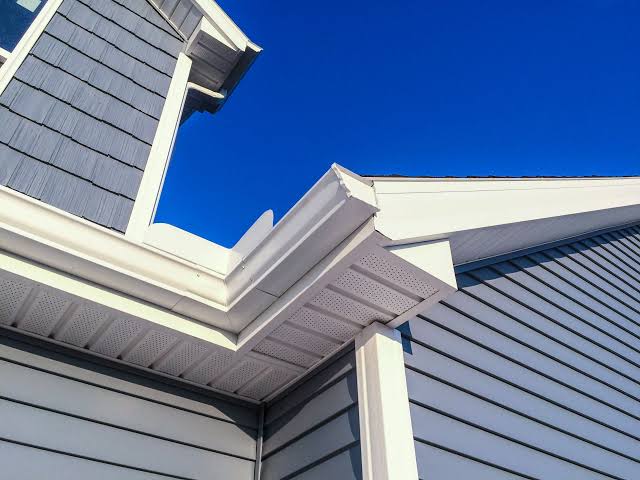
There’s a reason most people notice a roof only when something goes wrong. After all, it’s easy to admire a beautiful shingle pattern or sleek metal finish from the driveway—but the supporting cast around it? That often goes unseen.
Until it doesn’t.
If you’ve ever wondered why your gutter overflows in light rain, why the corners of your attic feel suspiciously damp, or why your beautifully replaced shingles haven’t stopped that one stubborn leak—there’s a good chance the answer lies not with your shingles, but with your roof’s edges.
Let’s step off the spotlight and into the shadows to explore the unsung heroes of residential roofing: flashing, fascia, and soffits.
The Story Beneath the Surface
Picture this: a homeowner replaces their aging shingles with top-of-the-line architectural options. Everything looks perfect from the street. But three months later, a leak develops—not in the middle of the roof, but near the chimney. What happened?
Shingles protect your roof’s field, but flashing protects its weak spots. Fascia and soffits manage the perimeter, airflow, and water flow. When these components are ignored, even the most high-end roofing materials can’t hold the line.
That’s why understanding your roof means looking beyond the obvious.
1. Flashing: The Leak Bouncer
Flashing is the thin metal (often aluminum or galvanized steel) that seals roof joints—those areas where the roof surface meets walls, chimneys, skylights, or valleys. It’s designed to redirect water away from seams and vulnerable intersections.
Why it matters:
- Poorly installed or corroded flashing is a leading cause of leaks.
- It can be easily missed during rushed roof repair projects.
- Even a small gap in flashing can allow water to travel far before it shows up inside.
Signs of trouble:
- Stains near the fireplace or chimney
- Water pooling near roof valleys
- Dripping after heavy but not prolonged rain
Smart homeowners and facility managers always ask their roofing company if flashing is inspected—and replaced when needed—during any major project.
2. Fascia: The Edge Protector
Fascia boards run horizontally beneath the edge of your roof, usually supporting the bottom row of shingles and the gutter system. Often painted and matched to trim, they’re one of the few edge elements visible from the ground.
But they’re more than decorative.
Fascia boards:
- Protect the ends of your rafters from moisture
- Anchor your gutters in place
- Help seal the roof’s perimeter
When fascia rots or warps—often due to gutter overflow or ice damming—it compromises the roof’s edge, leading to water intrusion, gutter failure, and eventual rafter damage.
What to watch for:
- Sagging gutters
- Cracked or peeling paint along the roofline
- Fascia pulling away from the roof structure
These visual signs may be small now, but the damage behind them can grow quickly.
3. Soffits: The Airflow Engineers
Soffits are the underside panels beneath your roof’s overhang. You probably don’t notice them unless you’re standing directly under the eaves. But they quietly perform two essential roles.
Soffits:
- Ventilate the attic by allowing air into the system, reducing heat and humidity
- Protect rafters from pests, water, and wind intrusion
Without proper soffit ventilation, your attic can become a trap for moisture—especially in humid or warm climates. This leads to mold, structural damage, and reduced shingle life due to heat buildup.
Signs your soffits need attention:
- Poor attic ventilation or frequent overheating
- Moldy smells or visible mildew around the eaves
- Pest activity or nesting in the roofline
Whether made of wood, vinyl, or aluminum, soffits should be clear of blockages, cracks, or rot.
4. The Chain Reaction of Neglect
When edge components fail, the effects ripple throughout the entire roof system.
Here’s how it plays out:
- A clogged soffit restricts attic ventilation → heat builds → shingles age prematurely
- Damaged fascia lets water into the rafter tails → structural rot sets in
- Faulty flashing allows seepage behind walls → insulation becomes saturated
It’s a domino effect. What looks like a minor issue in a corner can result in widespread damage that only becomes visible when it’s costly to fix.
That’s why comprehensive inspections should always include perimeter components—not just the field of the roof.
5. Why Edges Are Often Overlooked
When a roof repair or roof replacement is scheduled, attention typically goes to surface materials and underlayment. If the fascia and soffits “look okay,” they might not be flagged unless they’re clearly deteriorating.
But even experienced contractors may underemphasize these components unless prompted. Budget limitations or a homeowner’s focus on curb appeal can also shift attention away from critical (but less glamorous) elements.
A reputable roofing company should explain how these systems interact—and give honest recommendations, even when it means rethinking the original plan.
What You Can Do Now
You don’t need to climb on your roof to evaluate its health. Here’s how to spot edge issues from the ground:
- Walk around your home or building and look for signs of wood rot or discoloration near gutters.
- Check your attic for signs of moisture, mold, or excessive heat.
- Look for paint that peels from the roofline sooner than other areas of the home.
- Listen for drips after rain—especially around walls, ceilings, and chimneys.
These subtle signs can tell you that it’s time to schedule a full inspection.
And if you’re planning a roof replacement soon, make sure your contractor includes a detailed evaluation of the perimeter systems—not just the shingles and flashing. These edge components should be upgraded with the same care and consideration as the rest of the project.
Final Thoughts: Respect the Perimeter
It’s easy to focus on the obvious when it comes to roofing. But the systems that sit quietly at the edges are just as critical as what’s on top. Flashing, fascia, and soffits are your roof’s unsung protectors—guiding water, air, and debris where they need to go and ensuring the longevity of the entire structure.
So next time you admire a roof from the street, don’t stop at the shingles. The story continues at the corners—and those details can make all the difference.
When in doubt, work with contractors like Pineapple Roofing who see the whole system, not just the surface. Because great roofs are built from the edge in.