More Than Storage: What Custom Cabinets Reveal About Modern Kitchen Culture
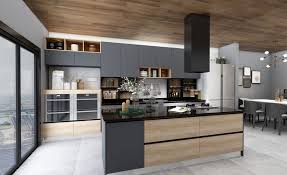
For decades, the kitchen was treated as a utilitarian zone—an area hidden from guests, reserved for chores, and built purely for function. But today, the kitchen sits at the center of the home’s social and design narrative. It’s where people gather, cook, converse, and create memories. And one of the clearest reflections of this shift is the rise of custom cabinets.
Far from being just storage units, custom kitchen cabinets have become a symbol of how modern homeowners view time, space, and quality. They show a desire for control, creativity, and intentional living—a move away from cookie-cutter solutions toward spaces that serve both form and function.
Cabinets as a Cultural Lens
Modern kitchen design is a mirror of modern lifestyle. As people spend more time at home and place higher value on wellness, sustainability, and personalization, their expectations for what a kitchen should do—and how it should feel—have grown exponentially.
Cabinets are no longer just about where dishes go. They’re about making a morning routine more peaceful, meal prep more efficient, and the home’s aesthetic more cohesive. In many ways, choosing custom cabinets signals a larger cultural value: the belief that design should enhance everyday life.
From color schemes and materials to clever organizational elements, today’s kitchen cabinets reveal the evolving priorities of modern living.
Prioritizing Experience Over Trends
Trendy finishes and viral designs may look great in a magazine spread, but homeowners are increasingly asking how their kitchens perform day to day. It’s not enough for a space to look stylish—it must also support the daily rituals of life, from weekday breakfasts to weekend dinner parties.
This is where custom cabinets come in. They allow for layouts that are deeply personal and practical. A drawer designed for coffee mugs right below the coffee machine. Open shelving for a cook’s frequently used ingredients. Deep, sturdy drawers to store cast iron pans without strain.
These aren’t just design flourishes—they’re reflections of how people live. The move toward custom cabinetry highlights the growing importance of mindful functionality in interior spaces.
Embracing Authentic Materials
Another defining trend in kitchen culture is the return to authenticity in materials. Homeowners want cabinetry that feels real—woods with grain, finishes that wear with dignity, hardware that’s tactile and timeless.
Custom cabinets make it possible to select these materials and finishes carefully. Whether it’s walnut, maple, or a hand-rubbed stain, each choice contributes to a story of craftsmanship and character.
And it’s not just about looks. These materials last. They hold up to daily use, clean easily, and age well—key qualities in spaces where durability matters as much as design.
This commitment to quality reflects a broader consumer movement: a shift away from fast, disposable goods toward items that are built to last. Choosing custom kitchen cabinets is often part of a wider home philosophy centered around sustainability and longevity.
The Decluttered Aesthetic
The clean, minimalist kitchen is more than a design trend—it’s a reflection of the mental clarity people are craving. As the pace of life quickens and homes become sanctuaries from the noise, clutter is no longer acceptable. Custom cabinets respond to this need with purpose.
Instead of the traditional cabinet-and-countertop model, many kitchens now feature concealed storage, appliance garages, and drawer systems designed to eliminate visual noise. With a place for everything, countertops stay clear, and surfaces remain calm.
This emphasis on organization and mental clarity has become a driving force in cabinet design. Deep pull-out drawers, vertical tray storage, corner pull-outs, and integrated waste systems are all common features—turning storage into a seamless, silent assistant in daily life.
Blurring the Line Between Furniture and Function
As open-concept homes become the norm, kitchen cabinetry is increasingly expected to blend with adjacent living spaces. This has pushed custom cabinet design into new territory, where cabinets are no longer rigid, boxy frames but rather architectural statements.
More kitchens feature cabinetry that resembles furniture—with legs, trim details, and finishes that match built-ins or shelving in other rooms. Islands often double as dining tables or desks. Pantry cabinets look like armoires. The result is a kitchen that feels fully integrated into the home, rather than cordoned off from it.
This new aesthetic standard has made custom cabinets the preferred choice for homeowners seeking cohesion across their spaces. It’s not just about what’s inside the cabinets anymore—it’s about how they live in the room.
Customization as a Form of Identity
In a world of mass production, customization has become a luxury—not just in price, but in the sense of identity it provides. When you design a kitchen that reflects your tastes, routines, and values, you’re making a statement about what matters most to you.
That’s part of the appeal of custom kitchen cabinets. They allow people to express themselves through the layout of their space, the finishes they choose, and the organizational features that make their daily lives easier.
Whether you’re a minimalist who wants invisible handles and flat-panel doors or a traditionalist who prefers glass-front cabinets and classic moldings, custom cabinetry adapts to your vision. The kitchen becomes not just a room, but a reflection of you.
The Brand That Understands the Culture Shift
As more people lean into these values—quality over quantity, design over default—companies like Reza Custom Cabinet & Vanity are stepping up to meet that demand. Their approach to cabinetry is aligned with what homeowners are really seeking: thoughtful, lasting solutions that elevate both function and form.
Future-Proofing Through Flexibility
Another element that’s defining kitchen culture today is adaptability. Families grow, schedules change, and needs evolve. Custom cabinets offer the flexibility to adjust with time.
Movable shelves, modular inserts, and soft-close hardware allow for tweaks down the road. Unlike fixed cabinets that are hard to reconfigure or expand, custom systems are often designed with change in mind. This adaptability helps future-proof the kitchen, ensuring it remains useful no matter how life shifts.
Final Reflections
The kitchen is no longer an afterthought—it’s a central expression of how we live, what we value, and how we want to experience our homes. And within that space, custom cabinets are playing a bigger role than ever.
They represent a break from one-size-fits-all living. They show a desire for elegance, functionality, and longevity. And they prove that design isn’t just about beauty—it’s about shaping the way we move, feel, and connect every day.
As custom cabinets become more common in homes across the country, they’re also becoming a symbol of something larger: a culture that honors thoughtful design, intentional choices, and living well.