The Science of Perfect Hair: How Your Hair Dryer Could Be Holding You Back
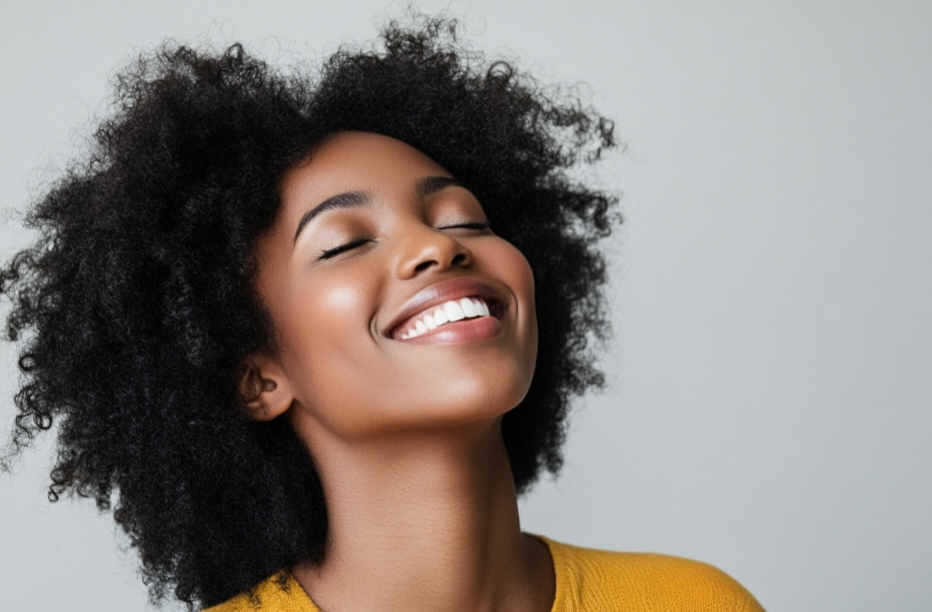
For many, achieving perfect hair is a daily ritual that involves various tools and products. Among these, the hair dryer is a staple in most beauty arsenals. However, not all hair dryers are created equal, and using the wrong one might be the reason behind less-than-ideal hair days. With the advent of advanced hair dryers by Dyson, understanding the science behind hair drying and how different technologies impact hair health and styling can be a game-changer.
Understanding Hair Structure and Heat
The Basics of Hair Composition
Hair is primarily made up of a protein called keratin. This protein is crucial for maintaining hair’s strength and elasticity. Each strand of hair consists of three layers:
- Cuticle: The outermost layer that protects the inner layers.
- Cortex: The middle layer, which provides strength, color, and texture.
- Medulla: The innermost layer, present in thicker hair types.
Excessive heat can damage these layers, leading to dryness, split ends, and breakage. Thus, understanding how a hair dryer interacts with these layers is essential.
The Role of Heat in Hair Drying
Heat helps evaporate water molecules from the hair surface. However, too much heat can strip the hair of its natural moisture, causing long-term damage. It’s crucial to find a balance that effectively dries hair without compromising its health.
How Hair Dryer Technology Impacts Hair
Ionic Technology
- How It Works: Ionic hair dryers emit negative ions that break down water molecules, allowing them to evaporate faster.
- Benefits: This technology can reduce drying time and minimize frizz, resulting in smoother hair. It also helps in retaining moisture within the hair shaft, which is crucial for maintaining shine and softness.
Ceramic and Tourmaline Features
- Ceramic Coating: Provides even heat distribution, reducing the risk of hot spots that can damage hair.
- Tourmaline Infusion: Enhances the negative ion effect, further reducing drying time and protecting against heat damage.
Adjustable Heat and Speed Settings
- Importance: Customizable settings allow for tailored drying experiences. Lower heat settings can be used for fine or damaged hair, while higher settings suit thicker hair types.
Common Mistakes When Using a Hair Dryer
Using Maximum Heat
Using the highest heat setting might seem like a time-saver, but it can lead to unnecessary damage. Opt for medium settings and hold the dryer at least 6 inches from the hair to minimize heat exposure.
Neglecting the Cool Shot
Many dryers come with a cool shot button, which helps to set the style and close the hair cuticle. This step is crucial for achieving a sleek, long-lasting finish.
Skipping the Nozzle Attachment
The nozzle concentrates the airflow, allowing for more precise styling and faster drying. It can also help prevent frizz by directing air down the hair shaft.
Tips for Choosing the Right Hair Dryer
Consider Hair Type
- Fine Hair: Opt for lower wattage dryers with ionic technology to prevent over-drying.
- Thick or Curly Hair: Look for higher wattage and ceramic technology for efficient drying and frizz reduction.
Evaluate the Weight and Ergonomics
A lightweight, ergonomically designed dryer can be more comfortable to use, reducing arm fatigue during longer styling sessions.
Look for Additional Features
- Attachments: Diffusers for curls, concentrators for straightening.
- Long Cord: For flexibility and ease of use.
Actionable Advice for Healthier Hair
- Pre-Dry with a Towel: Gently squeeze out excess water with a microfiber towel before using the dryer.
- Use Heat Protectant: Always apply a heat protectant spray to shield hair from potential heat damage.
- Regular Maintenance: Clean the filter regularly to ensure optimal performance and longevity of the hair dryer.
By understanding the interplay between hair dryer technology and hair health, users can make informed decisions about their styling tools. With the right knowledge and tools, achieving perfect hair can become a more attainable reality. Remember, the path to great hair isn’t just about the dryer itself—it’s about how it’s used and the care taken to protect the hair each step of the way.