Understanding Electric Isolators: Types, Functions, and Applications
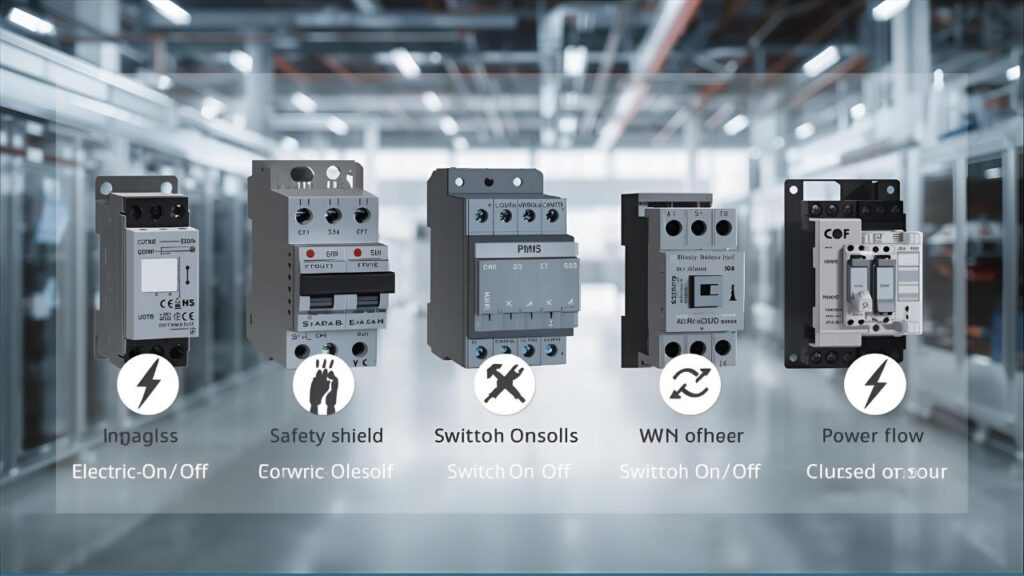
Electric isolators are crucial components in electrical systems, serving the vital role of ensuring safety and reliability in power distribution. These devices are used to completely disconnect a circuit from the main power source, allowing for safe maintenance and repair operations without the risk of electrical shock or unintended energy flow.
The importance of isolators in both residential and industrial settings cannot be overstated, as they provide a fail-safe way to work on electrical circuits. In this comprehensive guide, we will delve into the types, functions, and applications of electric isolators, providing insights that will enhance your understanding and application of these key components.
What is an Electric Isolator?
An electric isolator, also referred to as a disconnector switch, is a mechanical apparatus designed to disconnect a segment of an electrical circuit from power sources, ensuring that it is de-energized and secure for maintenance work. Unlike circuit breakers, which automatically interrupt power flow during fault conditions, isolators are manually operated and specifically designed for switching the circuit under no load.
This makes them suitable for maintenance work, inspections, and repairs, as they prevent accidental energization when technicians are working on the electrical equipment. They are available in various forms to cater to different voltage levels and applications, making them versatile and indispensable in electrical safety management.
Types of Electric Isolators
- Single Break Isolators
Single break isolators are used in low-voltage circuits where disconnecting one phase of the circuit is adequate. These are simple devices that are effective in ensuring safety in circuits where complete disconnection of all phases is not required, such as in smaller residential or commercial setups.
- Double Break Isolators
Double break isolators offer greater reliability by isolating two points of the circuit simultaneously. This quality makes them an excellent choice for industrial and commercial environments where enhanced safety is needed to ensure a complete break from power. They are designed to handle more demanding conditions and provide a redundant safety measure.
- Pantograph Isolators
Pantograph isolators are noted for their compact design and are typically used in high-voltage substations and railway applications. The pantograph mechanism allows them to open and close more efficiently while occupying less space, making them excellent for areas with limited space but requiring comprehensive isolation capability.
- Vertical Break Isolators
Vertical break isolators are often used in outdoor environments where space is a constraint. The vertical operation allows these isolators to fit comfortably into tight spaces while still providing effective isolation. They are commonly applied in power distribution networks, especially in urban settings where outdoor installations are common.
- Maintenance-Free Isolators
Modern innovations have led to the development of maintenance-free isolators, which require little to no regular upkeep. These isolators incorporate advanced materials and designs that enhance durability and minimize maintenance needs, making them an ideal solution for remote or difficult-to-access installations, significantly reducing maintenance costs over their lifespan.
Applications of Electric Isolators
Electric isolators are employed across numerous applications, owing to their essential role in ensuring electrical safety and operability. They are commonly used in power distribution networks to safely isolate sections for maintenance without disrupting service to unaffected areas. In industrial applications, isolators allow for maintenance work on equipment without compromising on safety, ensuring operational continuity and protection of personnel.
Residential and commercial buildings also benefit from installing isolators, providing a straightforward means to safely disconnect circuits and perform necessary electrical work. Additionally, in special applications such as railway electrification and high-voltage substations, isolators are critical in managing the sophisticated electrical needs of these complex systems.
Conclusion
To sum up, electric isolators are crucial elements in ensuring the safety and operational integrity of electrical systems in diverse environments. By understanding the diverse types of isolators—ranging from single and double break to pantograph and maintenance-free options—professionals can make informed decisions tailored to their specific needs.
The continued evolution and enhancement of isolator technology underscore the commitment to improving safety and operational efficiency in electrical applications. Whether in residential, commercial, or industrial environments, electric isolators play a pivotal role in ensuring that electrical systems can be safely and effectively managed.
FAQs About Electric Isolators
- What is the primary purpose of an electric isolator?
An electric isolator’s main role is to sever a portion of an electrical circuit for servicing or repairs, guaranteeing that the area is de-energized and safe for technicians. This function is critical in preventing accidental electrical shocks to personnel and avoiding damage to electrical equipment during servicing.
- How does an isolator differ from a circuit breaker?
An isolator is used to disconnect circuits manually and requires the circuit to be de-energized first, whereas a circuit breaker automatically interrupts power flow during overloads or faults to protect the circuit.
Isolators are not designed to handle current flow under load, meaning they cannot interrupt a live circuit. Instead, they are mainly used for manual disconnection when the circuit is no longer carrying electricity. In contrast, circuit breakers can rapidly respond to electrical faults, thus preventing circuit damage and enhancing overall system safety.
- Where are pantograph isolators typically used?
Pantograph isolators are commonly employed in high-voltage substations and railway infrastructure due to their space-efficient design and effective use of area. Their unique structure makes them ideal for environments where space constraints are a primary concern, yet high performance and reliable isolation are required.
- Can isolators be used for high-voltage applications?
Yes, isolators are available for both low and high-voltage applications, providing flexible solutions adaptable to different electrical settings. In high-voltage applications, isolators are specifically designed to handle significant electrical loads and are constructed from robust materials to withstand the stresses associated with high voltages.
- Are modern isolators maintenance-free?
Many modern isolators are designed to be maintenance-free, utilizing advanced technology and materials to reduce the need for regular servicing, thus offering greater convenience and reducing long-term maintenance costs. These isolators often feature self-lubricating components and corrosion-resistant materials that enhance durability and reliability over time.