Understanding Circuit Breakers and Their Importance in Homes
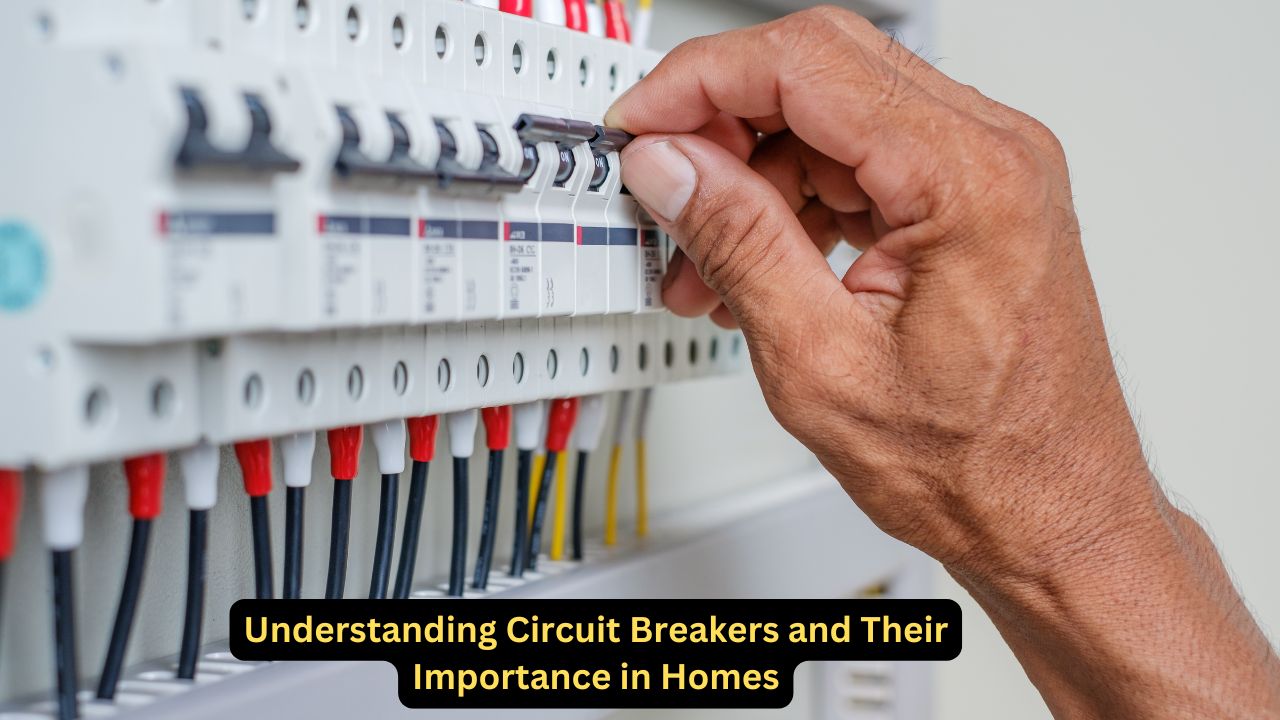
In the heart of every North Shore home lies an unsung hero—one who tirelessly protects against electrical mishaps and ensures the smooth flow of power. This hero is none other than the circuit breaker. For homeowners, electricians, and DIY enthusiasts alike, understanding circuit breakers isn’t just about grasping technical details; it’s about safeguarding your home and loved ones. In this guide, we’ll explore everything you need to know about circuit breakers and why they are crucial for your home’s safety.
What is a Circuit Breaker?
Circuit breakers are devices that automatically interrupt electrical flow when an overload or short circuit occurs. Think of them as your home’s security force, standing guard against potential hazards. In North Shore homes, you’ll typically find a few types of circuit breakers. Standard circuit breakers handle typical home circuits, while ground fault circuit interrupters (GFCIs) provide extra protection in water-prone areas like bathrooms and kitchens. Arc fault circuit interrupters (AFCIs) add a layer of defense against electrical fires by detecting arc faults. Each type plays a role in maintaining the safety of your home.
Importance of Circuit Breakers in Home Safety
Circuit breakers are paramount in safeguarding homes from electrical fires and electrocution. When a circuit becomes overloaded or a fault occurs, the excessive flow of electricity can generate dangerous heat. Circuit breakers act as a first line of defense, tripping before the situation escalates into a fire hazard. By stopping the current flow, circuit breakers minimize the risk of damage and protect the structural integrity of your home.
Signs Your Circuit Breaker Needs Attention
Over time, circuit breakers can experience wear and tear, leading to performance issues. It’s crucial to recognize the signs that your circuit breaker may need attention. Frequent tripping is a clear indication that something isn’t right. If your circuit breaker trips more often than usual, it could be a sign of an overloaded circuit or a malfunctioning breaker.
Burning smells or visible damage are also red flags. A burnt smell near your circuit breaker panel suggests overheating, which requires immediate professional attention. Additionally, if you notice scorch marks or damaged components, it’s time to call in an electrician in North Shore to assess the situation and prevent potential hazards.
Understanding these signs empowers homeowners to take proactive measures, preventing small issues from escalating into major problems. When in doubt, consulting Electric Express Solutions can provide expert guidance and ensure your home’s electrical safety.
Understanding the Circuit Breaker Panel
The circuit breaker panel, often located in a utility room or garage, is the central hub of your home’s electrical system. Inside, you’ll find various components that work together to distribute power safely. Key parts include the main breaker, individual circuit breakers, and the bus bars that distribute electricity.
Navigating a circuit breaker panel might seem daunting, but with a bit of knowledge, it becomes manageable. Begin by familiarizing yourself with the layout and labeling each breaker to correspond with its designated circuit. This practice not only simplifies troubleshooting but also enhances safety by allowing you to quickly identify the source of any issues.
Upgrading Your Circuit Breaker
As technology advances, so do the demands on your home’s electrical system. Upgrading your circuit breaker panel is a step toward meeting these evolving needs. If you’ve added new appliances or expanded your living space, it might be time to consider an upgrade.
Newer circuit breakers offer enhanced safety features and increased capacity, making them ideal for modern homes. Upgrading can prevent overloads and reduce the risk of electrical failures. The process typically involves assessing your current system, selecting the appropriate upgrades, and enlisting the expertise of an electrician in North Shore for seamless installation.
DIY Tips for Basic Circuit Breaker Maintenance
While some aspects of circuit breaker maintenance require professional attention, there are simple tasks homeowners can perform to keep their systems in good condition. Regularly inspecting your circuit breaker panel for dust and debris is a straightforward way to maintain its efficiency. Use a soft brush or cloth to gently clean the area, ensuring no foreign particles interfere with the components.
For safety, always turn off the main power before attempting any maintenance. Additionally, if you’re unsure about a specific task, don’t hesitate to seek guidance from Electric Express Solutions. With the right precautions and knowledge, you can contribute to the longevity and safety of your home’s electrical system.
Conclusion
Circuit breakers are the unsung heroes of North Shore homes, tirelessly working to ensure safety and reliability in your electrical system. Understanding their functions, recognizing signs of trouble, and performing basic maintenance are crucial steps for homeowners, electricians, and DIY enthusiasts alike.