Fuel Oil vs. Heating Oil: What’s the Difference?
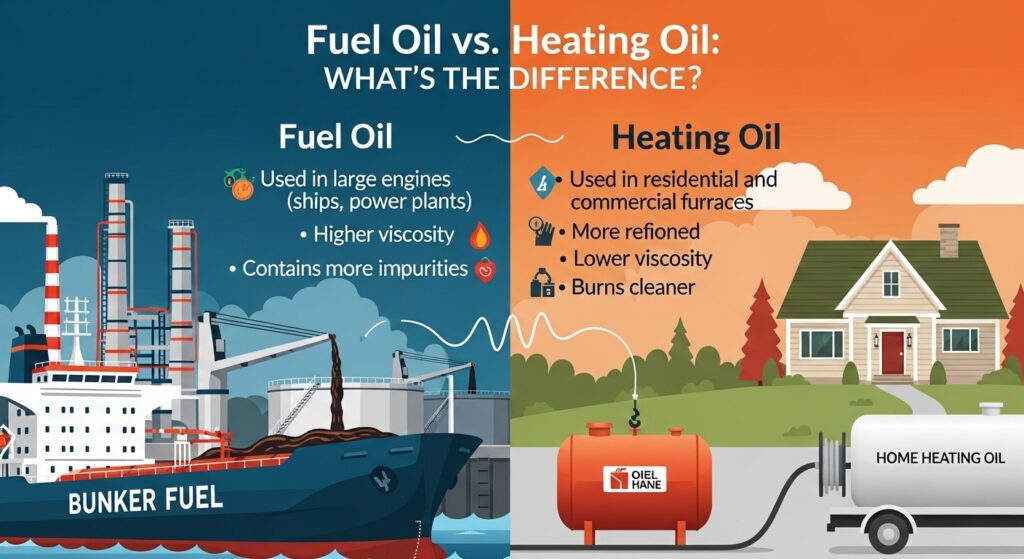
When winter temperatures drop, one of the first searches homeowners make is “heating oil companies near me.” But before you make that call, it’s essential to understand what type of oil your home uses — fuel oil or heating oil. Though the terms are often used interchangeably, there are distinct differences in composition, purpose, and pricing.
In this comprehensive guide, we’ll explore everything you need to know about fuel oil vs. heating oil, including how they’re used, their environmental impact, safety standards, and how to choose the right supplier for your home or business.
Understanding Fuel Oil and Heating Oil
Both fuel oil and heating oil are petroleum-based products derived from crude oil through the refining process. They fall under the same category as diesel and kerosene, but they differ in grade, usage, and additives.
What is Fuel Oil?
Fuel oil is a broad term that refers to any petroleum product used to generate heat or power. It includes several types, such as diesel, marine fuel, bunker fuel, and heating oil itself. In essence, heating oil is a subset of fuel oil, but not all fuel oil is used for heating.
Fuel oil grades typically range from No. 1 to No. 6, categorized by viscosity and purpose:
- No. 1 Fuel Oil – Similar to kerosene; used for portable heaters or space heaters.
- No. 2 Fuel Oil – Commonly known as heating oil; used in residential furnaces and boilers.
- No. 4, No. 5, and No. 6 Fuel Oil – Heavier industrial fuels, used in ships, factories, and power plants.
What is Heating Oil?
Heating oil, specifically No. 2 fuel oil, is a refined distillate used to warm homes, offices, and small buildings. It is stored in tanks and delivered by local heating oil companies. When burned in a furnace or boiler, it produces steady and efficient heat — making it ideal for cold climates.
Heating oil has similar properties to diesel but contains a red dye to differentiate it from taxable road fuel. This dye signifies that it is untaxed and meant solely for home or commercial heating, not for vehicles.
The Chemical Difference Between Fuel Oil and Heating Oil
Though both products come from crude oil, the refining process tailors each to a specific use.
- Fuel oil can be heavier or lighter depending on its grade. Higher numbers (like No. 5 or No. 6) indicate thicker oil with more energy density but slower combustion.
- Heating oil (No. 2) is lighter, cleaner, and more refined, making it efficient for residential heating systems.
Heating oil also includes stabilizers and detergents that prevent sludge formation, ensuring consistent burner performance and extending furnace life.
How Heating Oil Works
When you buy from heating oil companies near you, the oil is typically delivered by truck and stored in an above-ground or underground tank. From there, the oil travels through a line to your furnace or boiler, where it’s atomized and ignited to produce heat.
The process is remarkably efficient:
- 1 gallon of heating oil generates about 138,500 BTUs of heat energy.
- A typical home uses 500–1,000 gallons per winter, depending on climate and insulation.
Modern oil furnaces achieve up to 95% efficiency, meaning nearly all the energy from the oil converts into usable heat.
Common Uses of Fuel Oil vs. Heating Oil
Fuel Oil Applications
- Industrial Boilers – For generating steam or power in manufacturing.
- Marine Vessels – Bunker fuel powers cargo ships and tankers.
- Power Generation – Used as a backup fuel in electricity plants.
- Construction Equipment – Off-road diesel (a type of fuel oil) powers heavy machinery.
Heating Oil Applications
- Home Heating – Furnaces, boilers, and water heaters.
- Commercial Buildings – Offices, schools, and hospitals.
- Backup Heating Systems – Emergency or auxiliary systems in cold climates.
In short, while fuel oil serves industrial and transportation sectors, heating oil is tailored for residential and light commercial heating.
Heating Oil Grades and Blends
Most heating oil falls under No. 2, but blends exist for different weather conditions:
- Straight No. 2 Heating Oil – Standard for moderate climates.
- No. 1 / No. 2 Blend (Winter Blend) – Thinner mixture to prevent gelling in freezing temperatures.
- Bioheat – A renewable blend combining heating oil with biodiesel from soy or vegetable oils, reducing emissions.
As more heating oil companies near you adopt eco-friendly practices, Bioheat is gaining traction as a sustainable alternative.
Energy Efficiency and Performance
Heating Oil Efficiency
Heating oil burns hotter than natural gas or propane, which means it heats spaces faster and retains warmth longer. It also offers excellent energy density:
- 1 gallon of heating oil ≈ 135,000–140,000 BTUs
- 1 gallon of propane ≈ 91,500 BTUs
- 1 cubic foot of natural gas ≈ 1,000 BTUs
With modern condensing furnaces and regular maintenance, heating oil systems can achieve over 90% efficiency, reducing fuel consumption and annual costs.
Fuel Oil Efficiency
Industrial-grade fuel oils (No. 4–6) are less refined and produce more energy per gallon but require specialized burners and higher operating temperatures. These oils are cost-effective for large-scale operations but not suitable for residential use.
Environmental Impact
The debate between fuel oil vs. heating oil often includes environmental concerns.
- Traditional heating oil emits carbon dioxide (CO₂) when burned but produces fewer greenhouse gases than coal.
- Low-sulfur heating oil introduced in recent years has reduced sulfur emissions by up to 99%.
- Bioheat, a renewable blend, can cut carbon emissions by 50% or more, depending on the biodiesel ratio.
Meanwhile, heavy fuel oils used in industrial settings release more particulate matter and sulfur dioxide, making them less eco-friendly unless treated or filtered.
If you’re environmentally conscious, consider searching for heating oil companies near me that offer Bioheat or low-sulfur heating oil options.
Storage and Safety
Heating Oil Storage
Heating oil is stored in sealed steel or plastic tanks, typically ranging from 250 to 1,000 gallons. Modern tanks are double-walled to prevent leaks and corrosion.
Safety features include:
- Overfill alarms
- Automatic shutoff valves
- Leak detection systems
Heating oil is non-explosive, meaning it must be vaporized at high temperatures before it can ignite — making it much safer than gasoline or propane.
Fuel Oil Storage
Industrial fuel oils often require heated storage tanks to prevent thickening. These setups are monitored for viscosity and temperature to ensure proper flow into large-scale burners or generators.
Pricing: Fuel Oil vs. Heating Oil
Heating Oil Costs
Heating oil prices vary based on crude oil markets, delivery distance, and seasonal demand. As of recent years, prices average between $3 to $5 per gallon in the U.S. northeast — the primary region relying on heating oil.
Fuel Oil Costs
Heavier fuel oils like No. 5 or No. 6 are cheaper per gallon because they are less refined. However, their equipment and handling costs are higher.
Consumers often find better deals by searching “heating oil companies near me” and comparing local rates, delivery options, and loyalty programs.
Finding Reliable Heating Oil Companies Near You
If you depend on heating oil for your home or business, choosing the right supplier is crucial for uninterrupted service and fair pricing. Here’s what to look for:
1. Local Presence and Reputation
Search online for heating oil companies near me and read customer reviews. Local suppliers understand regional fuel requirements and weather patterns, ensuring timely delivery.
2. Transparent Pricing
Reliable companies offer upfront quotes with no hidden fees. Some even provide price protection plans or budget payment options to help manage winter costs.
3. Automatic Delivery
Many providers monitor your usage and deliver oil automatically, preventing unexpected shortages during freezing conditions.
4. Service and Maintenance Plans
Top heating oil companies include furnace tune-ups, tank inspections, and emergency repairs as part of their packages — saving you from separate contractor costs.
5. Eco-Friendly Options
Ask if they supply Bioheat or ultra-low sulfur heating oil (ULSHO) for a cleaner, greener burn.
Comparing Heating Oil with Other Energy Sources
| Energy Source | Efficiency | Cost per Unit (Approx.) | Environmental Impact | Reliability |
| Heating Oil | High (85–95%) | Moderate ($3–$5 per gallon) | Moderate, improving with Bioheat | Excellent |
| Natural Gas | High | Low | Cleaner than oil | High, but depends on pipeline access |
| Propane | Moderate | Moderate | Cleaner but less energy-dense | Good |
| Electricity | Variable | High | Clean at point of use | Depends on grid stability |
| Fuel Oil (Industrial) | Very High | Low per gallon | High emissions | Industrial-grade reliability |
Heating oil remains one of the most energy-efficient and reliable home heating options, especially in regions without natural gas infrastructure.
Transitioning Toward Renewable Heating
The heating industry is rapidly evolving. Many heating oil companies near you are now embracing cleaner technologies:
- Bioheat Blends: Using renewable biodiesel to cut carbon output.
- Hybrid Heating Systems: Combining oil furnaces with heat pumps for year-round efficiency.
- Smart Thermostats and IoT Integration: Allowing homeowners to monitor consumption and schedule refills automatically.
These innovations ensure that heating oil remains a relevant, sustainable energy source in a carbon-conscious future.
Maintenance Tips for Heating Oil Users
To get the best performance and longevity from your system, follow these expert tips:
- Inspect Your Tank Annually – Look for rust, leaks, or water accumulation.
- Schedule Yearly Furnace Tune-Ups – Clean filters, check nozzles, and calibrate the burner.
- Use Additives in Winter – Prevent fuel gelling during sub-zero temperatures.
- Keep the Tank at Least Half Full – Reduces condensation that can cause rust.
- Install a Smart Monitor – Tracks fuel levels and alerts you before running low.
By maintaining your equipment, you can cut energy costs by up to 10–15% annually.
The Bottom Line: Which Should You Choose?
If you’re heating your home, heating oil (No. 2 fuel oil) is the right choice — it’s efficient, safe, and supported by thousands of local suppliers. On the other hand, fuel oil encompasses broader applications, including industrial and marine use.
The confusion between the two often comes from terminology, but the rule of thumb is simple:
- Residential or Commercial Heating → Heating Oil
- Industrial or Power Generation → Fuel Oil
As you prepare for winter, take the time to compare heating oil companies near you. Look for reputable providers offering eco-friendly blends, automatic deliveries, and maintenance plans. With the right supplier, you can enjoy reliable warmth, cost savings, and peace of mind all season long.
FAQs About Fuel Oil and Heating Oil
1. Is fuel oil the same as heating oil?
Not exactly. Heating oil is a type of fuel oil (specifically No. 2), but fuel oil also includes heavier grades used for industrial purposes.
2. Can I use diesel instead of heating oil?
Yes, in emergencies. Diesel and heating oil are nearly identical, but diesel is taxed and lacks the red dye.
3. How long does heating oil last in storage?
When stored properly, heating oil can last 18–24 months. Additives can extend its shelf life further.
4. What’s the cleanest type of heating oil?
Ultra-low sulfur heating oil (ULSHO) and Bioheat blends are the cleanest and most environmentally friendly options available.
5. How do I find reliable heating oil companies near me?
Search online directories or Google Maps for local suppliers, compare prices and reviews, and check for certifications or membership in industry associations like the Energy Marketers Association of America (EMA).
Final Thoughts
Understanding the difference between fuel oil and heating oil helps you make informed energy choices — saving money while staying warm. Whether you’re upgrading your furnace or comparing local suppliers, knowing what goes into your tank ensures maximum efficiency, safety, and sustainability.
So before the next cold snap hits, take a moment to search for “heating oil companies near me.” You’ll not only find affordable warmth but also discover modern, cleaner fuel options that keep both your home and the planet comfortable.