Possible Causes for Productivity Drops in Your Solar Panels
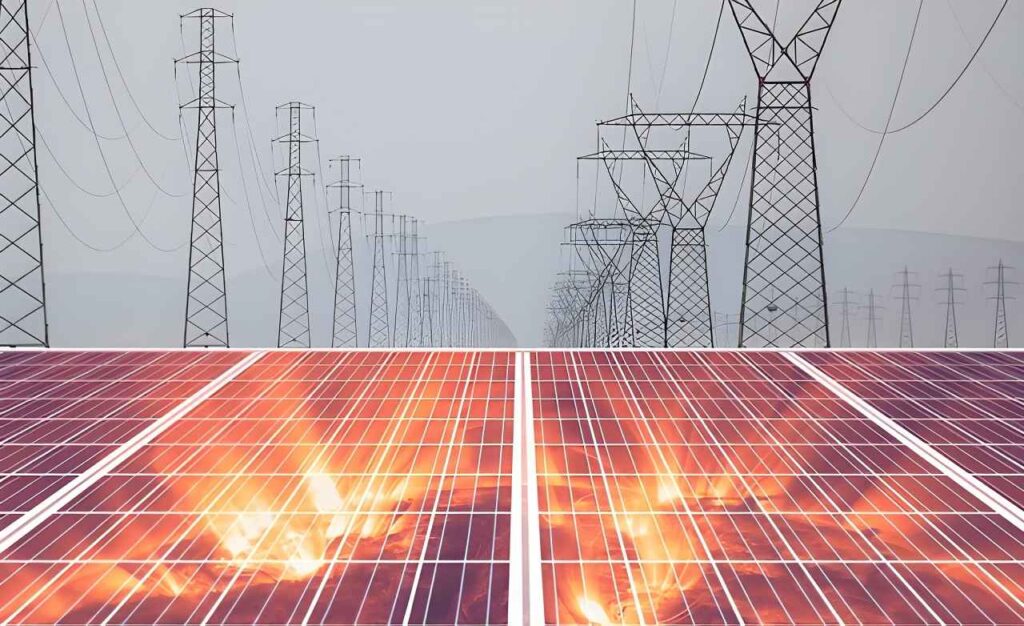
If you’ve had your solar power system for a while, you know what their usual output looks like. So, if your connected monitoring app is showing a dramatic dip in their productivity, you might be wondering if there’s a problem that you need to address. It’s important to note that even well-maintained systems can experience these periods of reduced performance, so it’s nothing to be immediately concerned about. However, understanding the possible causes of the dip so you can troubleshoot the problem is always a good idea. Keep reading to learn what some of the most likely causes are for solar panel productivity loss.
Accumulation of Dirt or Debris
One of the most common causes for decreased solar output is a dirtied or otherwise obstructed surface on your panels. Dust, pollen, bird droppings, and leaves can all accumulate on panels over time, blocking the sunlight so that it can’t reach the solar cells. Even a thin layer of grime can cut down on efficiency by several percent. Regularly cleaning your panels (especially after any dust storms or other conditions likely to dirty the panels) can help maintain maximum sun exposure for more consistent energy output.
Shading from Trees or Structures
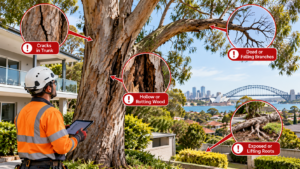
As neighborhoods grow, the trees on your property and your neighbors’ properties will grow as well. This can lead panels to experience shading that didn’t exist when they were initially installed. Longer tree branches, new buildings, or even antennas and satellite dishes can cast partial shadows on your panels. And, because the cells in each panel are wired together, shading one cell can impact the entire panel’s output; and in a system with a string inverter, a drop in one panel’s production can impact all the panels in the string. Trimming trees and occasionally assessing the amount of shade on your roof can help you spot and correct these issues quickly.
Electrical or Inverter Issues
Sometimes, a loss in productivity isn’t caused by the panels themselves, but by an issue in the system’s other electrical components. Faulty wiring, loose connections, or inverter malfunctions can hinder power conversion and reduce solar output. For example, because the inverter is responsible for turning DC power to AC power, any issues with the inverter will have a big impact on your system’s performance. If your panels seem fine, but your energy output has dropped, consider having a professional look at the other parts of your system for issues.
Regular Energy Losses
It’s important to keep in mind that life itself is not always going to give you ideal conditions for solar production. Cloudy weather, changing temperatures, snow coverage, and long-term degradation of your system will all negatively impact energy output. You should always consider whether or not any of these factors apply when you see a dip in production from your Mission solar energy panels.