Why HVAC Maintenance Matters in Perth’s Climate
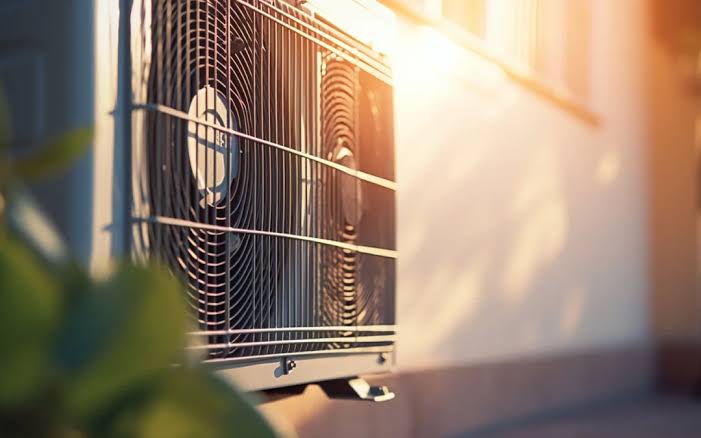
Perth’s climate puts HVAC systems to work. Long hot spells, sharp seasonal transitions, and the mix of coastal air and airborne dust can all add stress to equipment that is expected to run quietly in the background. When maintenance slips, the early impacts are often subtle: the system takes longer to cool, airflow feels weaker, or energy use creeps up. Over time, those small symptoms can turn into comfort issues, hygiene problems, and avoidable breakdowns.
The good news is that most HVAC failures do not arrive out of nowhere. They tend to follow predictable patterns tied to heat load, restricted airflow, moisture management, and component wear. A maintenance plan built for local conditions is less about ticking boxes and more about keeping the system operating within its intended range.
In Perth, many property owners include a periodic deep clean as part of hvac maintenance services perth planning because hygiene and performance often move together when the system runs hard through summer.
Perth conditions that make HVAC work harder
Even a well-designed system can struggle if the environment constantly pushes it outside the “easy operating” zone.
Key local factors include:
● Sustained heat and high cooling demand: Extended hot weather means longer run times, higher refrigerant pressures, and more wear on motors and compressors.
● Dust and fine particles: Dust can clog filters, coat coils, and reduce heat transfer, forcing the unit to work harder for the same output.
● Coastal air exposure: In areas closer to the coast, salt-laden air can accelerate corrosion on metal components and outdoor units.
● Humidity swings and condensation: Moisture control matters year-round. Condensate lines and drain pans need to stay clear to avoid musty odors and microbial growth.
These factors do not mean your system is doomed. They just mean the “set-and-forget” approach is less forgiving.
What HVAC maintenance actually includes
People often think maintenance is a quick filter change. Filters matter, but they are only one piece of the system.
A proper maintenance routine typically covers:
● Airflow checks: Inspecting filters, supply and return pathways, and fan performance to ensure the system can move air efficiently.
● Coil condition: Evaporator and condenser coils need to be clean enough to transfer heat properly. Dirty coils reduce efficiency and comfort.
● Electrical and controls: Connections, contactors, thermostats, and safety controls can drift or degrade over time.
● Condensate management: Drain pans and lines should be clear so moisture leaves the system instead of lingering.
● General inspection for wear: Belts, bearings, vibration, noise changes, and visible corrosion can flag issues before they become failures.
Maintenance is most effective when it is consistent, documented, and aligned to how the building actually uses the system.
The cost you feel first: efficiency and energy use
A system that is slightly restricted or dirty may still run, but it tends to run longer to achieve the same indoor temperature. That extra runtime shows up as higher energy consumption and more frequent cycling.
Common efficiency drains include:
● Filters that are too clogged, poorly fitted, or the wrong type for the system
● Coils with dust buildup that insulates the heat-transfer surface
● Outdoor units blocked by debris or poor clearance
● Thermostat settings that encourage short cycling or constant overcooling
The purpose of maintenance is to keep the system in a state where it can do less work for the same comfort result.
Comfort and indoor air quality are part of maintenance
HVAC performance is not only about temperature. Air quality and comfort are connected to how well the system manages airflow and moisture.
When maintenance is neglected, occupants may notice:
● Uneven temperatures from room to room
● Stale or musty smells when the unit starts up
● Increased visible dust settling indoors
● Irritation for people sensitive to particulates
While not every air quality issue is caused by HVAC, a system that is clean, dry where it should be, and moving air properly is a more stable baseline.
Timing matters: why seasonal planning helps
Perth’s hottest months are when you least want a system failure. Scheduling checks before peak demand reduces the chance of emergency callouts and helps identify small issues while they are still small.
A practical seasonal rhythm often looks like:
● Pre-summer: airflow, coils, controls, outdoor unit clearance, performance checks
● During summer: monitor filters more frequently if dust is high or the system runs constantly
● Post-summer: inspection for wear and moisture management, especially if the unit worked hard for months
● Winter: confirm heating functions and ventilation performance where applicable
Even a simple plan becomes more reliable when it is repeated at predictable intervals.
Signs your system may need attention sooner
You do not have to wait for the calendar if the system is giving signals. Common early warnings include:
● A noticeable rise in energy bills without a lifestyle change
● Rooms taking longer to cool or heat than usual
● Unusual smells, especially musty odors at startup
● More noise, vibration, or rattling from indoor or outdoor units
● Frequent cycling on and off
These signs do not diagnose the problem by themselves, but they do suggest the system may be operating under strain.
How to keep a maintenance plan realistic
The most effective maintenance plan is one you will actually follow. A good approach is to define:
● The filter strategy (type and replacement frequency)
● The inspection and cleaning cycle that matches your use and exposure
● A simple log of dates, findings, and changes
Perth conditions can be demanding, but consistent upkeep is usually more predictable than reacting to failures. When the system runs efficiently, it tends to be quieter, more comfortable, and less likely to surprise you at the worst time.