Texas Grant Strategies for Nonprofits Serving Veterans and First Responders
Texas has large military-connected and public-safety communities, but the needs of veterans and first responders are not identical from one region to another. A nonprofit in a major metropolitan area may focus on navigating a complex service system, while a rural organization may be addressing distance, transportation, or limited access to specialized care. An effective grant article or proposal begins with this local picture. It shows the funder why the work is necessary in the organization’s service area and how the nonprofit is equipped to respond.
A clear mission statement gives the rest of the application direction. It should identify the people served, the challenge being addressed, and the benefit the organization intends to create. For a veteran-focused nonprofit, that may mean helping former service members move toward stable employment, housing, education, or family stability. For a first responder organization, it may mean reducing barriers to confidential wellness support, helping injured personnel, or strengthening assistance for surviving families. Specificity is more useful than a wide claim of supporting heroes.
Workforce and career-transition programs can be compelling when they describe a practical pathway. Veterans may need help translating military experience, obtaining civilian credentials, preparing for interviews, or connecting with employers. A nonprofit can describe orientation sessions, individual coaching, employer partnerships, skills workshops, and follow-up support. Funders want to see that the program is more than a job board: it should remove known barriers and show what participants are expected to achieve.
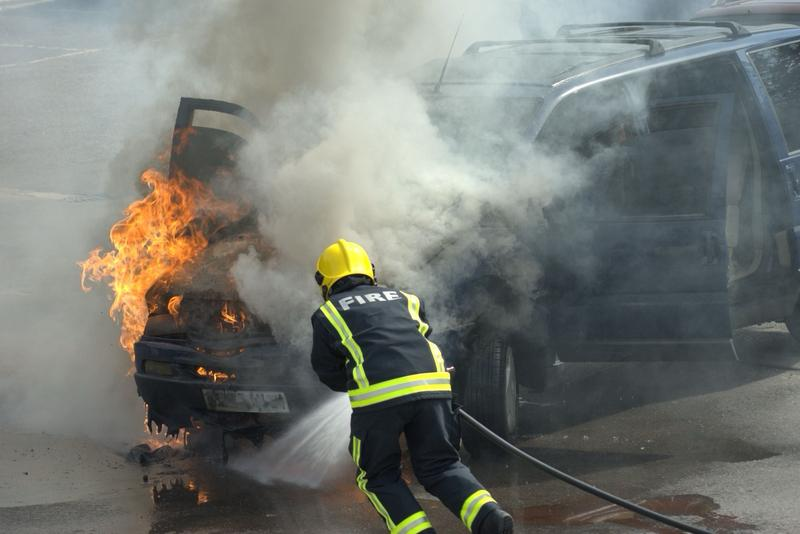
First responder initiatives may focus on prevention, recovery, and family support. Law enforcement officers, dispatchers, firefighters, emergency medical personnel, and other public-safety workers often need services that are easy to access and trusted by the people using them. Programs may include peer networks, family resource navigation, recovery assistance after injury, wellness education, or referrals to qualified professionals. The proposal should make the nonprofit’s scope clear and avoid representing nonclinical services as treatment.
In Texas, travel distance can shape program design. If participants live across several counties, a nonprofit may need mobile outreach, virtual information sessions, transportation assistance, local referral partners, or rotating program locations. These choices should appear in the budget and evaluation plan as well as the narrative. A reviewer should be able to see how a veteran or first responder will actually access the service, not merely that a service is offered.
Family resilience is another appropriate funding theme. A spouse, child, parent, or caregiver can be affected by a deployment history, work-related injury, emergency event, or transition into civilian life. Programs can offer family workshops, child enrichment, caregiver education, or help connecting households with broader local resources. The strongest family component is one that directly supports the nonprofit’s mission and is designed around a defined need rather than added as a broad extra service.
Grant research should be deliberate. Review whether a potential funder supports Texas applicants, the specific counties served, the type of nonprofit applying, and the purpose of the request. Read recent award announcements when available. A foundation that funds youth development may fit a veteran family mentoring initiative; a corporate giving program centered on workforce readiness may fit a career-transition program. The match should be visible in the language of the proposal without copying the funder’s wording mechanically.
Strong applications also demonstrate operational discipline. Explain how referrals are received, how eligibility is confirmed, how staff and volunteers are trained, and how participant information is protected. Identify any referral relationships with employers, schools, service providers, or community agencies. Funders are reassured when a nonprofit can show that it understands its role in a larger network and has a responsible plan for needs outside its direct service capacity.
Measures should reflect the program’s actual work. Workforce programs might track completed resumes, credential applications, interviews, job placements, or retention follow-up. Wellness and family programs might measure service connections, repeat participation, completed support plans, or participant-reported access to needed resources. These outcomes do not need to be overstated. They need to be useful indicators that the nonprofit can collect consistently and use to improve the program.
Nonprofit leaders can use the grants catalog to search across veteran services, first responder support, workforce development, health, community safety, education, and family programs. Searching with more than one relevant term can reveal opportunities that are not labeled only for veterans or public safety. The goal is to find a funder whose existing priorities fit the organization’s work.
Texas organizations that keep their mission, activities, budget, and outcomes aligned are better prepared for funding conversations. They can also review grants for nonprofits listings to broaden their search while remaining selective about fit. Grant readiness is not about trying to qualify for every opportunity; it is about making a clear, credible case to the funders most likely to value the work.
For Texas nonprofit leaders, preparation also means reviewing governance, financial records, insurance needs, volunteer practices, and policies for protecting participant information before a funding opportunity appears. Funders may ask for these materials during review, and having them ready prevents a well-matched request from losing momentum. Organizations should also review past program results with staff, participants, and partners. Those conversations can reveal where the service model is already strong and where an additional grant investment would produce the most useful improvement for veterans, first responders, and their families.