The Anatomy of a Youth Martial Arts Class: How Instructors Balance Fun with Real Discipline
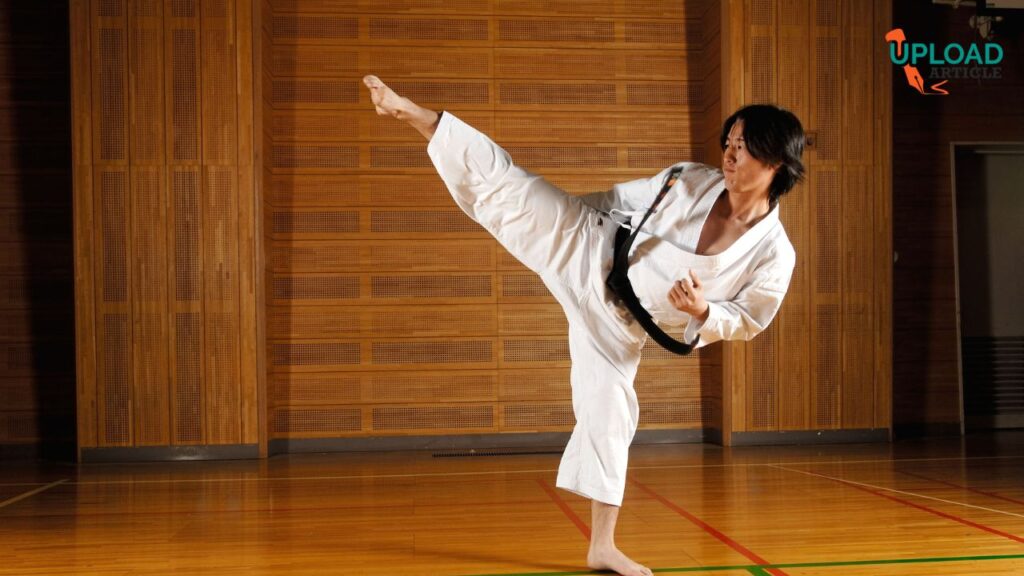
One minute the mat is pure pandemonium — sneakers squealing against the floor, somebody’s belt already unraveling, a kid launching into a cartwheel for reasons nobody can quite explain — and then, two claps from the instructor, and the noise just… drops. Silence falls like a curtain being cut loose. Rows snap into place. Bows land in unison. It’s a small, oddly reliable trick that plays out in Karate classes week after week, and honestly, it sums up the whole piece: fun and discipline here aren’t rivals. They’re built to lean on each other.
The Bow-In Ritual
Most youth sports kick off with somebody hollering, “Alright, everybody grab a ball!” Martial arts opens with stillness instead, and that’s no accident. The bow-in isn’t a ceremony for its own sake — think of it more as a psychological on-ramp, a cue repeated so often that a six-year-old’s nervous system learns to recognize: this room works differently now. Structured openings succeed because children, even more than grown-ups, borrow their emotional temperature from ritual. A predictable start doesn’t smother energy — it simply gives that energy a direction to travel, and that’s the rhythm you’ll find built into Florida Karate Academy classes.
Warm-Up as Warm-Buy-In
Watch a group of six- to eight-year-olds warming up, and what you’ll see resembles organized chaos more than exercise — animal walks, freeze games, quick sprints that look like play because, well, they are play. The instructor is quietly burning off wiggle before it turns into a full-blown distraction. Now shift over to a class of 12- to 14-year-olds: the warm-up sharpens into footwork sequences and conditioning work that doubles as a quiet status symbol — you’ve earned the harder stuff. Same underlying purpose, completely different toolkit. Skilled instructors read a room’s age almost instinctively, dialing between “let the energy out” and “steer the energy somewhere” without seeming to think twice about it.
Skill Drills — Where Fun Hides Inside Repetition
“If I told a seven-year-old we were doing forty repetitions of the same block, I’d lose half the room. If I tell them we’re playing ‘mirror the dragon’ and just happen to run it forty times, they ask for more.” — a composite instructor voice, illustrating a real pattern seen across youth programs
Repetition is where technique gets forged, and repetition also happens to be exactly what kids resist hardest. The trick isn’t deceiving children — it’s designing games whose win condition quietly requires correct form. A restless child who can’t sit through thirty seconds of a lecture on stance width will chase a partner across the mat for ten straight minutes if it’s framed as a stance-width game. One instructor remembered a particularly fidgety student who, early in the semester, could barely hold focus for half a minute before bouncing off the walls. By channeling that same restlessness into structured partner games — never squashing it, just redirecting it — that same child had, by winter, become one of the steadiest kids in the room, quietly correcting classmates’ stances without being asked.
The Correction Moment
The manner of a correction matters more than the mistake it’s addressing. There’s a real gap between correction fueled by fear and correction grounded in respect:
| Approach | Fear-Based Correction | Respect-Based Correction |
| Student response | Compliance out of anxiety | Compliance out of understanding |
| Long-term effect | Avoidance, resentment | Internalized discipline |
| Instructor role | Authority figure | Mentor/guide |
The strongest instructors zero in on the technique, not the child — a brisk “reset your feet, try again” rather than a drawn-out “why aren’t you listening.” Kids stop dreading mistakes and start treating them as data. That single shift does more for lasting discipline than any amount of stern posturing ever could.
Free Sparring or Application Time
Light sparring or partner drills can look, to an outsider, like the moment all the control unravels. It’s actually the reverse — this is the lab where self-regulation gets stress-tested in real time. A kid who’s heard “control your power” dozens of times now has to actually choose control while adrenaline spikes and a partner stands right there. Instructors watch closely here, not merely to police technique, but to notice who’s managing their own nervous system under mild pressure — arguably the most transferable skill the whole class has to offer.
The Closing Bow & Reflection
The class winds down the same way it wound up: on cue. A closing bow, one brief reflective question from the instructor — what’s one thing you got better at today? — and the room eases from “controlled intensity” back down to calm. It’s the opening lesson run in reverse: structure was never the enemy of fun. It’s the container that made the fun possible in the first place.
What Parents Can Observe
- How quickly the room settles after a high-energy drill — a sign of practiced transitions, not luck
- Whether corrections come quietly and specific, or loud and generalized
- Whether instructors shift intensity by age group, or run every class the same way
- Whether mistakes get a quick fix and a nod, or a pause that puts a spotlight on the child
Final Thoughts
No single class builds character on its own. What actually builds it is the compounding rhythm — the same bow, the same games, disguising drills, the same respectful corrections, repeated week after week until they stop feeling like rules and start feeling like identity. That’s the real payoff of consistent martial arts training for kids: not a belt color, but a child who’s quietly rehearsed, session after session, how to hold themselves together under mild pressure — and then let go the moment it’s time to. It’s a rhythm that becomes especially visible over time in Florida Karate Academy classes.