A Seasonal Garden Maintenance Checklist for Busy Homeowners
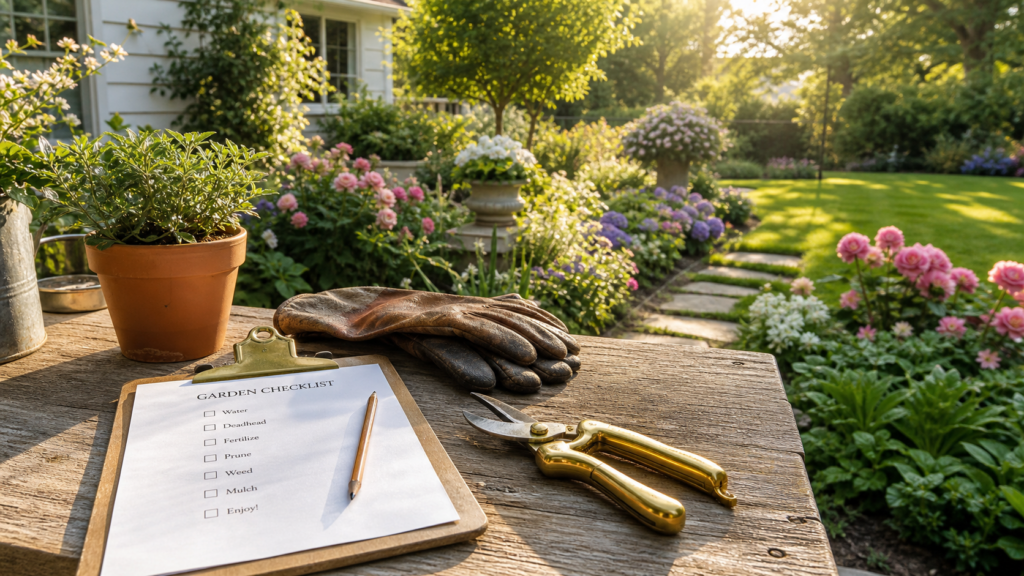
A well-kept garden is rarely the result of one big effort. It’s usually the outcome of small, timely jobs done often enough that problems never get the chance to snowball. For busy households, a seasonal checklist is useful because it turns garden care into a predictable rhythm. You do what matters most at the right time, and you skip what doesn’t.
Many people keep that rhythm by combining their own quick weekly tasks with scheduled help. In practice, that often means treating local garden maintenance services as part of the plan rather than an emergency fix, especially when seasons change and the garden needs a reset.
The “Always” Tasks That Make Every Season Easier
Before getting into seasonal specifics, a few habits pay off year-round:
- Walk the garden weekly: Look for wilting, chewing damage, fungal spots, or blocked drainage. Early detection is most of the battle.
- Weed little and often: Ten minutes regularly beats hours after weeds seed.
- Keep beds covered: Bare soil dries out, erodes, and invites weeds. Mulch or dense planting helps.
- Water smarter: Deep, infrequent watering supports stronger roots than light daily sprinkles.
- Stay on top of green waste: Piles of prunings can harbor pests and disease.
If you can only do one thing consistently, make it the weekly walk. It guides everything else.
Spring: Reset Growth and Build Momentum
Spring is when gardens shift from survival mode into active growth. Your goal is to prepare soil, support new shoots, and stop weeds before they take over.
Spring priorities:
- Light pruning and shaping: Remove dead stems and winter damage, and open up airflow through shrubs.
- Feed the soil: Add compost or a gentle slow-release fertiliser to garden beds.
- Mulch after feeding: Mulch locks in moisture and reduces weed pressure as temperatures rise.
- Check irrigation and hoses: Fix leaks, clear blocked emitters, and test timers before hot days arrive.
- Edge garden beds: Clean edges instantly make a garden look tidy and stop lawn creep.
Spring is also the best time to note gaps in your planting. If an area always looks sparse, it may need hardier plants or different light conditions.
Summer: Protect, Maintain, and Reduce Stress
Summer maintenance is mostly about heat management. Plants under heat stress become more vulnerable to pests and fungal issues, so your checklist should focus on stability.
Summer priorities:
- Water early, deeply, and less often: Morning watering reduces evaporation and fungal risk.
- Refresh mulch where it’s thin: Especially around sun-exposed beds and new plantings.
- Stay consistent with mowing: Avoid scalping lawns. A slightly higher cut can reduce stress and help shade the soil.
- Deadhead and lightly prune: Encourages repeat flowering and prevents plants from putting energy into seed.
- Watch for pests: Aphids, caterpillars, and mites can build quickly. Check undersides of leaves.
If you travel during summer, set up simple safeguards like timers, drip lines, and a mulched root zone for key plants.
Autumn: Clean Up, Strengthen Roots, and Prepare for Cool Weather
Autumn is when you set your garden up for the next season. It’s a great time for repairs, soil work, and careful pruning.
Autumn priorities:
- Remove tired annuals and spent plants: Compost healthy material and dispose of diseased foliage.
- Plant or transplant strategically: Cooler temperatures reduce shock and help roots establish.
- Soil improvement: Add compost, and consider a mulch refresh to protect soil structure over winter.
- Prune thoughtfully: Many plants handle an autumn tidy, but avoid heavy pruning of species that flower on old wood.
- Leaf management: Leaves can be useful mulch, but thick mats on lawns can smother grass.
Autumn is also the time to check drainage. If water pools in certain areas, winter will make the problem more obvious.
Winter: Prune With Purpose and Prevent Damage
Winter tasks are often lighter, but they matter. With slower growth, the garden is easier to assess, and pruning decisions are clearer.
Winter priorities:
- Structural pruning: Shape deciduous plants, remove crossing branches, and reduce weak growth.
- Protect vulnerable plants: Frost cloths, moving pots, and wind protection can prevent damage.
- Tool maintenance: Sharpen secateurs, clean equipment, and replace worn hoses or fittings.
- Weed when soil is damp: Weeds often pull out more easily after rain.
- Plan next season: Note what struggled, what thrived, and what areas need a different approach.
A winter tidy also improves airflow and reduces disease pressure before spring growth begins.
A Simple Annual Schedule That Actually Fits Busy Life
If you want a realistic cadence, use this baseline:
- Weekly: quick walk, remove obvious weeds, check watering
- Monthly: edging, light prune, mulch top-up where needed
- Seasonal: deeper prune, soil feed, lawn reset, irrigation check
The point is consistency, not perfection. Gardens respond best to routine care, even if the routine is modest.