How to Build a Capsule Wardrobe for a Changeable Climate
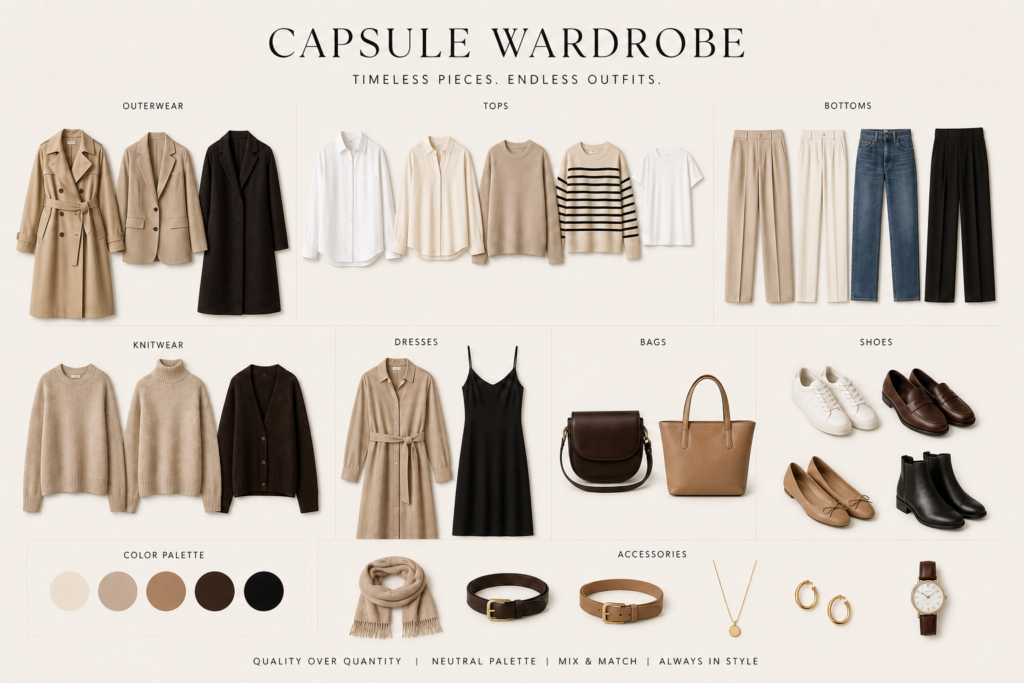
A changeable climate can make getting dressed feel like a daily puzzle. One morning is crisp and bright, the afternoon turns humid, and by evening you are reaching for a layer again. A capsule wardrobe helps by reducing “maybe” items and focusing on pieces that work across temperatures, settings, and seasons. The goal is not to own less for the sake of it. The goal is to own the right things, in combinations that make sense for how the weather actually behaves.
If you are rebuilding your closet with shifting conditions in mind, even a quick check on proportions and layering logic can prevent gaps. That’s where a reference point such as a women’s personal stylist christchurch can sit naturally within the broader process of wardrobe planning, without changing the fact that the day-to-day wins come from practical choices you can repeat.
Start With the Climate Pattern You Actually Live In
Before you sort a single hanger, define your “normal range.” Look at what you experience most weeks, not what happens once or twice a year. Many people overbuy for edge cases, then feel like they have “nothing to wear” during the in-between days.
Try this quick framework:
- Your common day: the temperature range you see most often.
- Your swing: how much it changes between morning and afternoon.
- Your wildcard: wind, rain, or sudden humidity shifts.
When you know your pattern, you can build around adaptability. In changeable conditions, versatility beats having separate outfits for every possibility.
Choose a Color Palette That Makes Mixing Automatic
Capsules succeed when almost everything works with almost everything. A simple palette removes decision fatigue and makes layering look intentional rather than random.
A useful starting point is:
- 2–3 neutrals (for bottoms, outerwear, shoes)
- 2 core colors (for tops and layers you wear often)
- 1 accent color (for personality and variety)
You do not need to dress in monochrome. You just want enough consistency that you can grab a layer when the weather turns and still look put-together.
Build Around Layering, Not Single-Outfit Pieces
In a changeable climate, layering is your best tool. Aim for pieces that work in multiple temperature zones rather than items that only make sense in one.
A capsule-friendly layering stack looks like this:
- Base layer: breathable tees, tanks, lightweight knits, long-sleeve tops
- Mid layer: cardigans, fine sweaters, overshirts, light fleece or merino
- Outer layer: trench, rain shell, denim jacket, light wool coat, insulated option if needed
The magic is in compatibility. Your mid layers should fit comfortably under your outer layer without bunching. If everything is too bulky together, you will avoid layering and the capsule stops working.
Prioritize Fabrics That Handle Temperature Swings
Fabric choice matters as much as silhouette. In shifting weather, you want materials that breathe, resist odors, and recover well after wear.
Generally helpful options:
- Cotton blends: breathable and easy to wash
- Merino wool: warm without heavy bulk, good for fluctuating temps
- Tencel/lyocell: soft, breathable, drapes well for layering
- Lightweight synthetics: useful for packable rain layers and wind resistance
Try to limit “high-maintenance only” fabrics in your core capsule unless you truly enjoy caring for them. Capsules work best when the maintenance matches real life.
Edit Your Wardrobe Using a Clear Decision Method
A capsule is built as much by removing as by adding. The trick is to make decisions based on function, not guilt or nostalgia.
Use four categories:
- Works now: fits, feels good, suits your climate pattern
- Works with a tweak: needs tailoring, a missing layer, or a minor repair
- Doesn’t work: uncomfortable, hard to style, wrong fabric for your weather
- Seasonal special: true one-season items you store away
Then apply the “three-outfit test.” If you can’t style an item into three outfits using pieces you already wear, it is probably not capsule material.
Fill Gaps With Intentional, Repeatable “Bridge” Pieces
In a changeable climate, gaps usually show up as missing bridge items. These are the pieces that connect temperatures and occasions.
Common bridge pieces include:
- A light jacket that works with casual and slightly polished outfits
- A mid-weight knit you can wear alone or under outerwear
- Shoes that handle sudden rain or chilly mornings without feeling heavy
- A scarf or wrap that adds warmth without needing a coat upgrade
When shopping to fill gaps, write down the specific job the item must do. “A jacket” is vague. “A water-resistant layer that fits over a knit and works with jeans and a dress” is a clear brief.
Keep the Capsule Working With Small Seasonal Rotations
A capsule does not need to be static. In fact, small rotations make it feel fresh without becoming chaotic.
A simple approach:
- Keep your core basics consistent year-round (best-fitting jeans, versatile trousers, key knits, foundational shoes).
- Swap 2–4 pieces per season (a warmer coat, a lighter jacket, a seasonal dress, a different shoe).
- Reassess after a month of wear. If you keep avoiding an item, it is giving you information.
Over time, you will notice which pieces carry you through unpredictable days. Those are the real anchors of your wardrobe.