A Guide to Choosing the Right Home Elevator for Your Needs
Selecting the ideal home elevator can greatly improve the comfort and accessibility of your residence. As small home elevators gain popularity, it’s crucial to understand the available options and how to choose one that complements your lifestyle and home design. This guide offers a detailed overview of key factors to consider, ensuring you make an informed decision.
Assessing Your Needs
The initial step in selecting the ideal home elevator is to evaluate your specific requirements. Consider who will be using the elevator and for what purposes. Are there mobility issues to address? Are you seeking convenience for moving items between floors, or is your primary goal to increase your home’s value? Answering these questions will guide you in choosing the elevator that best meets your needs.
Types of Home Elevators
There are several types of home elevators available, each with its own set of features and benefits. The most common types include:
- Hydraulic Elevators: Known for their smooth ride and reliability, but require a separate machine room for the hydraulic machinery.
- Traction Elevators: Use cables and counterweights instead of a piston, making them more energy-efficient as they do not require a machine room.
- Pneumatic Elevators: Utilize air pressure to move the cab, offering a compact and energy-efficient solution without the need for a pit or machine room.
Considering Space and Design
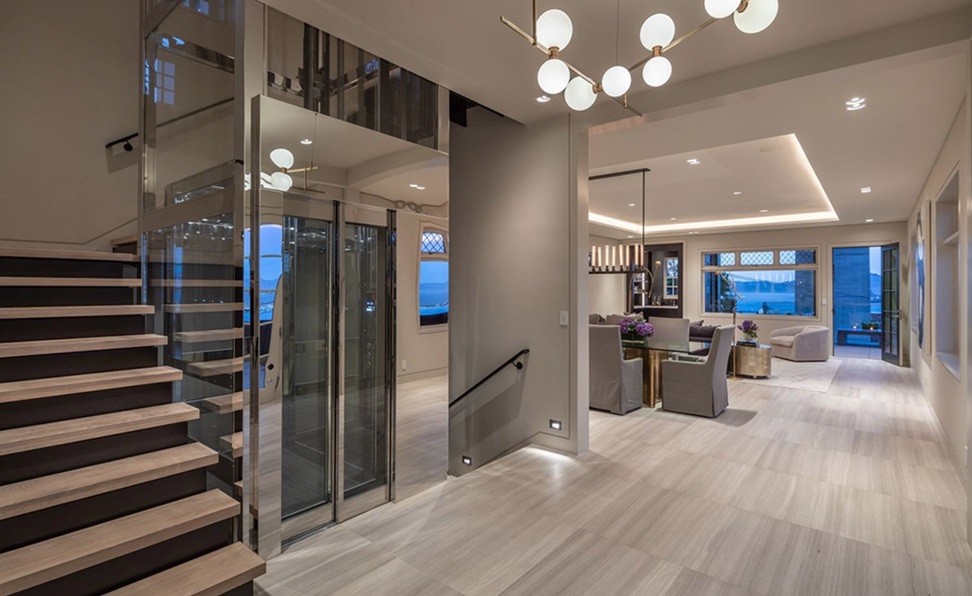
When incorporating a small home elevator, both space constraints and aesthetic appeal are vital considerations. Small home elevators typically occupy less space than traditional models, making them perfect for retrofitting into existing homes with minimal renovations. Choosing an elevator design that complements your home’s interior is equally important. Many modern elevators offer customizable options for finishes and lighting, allowing you to enhance your home’s décor and achieve a seamless look.
Budget and Cost Considerations
When selecting a home elevator, budget plays a crucial role. The cost of small home elevators can differ significantly, depending on the type, technology, and customization options. Beyond the initial purchase price, it’s important to factor in long-term maintenance and operational costs. To ensure a well-informed decision, obtain detailed quotes from multiple suppliers to compare both the upfront costs and anticipated maintenance expenses. Innovative options like those by Cube Lifts is also worth considering, as they offer a balance between modern design, energy efficiency, and affordability for residential use.
Safety and Accessibility Features
Safety is paramount when installing any elevator. Ensure your chosen elevator adheres to all safety standards and includes features like emergency stop buttons, automatic cab lighting, and a communication system. For homes with seniors or individuals with disabilities, opt for elevators with user-friendly controls, non-slip flooring, and ample lighting.
Installation and Maintenance
The ease of installation and the maintenance requirements should significantly impact your decision. Some elevator systems may necessitate extensive home modifications, while others allow for simpler installation with minimal disruption. It’s crucial to understand the maintenance schedule and service availability from your provider to ensure your elevator stays in optimal condition.
Conclusion
Choosing the right small home elevator in Reno, NV , requires careful consideration of several key factors. Begin by evaluating your specific needs and the intended frequency of elevator use. Next, research the various types of elevators available—such as hydraulic, traction, and pneumatic systems—to determine which best fits your home’s structure and your personal requirements.
Design preferences are equally important; the elevator should complement your home’s aesthetic and integrate seamlessly into its layout. Budget is another critical consideration; it’s essential to factor in not only the initial installation cost but also long-term maintenance expenses. Safety features must be paramount, ensuring the elevator complies with all local codes and regulations and includes emergency systems like battery backup and manual lowering. By thoroughly assessing these factors, you can select an elevator that enhances both mobility and convenience in your home while contributing to its overall value and aesthetic appeal. As home elevators continue to evolve, they offer an increasingly attractive option for homeowners looking to improve their lifestyle and the functionality of their homes.