Discovering the Best Laser for Sun Damage Removal
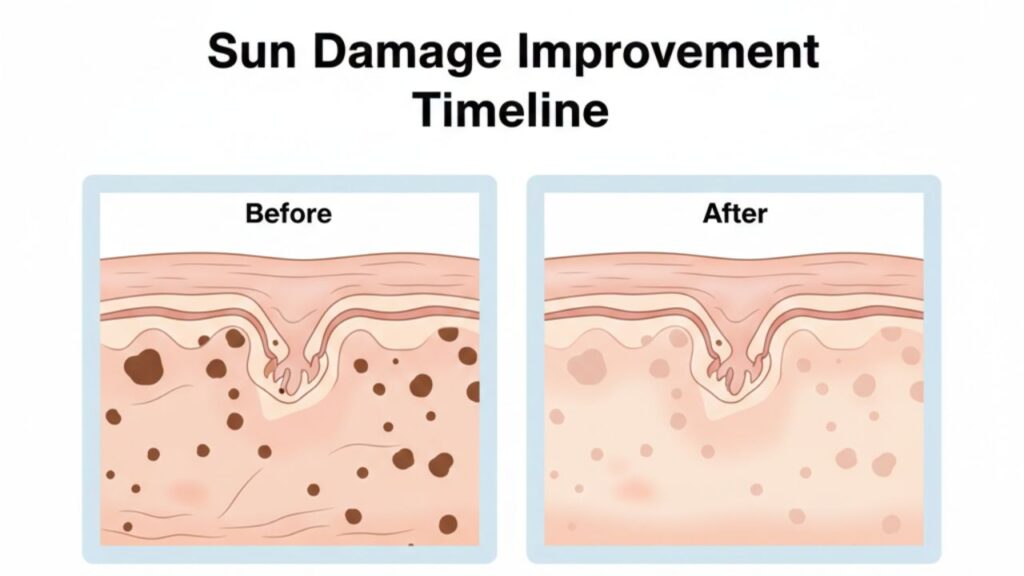
Sun-damage accumulates over years of uneven pigmentation, rough texture, fine lines and visible sunspots. Fortunately advanced laser therapy offers one of the most effective solutions to reverse these signs and rejuvenate your skin’s appearance. If you’re researching the best sun damage removal laser treatment, it’s important to understand how different technologies work and what you can realistically expect from treatment.
✅ How Laser Treatment Works for Sun-Damaged Skin
Laser and light-based treatments target the effects of chronic UV exposure by:
- Breaking down excess pigmentation and sunspots.
- Stimulating collagen production to improve skin texture and reduce fine lines.
- Removing or resurfacing damaged skin layers (in the case of more aggressive treatments) for a refreshed appearance.
Types of Lasers & Light Treatments to Consider
Here are the main options for sun-damage correction:
• Non-Ablative Lasers / Light Sources
These are gentler on the skin and ideal for mild to moderate sun damage and pigmentation. They preserve the top skin layer, which means quicker recovery. Examples: Near-IR, mid-IR lasers, broad-spectrum IPL.
• Fractional Resurfacing Lasers
These create micro-damage columns to stimulate healing and collagen production while leaving surrounding skin intact. Good for more visible texture changes or lines.
Examples: Fractional CO₂, erbium, Fraxel-type lasers.
• Ablative Lasers
Most intensive option, removing damaged outer skin layers. Best for advanced sun damage (deep sunspots, significant texture or precancerous changes). Longer downtime.
Choosing the Right Treatment for Your Skin
When evaluating which laser is “best” for you, look at these factors:
- Extent of sun damage: Mild pigment and texture → non-ablative may suffice. Deeper lines and sunspots → fractional or ablative may be needed.
- Skin type / colour: Some lasers carry higher risk of pigment changes for darker skin types choose one suited to your skin tone.
- Downtime acceptable: More aggressive treatments = more recovery time and after-care.
- Area treated: Face, neck, hands and décolletage are common. Larger areas require more sessions/cost.
- Maintenance and sun prevention: Lasers help, but ongoing sun protection is essential to keep results.
What to Expect in a Laser Sun-Damage Treatment Plan
- Consultation and skin assessment to identify damage level and suitability.
- Pre-treatment instructions (may include sun avoidance, skincare prep).
- Treatment session: discomfort varies with laser type; topical numbing often used.
- Recovery time: mild treatments may have minimal downtime; aggressive treatments could involve redness, peeling, several days of healing.
- Multiple sessions: Some treatments require 2-4 sessions spaced weeks apart for optimal effect.
- After-care: Gentle skincare, strict sun protection and possibly follow-up maintenance.
Why Professional Clinics Matter
To ensure the best laser for sun damage is used properly, choosing an established clinic with advanced equipment, experienced practitioners and accredited safety standards is key. Proper assessment, correct settings and post-treatment care are vital for results and safety.
Final Thoughts
Sun damage shows up in many ways but fortunately modern laser technologies offer powerful options to reverse much of it. By understanding the differences between non-ablative, fractional and ablative lasers, you can make an informed decision and achieve significant improvements in tone, texture and pigmentation.