How to Choose the Best Portable Battery System for You?
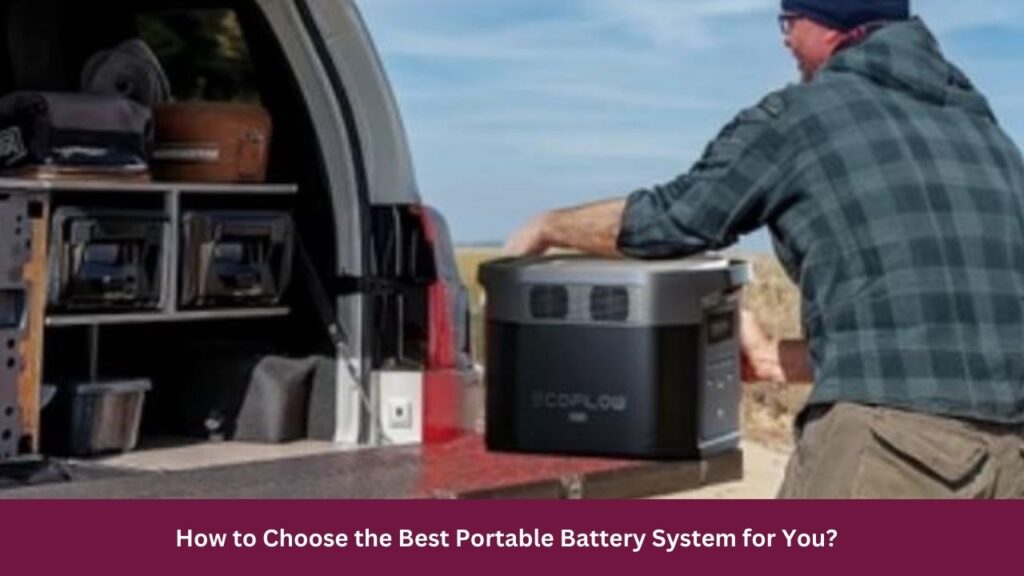
Power outages, camping trips, and outdoor adventures make portable battery systems essential. Whether you need to charge your phone during a blackout or run a mini-fridge on a road trip, the right power station can make life easier. But with so many options, how do you pick the best one? In this article, we’ll break down key factors to help you choose the perfect portable battery system for your needs.
What Should You Look for in a Portable Battery System?
Battery Capacity: How Much Power Do You Really Need?
The first thing to consider is battery capacity, measured in watt-hours (Wh). A higher Wh means more stored energy, but it also means a heavier device. For example, a 300Wh power station can charge a smartphone 20+ times, while a 1000Wh model can power a mini-fridge for hours. Think about your daily needs. If you only need to charge phones and laptops, a 200-500Wh unit is enough. But if you’re running appliances like blenders or CPAP machines, opt for 1000Wh or more. A common mistake is buying too small—running out of power mid-trip is frustrating. Always check your devices’ wattage and calculate total usage before deciding.
Port Types and Quantity: Matching Your Devices
Different gadgets need different ports. USB-A is common for older phones, while USB-C supports fast charging for modern devices. AC outlets are necessary for laptops and small appliances, while 12V carports help with car accessories. If you have multiple devices, look for a system with at least two USB ports, an AC outlet, and a 12V socket. For example, EcoFlow’s models include multiple USB-C PD ports, allowing simultaneous fast charging for phones, tablets, and laptops. A lack of ports can force you to charge devices one by one, wasting time.

Charging Speed: Fast Charging vs. Standard Options
Waiting hours for a power station to recharge is inconvenient. Some models support fast solar or wall charging, refilling in under two hours, while others take much longer. If you’re camping, fast solar input means less downtime. For example, a power station with 500W solar input can recharge fully in 3-4 hours of sunlight. Without fast charging, you might wait 8+ hours. Also, check if the device supports pass-through charging—this lets you use it while it’s recharging, which is great for emergencies.
How Do Different Portable Battery Systems Compare?
Compact Power Banks for Everyday Use
Small power banks (100-300Wh) are perfect for daily carry. They fit in a backpack and can charge phones, tablets, and even small laptops. These are great for commuters, students, or short outdoor trips. For instance, a 200Wh power bank can recharge a smartphone 10+ times—enough for a weekend getaway. However, they lack AC outlets, so they won’t power larger devices. If you only need mobile charging, a compact model saves space and weight.
High-Capacity Stations for Travel and Emergencies
For extended trips or home backup, high-capacity stations (1000Wh+) are better. They can run fridges, lights, and medical devices during outages. Some even support expandable batteries for extra runtime. Imagine a storm knocks out power—a 1200Wh station can keep your fridge running for 10+ hours. Unlike traditional 12V systems for 4wd, EcoFlow’s portable dual battery system is easy DIY installation, so you don’t need professional help. These models are bulkier but provide critical power when needed.
Which Features Are Must-Haves vs. Nice-to-Haves?
Durability and Weather Resistance
If you’re outdoors often, weather resistance matters. Look for IP-rated water and dust resistance. A rugged design prevents damage from drops, while heat-resistant batteries ensure safety. For example, a power station with an IP54 rating can handle light rain—ideal for camping. Non-weatherproof models risk damage in harsh conditions. Durability is a must-have for adventurers but less critical for indoor use.
Weight and Portability Considerations
A heavy power station is hard to carry. Models under 10lbs are easy to transport, while 30lb+ units stay mostly stationary. Consider wheels or handles if you need to move a large unit. A 5lb power bank is perfect for hiking, while a 20lb model stays in your car or RV. If portability is key, prioritize lightweight designs—unless you need high capacity, in which case, wheels help.
Conclusion
Choosing the right portable battery system depends on your lifestyle. Small power banks suit daily charging, while high-capacity stations handle emergencies and trips. Key features like fast charging, multiple ports, and durability make a big difference.
Assess your power needs, compare options, and pick a model that balances capacity, portability, and features. With the right choice, you’ll never worry about running out of power again.