How Do Solar Panels Work for Homeowners?
Sunlight hitting your roof could be doing more than just warming the shingles – it could be powering your home. At their core, solar panels work through the photovoltaic effect, where sunlight knocks electrons loose in specially treated silicon cells, creating a flow of electricity. This clean, renewable energy can then power everything from your refrigerator to your television, often with significant savings on your utility bills. Modern systems like solar panels have made this technology more accessible and efficient than ever before. Unlike the bulky, obvious panels of the past, today’s solar solutions blend seamlessly with rooftops while delivering more power per square foot. In this article, we’ll explain exactly how solar panels function, what components make up a complete system, and how homeowners can benefit from this increasingly popular technology.
Key Components of a Home Solar System
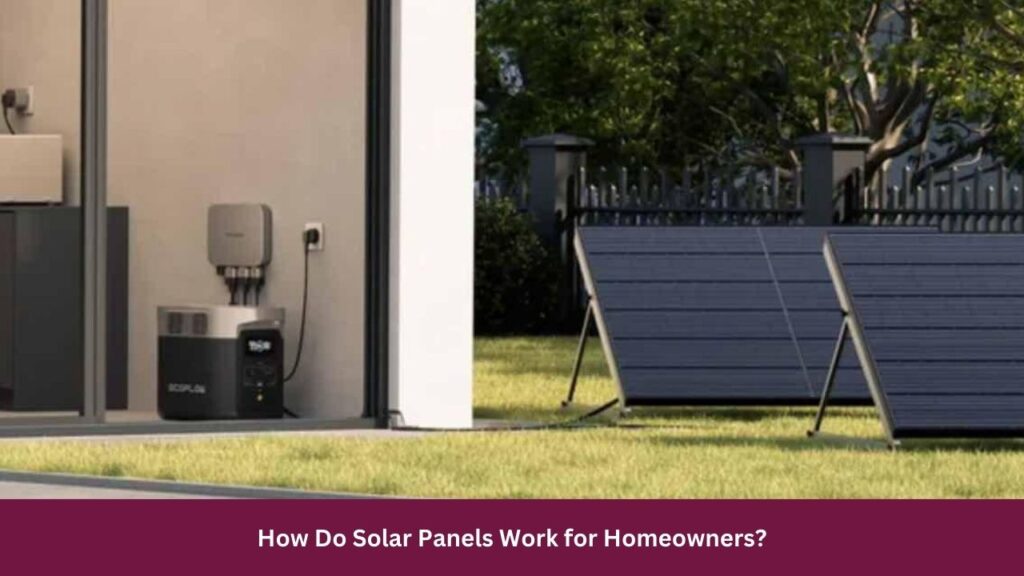
A complete home solar solution involves much more than just the panels on your roof. The panels themselves connect to an inverter that converts the direct current (DC) they produce into the alternating current (AC) your home appliances use. The electrical panel then distributes this power throughout your home, with any excess either feeding back into the grid or charging a battery storage system. For homeowners wanting true energy independence, adding storage is crucial. The solar panel system can be paired with battery solutions to store excess daytime energy for use at night or during outages. Monitoring systems complete the package, allowing you to track your energy production and consumption in real-time through smartphone apps. This full ecosystem – panels, inverters, optional storage, and monitoring – works together seamlessly to maximize your solar investment while providing backup power when needed.
Understanding Solar Energy Storage
While solar panels only produce power when the sun shines, your home needs electricity around the clock. This is where energy storage systems become valuable. During sunny afternoons when your panels generate more power than your home uses, that excess energy can charge batteries instead of being sent back to the grid. Then at night or during peak rate periods, your home can draw from these batteries rather than purchasing expensive utility power. Modern lithium-ion home batteries offer several advantages over traditional lead-acid solutions. They’re more compact, have longer lifespans (typically 10+ years), and can discharge more of their stored energy without damage. A properly sized solar-plus-storage system can power essential home circuits through overnight periods and even multi-day cloudy stretches.
Financial Benefits for Homeowners
The financial case for home solar has never been stronger. While upfront costs vary by system size and location, most homeowners see a return on investment within 6-10 years through electricity bill savings. With panels typically lasting 25+ years, that’s 15+ years of essentially free power. Many utilities offer net metering programs that credit homeowners at retail rates for excess energy fed back to the grid, further improving economics. Studies show solar homes sell for 3-4% more on average than comparable non-solar homes. When combined with available federal tax credits (currently 30% of system cost in the U.S.) and potential local incentives, the financial benefits become compelling.
Future of Home Solar Technology
The solar industry continues to innovate at a rapid pace. Next-generation panels using perovskite materials promise even higher efficiencies at lower costs, potentially making solar viable in less sunny climates. Bifacial panels that capture light on both sides could boost output by 10-20%. Building-integrated photovoltaics (BIPV) may eventually replace conventional roofing materials with solar-active alternatives. Smart home integration represents another exciting frontier. Future systems may automatically shift energy use to sunny periods or sell excess power when grid prices peak. The solar panels and similar solutions already offer smart monitoring, but coming advances could enable fully autonomous home energy management. As battery costs continue falling and efficiencies rise, solar-plus-storage systems will become standard rather than exceptional in home construction.
Installation and Maintenance Considerations
Proper installation is crucial for solar panel performance and safety. Most residential systems require roof mounting, which means evaluating your roof’s condition, angle, and sun exposure. South-facing roofs with 30-45 degree pitches typically perform best, but east/west orientations can still produce 80-90% of maximum output. Installers will also assess potential shading from trees or structures that could impact production. Once installed, solar systems require remarkably little maintenance. Occasional cleaning (especially in dusty areas or after pollen seasons) and annual inspections are typically all that’s needed. The solar panels and other quality systems are designed to withstand harsh weather, including hail up to one inch in diameter. Monitoring systems alert homeowners to any performance issues, while most components come with 10-25 year warranties for peace of mind.

Conclusion
Deciding whether to go solar involves evaluating several key factors. First, consider your roof’s solar potential – its orientation, shading, and structural soundness. Next, examine your electricity usage patterns and local utility rates to estimate potential savings. Research available incentives in your area, as these can significantly impact payback periods. Finally, think about your long-term plans – solar makes most sense for homeowners who plan to stay put for 5+ years.