Choosing the Right Tools for Clean Plastic Sheet Fabrication
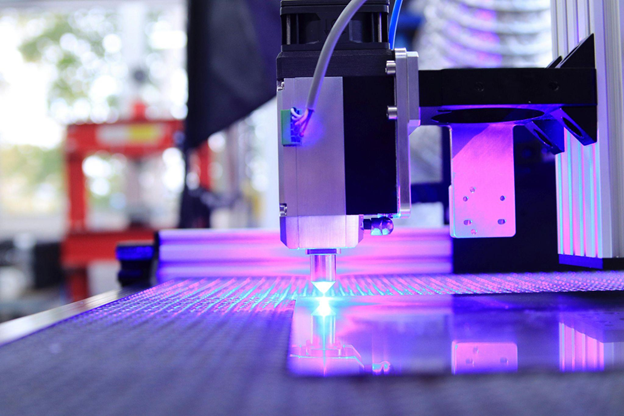
Plastic sheet fabrication sounds tidy on paper. In real life? It’s noisy, dusty, a little nerve-wracking, and oddly satisfying when it goes right. You line up the cut, take a breath, and hope the edge comes out clean instead of cloudy, chipped, or warped beyond saving.
If you’ve worked with acrylic, polycarbonate, or PETG before, you already know this: the tool matters as much as the material. Sometimes more.
This article digs into why plastic behaves the way it does, when hand tools beat power tools outright, and how to choose cutting tools that don’t punish you for rushing. Keep reading.
Why Clean Cuts in Plastic Are Harder Than They Look
Plastic isn’t forgiving. Not like wood. Not even like thin metal.
Acrylic, for example, melts at around 160°C (320°F) and softens well before that. Too much friction and the cut edge fuses back together—messy and useless. Polycarbonate stays tougher under heat, but it scratches easily, which is its own headache.
There’s also waste. According to the EPA, the U.S. generated over 35 million tons of plastic waste in 2018, and fabrication scrap plays a role in that. Clean cuts reduce rework. Less rework means less material heading to the bin.
That’s the quiet pressure behind tool choice. Precision isn’t about perfectionism. It’s about not throwing money away.
Hand Tools vs. Power Tools: What Actually Works
Power tools feel like progress. Flip a switch, hear the motor hum, watch material disappear.
But speed hides problems. For thin acrylic—say under 6 mm (¼ inch)—manual scoring tools still outperform many powered options.
A controlled score-and-snap creates less heat, fewer micro-fractures, and often a clearer edge. That’s why experienced fabricators still keep a dedicated plexiglass cutter within reach.
The A. Richard–style cutter, for instance, utilizes a hardened steel blade designed to maintain sharpness across repeated passes. That reduces slipping, wrist fatigue, and those tiny edge fractures that show up later under light. Not flashy. Just effective.
Power tools absolutely have their place. Table saws with fine-tooth carbide blades handle thicker sheets. Routers excel at curves and cutouts. Still, they demand setup and patience.
The U.S. Bureau of Labor Statistics reports that around 8% of nonfatal workplace injuries involve hand and power tools combined. Control matters. Clean cuts often come from slowing down, not speeding up.
How to Pick Tools That Don’t Sabotage the Cut
Tool selection sounds technical. It’s more intuitive than people think.
A few principles keep you out of trouble.
1. Start With the Plastic’s Personality
Acrylic transmits up to 92% of visible light, which means every flaw along the edge stands out. Cloudiness isn’t subtle. It screams.
Polycarbonate bends instead of breaking. PETG flexes and forgives. Knowing this upfront changes everything. Choose the tool after you understand how the sheet behaves.
2. Manage Heat, Even When You’re Rushing
Heat is sneaky.
Run a blade too fast, and plastic melts, then welds itself shut behind the cut. Too slow, and it chips. Finding that middle ground feels instinctive because it mostly is.
Pausing between passes helps. Letting the sheet cool helps. Annoying, yes. Effective, absolutely.
3. Lock Things Down
Vibration ruins edges faster than dull blades.
Clamp the sheet. Use a backer board. Even painter’s tape along the cut line reduces surface scratches—a small shop trick that still works. OSHA consistently flags plastic dust as an eye and respiratory irritant, especially with acrylic and PVC, so stability helps there, too.
Little adjustments. Big difference.
4. Keep Manual Tools Close
Manual tools aren’t outdated. They’re precise.
Scoring tools give feedback that power tools can’t. You feel a resistance shift. You sense when enough is enough. That tactile signal is hard to replace, even with expensive machines.
Final Thoughts
Clean plastic cuts don’t come from force. They come from restraint. From paying attention when the material starts pushing back.
Some days it’s a table saw humming steadily, dust floating in the air. Other days, it’s just a straightedge, a scoring tool, and deliberate passes that feel almost old-fashioned.
Both approaches work. The edge tells you when you listened. And once you’ve seen a cut come out right—clear, quiet, effortless—you tend to slow down next time. Kind of hard not to.