Why Should You Consult a Podiatrist for Tailor’s Bunion?
Introduction:
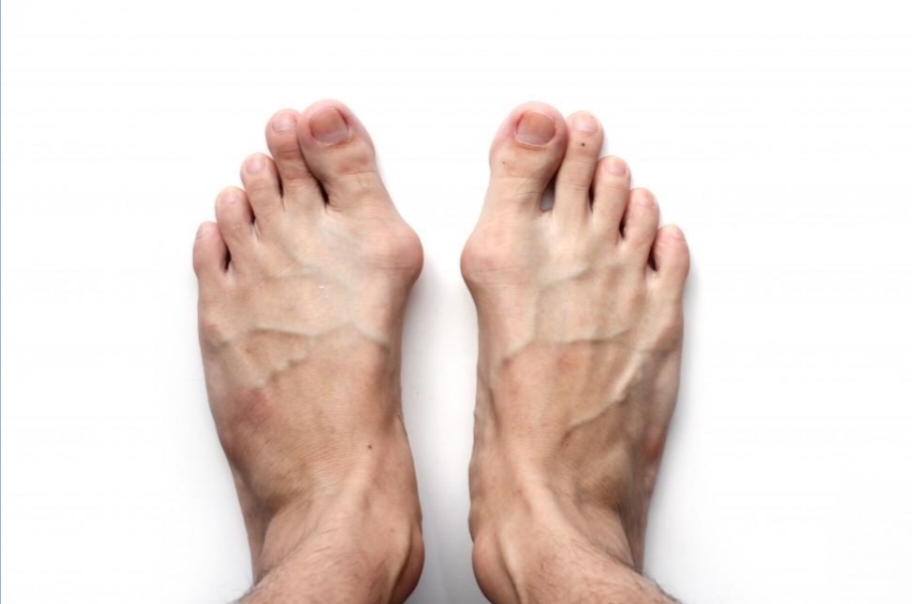
Keeping feet pain-free is essential for overall mobility and comfort. One of the most common foot conditions experienced by millions of people is a tailor’s bunion. Also known as bunionette, it is caused by inflammation at the joint of the little toe that is turned outwards. A tailor’s bunion can progressively get worse if left untreated over time, causing hindrance in day-to-day activities, as well as deteriorating quality of life. Hence, there is a need to visit a podiatrist for a tailor’s bunion for help and to end up with the proper treatment. This article will cover what actions you should take to manage and treat a tailor’s bunion and why a visit to a podiatrist is most beneficial.
Understanding Tailor’s Bunion:
A tailor’s bunion, which differs from a standard bunion that affects the big toe, forms at the base of the little toe. Genetics, footwear, or structural anomalies of the feet can lead to this condition. Persistent pressure on the foot can cause inflammation, redness and pain that makes walking and other activities painful. If you have persistent pain and swelling, you should see a podiatrist for a tailor’s bunion before the problem becomes aggravated.
Why choose a Podiatrist over any other option?
1. Accurate Diagnosis and Assessment:
A podiatrist is a doctor who specializes in treating foot and ankle problems. A podiatrist will comprehensively assess your tailor’s bunion, which involves physical exams, X-rays, and other imaging tests to gauge severity. This guarantees an accurate diagnosis and an effective individualized treatment plan.
Expert Treatment Plans:
Each tailor’s bunion case is individual,and treatment needs to be focused on the individual’s needs. These can be treated in many ways by podiatrists, including:
- Non-surgical interventions: may include custom orthotics, toe spacers, or adjusting shoes to reduce bunion pressure.
- Medication: You may be prescribed anti-inflammatory or cortisone injections to minimize pain and swelling.
- Physical therapy: Stretching and strengthening exercises can help improve foot function and relieve discomfort.
Stopping the progression of a condition:
Left untreated, a tailor’s bunion can worsen, causing lasting pain and trouble walking. A podiatrist gives preventive options to prevent the condition from getting worse so that you can continue with an active lifestyle.
When to See a Podiatrist?
Consult a podiatrist for tailor’s bunion if you have any of the following symptoms:
- Once damage sets in then, there is persistent little toe joint pain
- When swelling or redness does not resolve
- Walking or wearing shoes becomes difficult
- Formation of corns or calluses from pressure by a bunion
Treatment Options Recommended by Podiatrists:
1. Conservative Treatments:
Non-invasive methods are always the first to treat this type of bunion (tailor’s bunion) by podiatrists. This includes:
- We are given shoes with wide-toe boxes to alleviate pressure
- Applying ice packs to reduce the swelling
- Protecting the affected area with padding or bunion shields
- Custom Orthotics:
Orthotics are custom-made shoe inserts that help correct foot structure and prevent excessive pressure on specific areas, thereby alleviating pain and discomfort caused by the tailor’s bunion.
2. Surgical Intervention:
If conservative treatments fail to relieve symptoms, a podiatrist might recommend surgery. Surgery entails straightening the bone and removing excess material to fix the deformity. This is usually a procedure of last resort for terrible cases in which the bunion is causing severe pain and problems with mobility.
Advantages of Renting a Podiatrist:
- Professional Guidance: But, a podiatrist will give you expert advice based on your specific needs for a long-term solution.
- Pain Management: A podiatrist can provide treatment plans that reduce pain, allowing patients to perform daily activities more efficiently.
- Avoiding Complications: If left untreated, a tailor’s bunion can worsen and cause additional foot issues, like misalignment and added stress on the joints. Consulting a podiatrist can prevent these avoidable complications.
Conclusion:
If you do not treat it accordingly, a tailor’s bunion can be painful and affect your version of daily living. Visiting your podiatrist will help get you properly diagnosed and treated and prevent further complications. From conservative treatments to surgical options, a podiatrist can help restore your comfort and mobility. For best care and treatment, consult a podiatrist for a tailor’s bunion if you suffer from chronic pain or a problem with your foot.
FAQs:
Q1: What is a tailor’s bunion?
A: Genetic factors, improper footwear, abnormalities in foot structures, or repeated stress in the foot are the primary causes of tailor’s bunion.
Q2: Will a tailor’s bunion resolve on its own?
A: No, it does not go away without treatment. However, symptoms can be managed with proper care, shoes, and sometimes medical treatment.
Q3: When should I see a podiatrist for a tailor’s bunion?
A: You should see a podiatrist if you have pain, swelling, or trouble walking from the bunion that won’t go away.
Q4: What are some home treatments for a tailor’s bunion?
A: Ice, wide shoes, bunion pads and foot stretches may help.
Q5: Is surgical intervention the only way to treat a tailor’s bunion?
A: Surgery is only advised for severe cases. Most people get better with non-surgical treatments such as braces, physical therapy, pain management techniques, and lifestyle modifications.