What Your Cracked Concrete is Trying to Tell You
What Your Cracked Concrete is Trying to Tell You
Concrete feels unshakable. Strong. Permanent. It’s the stuff we trust to carry cars, hold up patios, and pave our sidewalks. But here’s the thing: it’s not immortal. Even concrete, as tough as it looks, eventually cracks under pressure. And when it does, it’s usually trying to tell you something.
If you live in Woodland Park, NJ, you’ve probably seen it all around. Driveways with those thin lines creeping across the surface. Sidewalks splitting unevenly. A patio corner breaking off after a long winter. Most people glance at cracks and think, “Eh, just cosmetic. Nothing serious.” But in reality? Those little lines are often signs of much bigger stories.
So, let’s talk about what your cracked concrete is really saying and why you shouldn’t ignore it.
Cracks Aren’t Just Ugly Lines
Let’s start with the obvious. Nobody likes the look of cracked concrete. It makes a home’s driveway look neglected, and it makes sidewalks look unsafe. But here’s the truth—cracks are rarely just about appearance. Concrete doesn’t crack for no reason. Something causes it. And figuring out what’s behind the break makes all the difference between a quick fix and a big problem later.
In Woodland Park, concrete is constantly stressed. Summers bring high heat, which makes concrete expand. Winters bring ice and freezing temps, which make it contract. That constant back-and-forth weakens the surface. Add water seeping inside, and you’ve got the perfect recipe for cracks. This is where concrete repair services can save the day. Instead of ignoring a small split until it becomes a tripping hazard, professionals step in early, patch it, and keep your concrete strong.
Not All Cracks Mean the Same Thing
One thing to remember—cracks aren’t one-size-fits-all. Some are harmless, some are concerning, and others are basically screaming for help.
- Hairline cracks usually happen when the concrete settles. They look like thin spiderwebs on the surface. Annoying, but not always dangerous.
- Wide cracks are more serious. These often mean there’s water damage, shifting soil, or heavy stress underneath.
- Jagged cracks or ones that make the slab uneven? That’s a major warning sign. Those often mean foundation movement or serious soil issues below the surface.
In Woodland Park, poor drainage is a huge culprit. Heavy rainstorms wash away soil under slabs, leaving hollow gaps. Once the support disappears, the concrete bends, dips, and cracks. Homeowners who put off dealing with these signs usually end up facing much bigger repair bills down the line.
Why Woodland Park Adds to the Problem
Concrete cracks everywhere, but here in Woodland Park, the odds are stacked a little higher. Why? Local conditions. First, the climate. Winters here bring ice and snow, and that means freeze-thaw cycles. Water seeps into cracks during the day, freezes at night, and expands. That tiny expansion widens cracks over time. Repeat this for a few winters, and suddenly your driveway looks like a puzzle.
Second, age. Many neighborhoods in Woodland Park aren’t brand new. Older sidewalks and patios simply weren’t built with today’s methods or materials. After decades of stress, cracks naturally appear. And finally, soil. Depending on the location, shifting soil adds pressure beneath slabs. Some spots drain poorly. Others hold too much water. Both situations weaken the concrete.
This is why you need local expertise. Fixing cracked concrete in Woodland Park isn’t the same as doing it in Arizona or Florida. A local pro knows the soil, the drainage quirks, and the climate issues specific to this area.
Cracks Can Signal Bigger Trouble
It’s tempting to ignore a crack because it feels small. But ignoring it can backfire. Water is often the sneaky villain here. Once it sneaks into a crack, the problems multiply. In winter, it freezes, pushing the crack wider. In summer, it erodes the soil beneath. Eventually, that driveway or patio starts sagging. Before long, you’re dealing with trip hazards, uneven walkways, or slabs that crumble at the edges.
There’s also the property value issue. Imagine showing your house to potential buyers, and the first thing they see is a cracked driveway. It doesn’t scream “well-maintained home.” It suggests neglect. And once buyers see one sign of damage, they often assume there’s more hiding elsewhere. That small crack can knock thousands off your asking price.
Smart Fixes That Actually Work
Here’s the good news: you don’t always need to rip everything out. In fact, most cracks can be repaired if you catch them early enough.
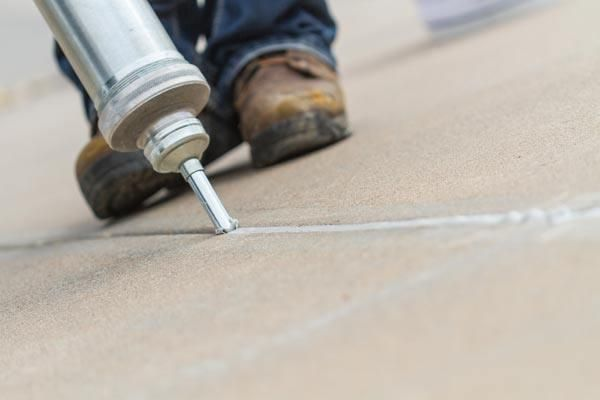
Smaller cracks can be sealed or filled using the right materials. Wider gaps may need a little more attention, but they can often be stabilized without replacing the whole slab. For larger issues, professionals sometimes lift and level the slab instead of pouring a brand-new one. That means less time, less cost, and less disruption.
DIY fixes are common, but they’re usually temporary. You patch it, and for a while it looks fine. But unless you fix the underlying cause—like soil movement or water drainage—the cracks almost always return. That’s the difference between a quick patch and a real solution.
Why Sealing Matters So Much
Here’s the step most homeowners skip. They fix the cracks but forget about protecting the rest of the surface. That’s where sealing comes in. Think of sealing as a shield. It’s not flashy, but it does the heavy lifting. It blocks water from seeping in. It protects against salt, ice melt, and chemicals that speed up damage. It even helps reduce surface wear from daily use.
This is where concrete sealing services become a game-changer. For Woodland Park homeowners, sealing is especially valuable because of the freeze-thaw cycle. By preventing water from sinking into tiny pores, you dramatically cut down on future cracks. Imagine it as sunscreen for your concrete. You may not notice the difference after one day, but years later, you’ll be glad you applied it.
Maintenance Costs Less Than Repairs
Here’s something most people overlook—staying ahead of the problem is always cheaper. Regular inspections, small fixes, and sealing every few years will save you a fortune in the long run.
Think about it. A small crack repair might cost a fraction of what full slab replacement does. Preventing water damage with sealing? Even less. Compare that with tearing out a patio or driveway, and the choice is obvious.
In Woodland Park, homeowners who stay proactive enjoy stronger, safer, and cleaner-looking concrete. Plus, there’s the added bonus of property value. A home with a smooth, well-kept driveway or walkway instantly feels more welcoming and well cared for.
How to Know It’s Time to Call a Pro
Not every little line means disaster. But there are some signs you shouldn’t ignore.
- Cracks that keep spreading.
- Gaps that get wider every few months.
- Slabs sinking, tilting, or feeling uneven underfoot.
- Puddles forming on the surface after rain.
- Edges that crumble or flake when touched.
If you notice any of these, it’s smart to call someone sooner rather than later. Woodland Park pros deal with these issues all the time. And here’s the thing—early intervention nearly always costs less.
The Bigger Picture: What Cracks Are Really Saying
At the end of the day, your concrete isn’t just breaking randomly. It’s communicating. Each crack is a message. Sometimes it’s small—“I’m settling, keep an eye on me.” Sometimes it’s urgent—“There’s water damage, act now.”
The key is listening. Ignoring the signs almost always leads to bigger, pricier problems. Paying attention, calling for help when needed, and protecting your surfaces with sealing keeps your concrete strong.
In Woodland Park, where weather, soil, and age all work against you, staying proactive is the smartest move you can make.
Final Thoughts
Concrete may look permanent, but it’s just as vulnerable to nature as anything else. Those cracks across your driveway or patio? They’re not random. They’re signals. And the sooner you respond, the less it’ll cost you.
Woodland Park’s unique mix of weather extremes and aging surfaces makes cracked concrete a common sight. But here’s the good news—you can absolutely get ahead of it. With the right repairs, regular sealing, and a little preventative care, your concrete can stay safe, solid, and good-looking for years.
So, next time you spot a crack, don’t shrug it off. It’s not just an eyesore. It’s your concrete talking. And it’s always better to listen now than to regret it later.