Step-by-Step Guide to Decorating Your Home with a Modern 2 Seater Sofa Bed
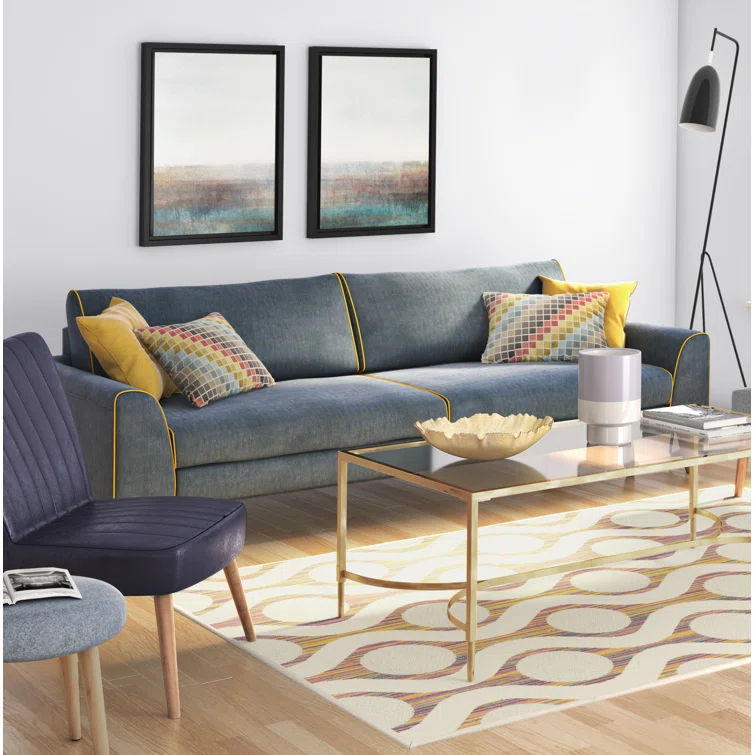
Decorating around a modern 2 seater sofa bed requires thinking differently about how furniture relates to space, and honestly, it took me several attempts to get it right. Unlike traditional sofas that stay put, these convertible pieces change the room’s dynamics when they transform, which means your decorating strategy needs to account for both configurations. I learned this the hard way when my carefully planned coffee table became a barrier every time I needed to convert the sofa to bed mode. The key is creating a flexible design scheme that works beautifully whether the piece is functioning as seating or sleeping space.
Planning Your Layout for Dual Functionality
Start by mapping out both configurations before buying any other furniture. I used painter’s tape to mark the sofa bed’s footprint in both modes on my floor, which immediately revealed potential problems with my initial furniture placement plans. The bed configuration extends about 30 inches further into the room than the sofa position, which affects traffic flow and nearby furniture placement.
Clearance requirements matter more than you might expect. Most sofa beds need at least 6 feet of clear space in front to fully extend, plus additional room for someone to walk around the bed. I initially placed my coffee table too close and had to move it every time guests stayed over, which got old fast. Now I use a lightweight side table that slides easily out of the way.
Consider sight lines from both configurations too. When the sofa bed is in bed mode, you’re viewing the room from a completely different angle and height. That beautiful wall art might be perfectly positioned for sofa viewing but awkward when you’re lying down. I ended up repositioning several pieces after realizing they didn’t work from the bed perspective.
Choosing Complementary Furniture Pieces
Modular and lightweight furniture works best around convertible pieces. Instead of a heavy coffee table, I use a round wooden side table that’s easy to move when needed. Nesting tables offer similar flexibility—they provide surface space during regular use but can be separated and relocated when the bed configuration requires more floor space.
Storage ottomans serve double duty beautifully in this setup. Mine stores extra bedding and pillows while providing additional seating when needed. When the sofa converts to bed mode, the ottoman moves to the side and becomes a bedside table for guests. This kind of adaptable furniture maximizes functionality without cluttering the space.
Floor lamps work better than table lamps in this situation because they don’t depend on nearby surfaces that might need to move. I chose a adjustable arc lamp that provides ambient lighting for the seating area but can swing over to illuminate the bed space when needed. The flexibility means one lamp serves both configurations effectively.
Creating Visual Cohesion Between Configurations
Color schemes need to work for both sleeping and sitting arrangements, which influenced my entire palette selection. I went with neutral base colors—soft grays and warm whites—that feel appropriate for both a living room and bedroom setting. Accent colors come through easily changeable elements like throw pillows and blankets.
Textile layering becomes crucial for visual interest since you have fewer large furniture pieces to provide variety. I use different textures—a chunky knit throw, smooth cotton pillows, and a textured area rug—to add depth without overwhelming the space. These soft elements also help the room feel cozy rather than sparse.
Wall treatments need to complement both configurations too. I created a gallery wall that works from both the sofa and bed viewing angles by centering it on the wall rather than positioning it specifically for one furniture arrangement. The art pieces are sized to look balanced from either perspective.
Styling Accessories for Flexibility
Accessories should enhance both the living room and bedroom functions without looking out of place in either configuration. I chose decorative elements that work in both contexts—geometric vases that feel modern and sophisticated, books that suggest both relaxation and intellectualism, and plants that bring life to any space.
Lighting layers are essential for creating the right ambiance for different uses. Table lamps provide intimate lighting for reading on the sofa, while overhead lighting works better when the space functions as a bedroom. I installed a dimmer switch so I can adjust brightness based on the current configuration and time of day.
Storage solutions should be both practical and attractive since they’ll be visible in your living space. I use decorative baskets for storing extra pillows and throws, which look intentional rather than utilitarian. A vintage trunk serves as both coffee table and blanket storage, earning its place through dual functionality.
Managing the Conversion Process Aesthetically
The transformation from sofa to bed should feel seamless rather than disruptive to your room’s design. I keep conversion-related items—extra sheets, pillows, and blankets—stored in attractive containers that blend with my decor. This way, setting up for guests doesn’t involve dragging obviously bedroom-related items through my living space.
Consider how the conversion mechanism affects your styling. Some sofa beds require removing seat cushions, while others fold out from the back. Understanding your specific model’s operation helps you plan which decorative elements need to move and where they’ll go temporarily. I have a designated spot for sofa pillows when the bed is in use.
Seasonal Adaptation and Refresh Strategies
Seasonal decorating becomes more impactful when you have fewer large pieces to update. I change throw pillow covers, blankets, and small accessories to refresh the look without major investment. Spring might bring lighter fabrics and brighter accent colors, while fall calls for richer textures and warmer tones.
The convertible nature actually makes seasonal changes easier because you can completely transform how the space feels by temporarily using it primarily as a bedroom or living area. During winter months when I entertain less, I might keep it in bed configuration longer for cozy afternoon reading sessions.