Understanding the Use of Ditch Bank Flail Mowers in Canadian Industrial and Logistics Environments
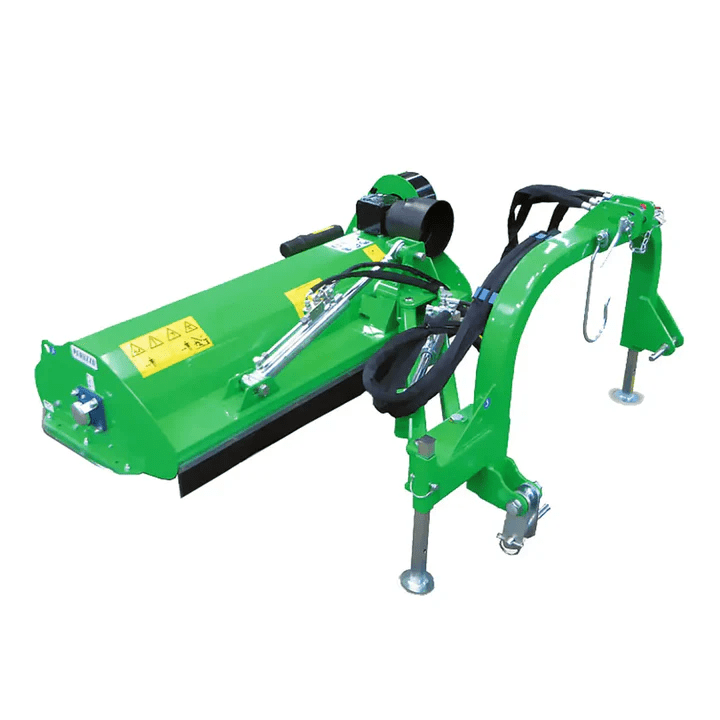
In Canada, industrial and logistics operations often extend beyond warehouse interiors to include outdoor infrastructure such as drainage systems, roadside edges, and sloped terrain. Maintaining these areas is essential for safety, regulatory compliance, and operational continuity. A ditch bank flail mower is commonly used to manage vegetation in hard to reach or angled areas where standard equipment may not be effective.
With increasing development of logistics hubs and transportation corridors, vegetation control on uneven terrain has become more important. Poorly maintained slopes and drainage channels can lead to visibility issues, water flow obstruction, and long term infrastructure damage.
Technical Overview and Common Use Cases
A ditch bank flail mower is a tractor mounted attachment designed with an extendable and adjustable arm. This allows the cutting head to operate at different angles, making it suitable for slopes, ditches, and embankments. The flail system uses multiple small blades attached to a rotating drum to cut and mulch vegetation.
Typical Applications
· Maintenance of drainage ditches around warehouses
· Vegetation control along roadways and access routes
· Clearing slopes near loading yards and storage areas
· Upkeep of utility corridors and fence lines
· Management of roadside vegetation in industrial parks
These use cases highlight the equipment’s ability to operate in areas that are not accessible with standard mowing tools.
Importance of Efficiency, Safety, and Productivity
Efficient vegetation management on slopes and ditches reduces the need for manual labor and minimizes downtime. It also ensures that critical infrastructure such as drainage systems remains functional.
· Improved water flow by preventing blockage from overgrowth
· Enhanced visibility for vehicles and operators
· Reduced risk of erosion and surface instability
· Lower maintenance frequency through consistent cutting
In Canadian climates, where seasonal changes can affect vegetation growth and soil stability, maintaining these areas is essential for year round operations.
Technical Foundations and Capability Considerations
When evaluating a ditch bank flail mower, several technical factors should be considered:
· Reach and extension range of the arm
· Angle adjustment capability for slope operation
· Tractor compatibility and power requirements
· Hydraulic system performance
· Durability of cutting components and frame
These features determine how effectively the equipment can handle different terrain conditions and operational demands.
Factors Affecting Performance and Effectiveness
Performance depends on a range of environmental and operational variables:
· Steepness and stability of the terrain
· Type and density of vegetation
· Soil moisture and weather conditions
· Operator skill and equipment setup
Proper planning and adjustment are required to maintain consistent cutting quality and operational safety.
Safety Considerations and Best Practices
Working on slopes and uneven ground introduces additional safety risks. The following best practices should be followed:
· Inspect hydraulic systems and moving parts before operation
· Ensure stability of the tractor on uneven terrain
· Maintain safe operating distances from edges and drop offs
· Use protective equipment including helmets and eye protection
· Operate within recommended speed and angle limits
Operator training is critical for understanding how to manage equipment balance and control in challenging environments.
Equipment Types, Tools, and Attachments
Ditch bank flail mowers are typically used alongside other equipment to support full site maintenance:
· Utility tractors with hydraulic systems
· Loaders for debris handling
· Grading equipment for surface correction
· Transport equipment for moving machinery between sites
This integrated approach allows for efficient maintenance of both flat and uneven areas.
Advantages and Limitations
Advantages
· Ability to operate on slopes and hard to reach areas
· Consistent cutting and mulching performance
· Reduced need for manual vegetation removal
· Improved maintenance of drainage systems
Limitations
· Higher complexity compared to standard mowers
· Requires hydraulic system compatibility
· Performance may decrease in extremely dense vegetation
· Operator skill significantly affects results
For broader land management and equipment solutions, explore reliable options from industrial suppliers like TMG Industrial equipment solutions, including products such as the Peruzzo FOX CROSS 1600 Ditch‑Bank Flail Mower with 58″ Cut Width, Hydraulic Offset.
Real World Application Example
In a transportation and logistics facility in Western Canada, a ditch bank flail mower was used to maintain roadside ditches and sloped drainage channels. By implementing scheduled maintenance, the facility improved water flow and reduced erosion risks. This contributed to safer access routes and fewer disruptions during seasonal weather changes.
Conclusion and Future Industry Trends
Ditch bank flail mowers provide a practical solution for maintaining complex terrain in industrial and logistics environments. As infrastructure expands and environmental regulations evolve, the need for efficient vegetation management will continue to increase.
Future developments may include improved hydraulic efficiency, enhanced operator control systems, and integration with maintenance planning technologies. Understanding how to use and maintain this equipment will remain important for industrial professionals and procurement teams.
For further technical reference, readers may review detailed specifications and operational information available through resources such as the Ditch Bank Flail Mower product page.






