Effects of a Clogged Evaporator Coil in an Air Conditioner
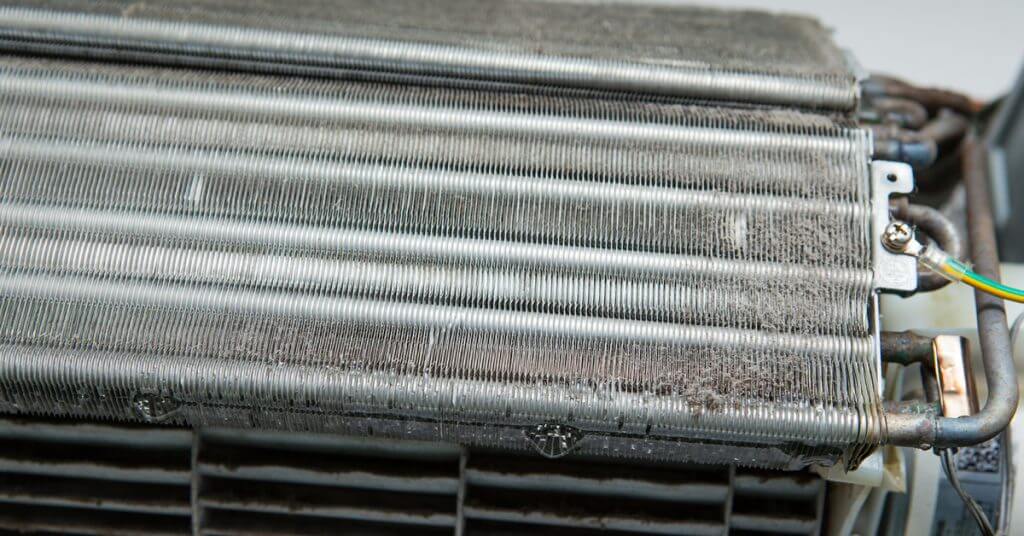
Air conditioners are crucial for maintaining indoor comfort, especially during the sweltering summer months. However, they require regular maintenance to function efficiently. One of the most critical components of an air conditioning system is the evaporator coil, which is responsible for absorbing heat from the indoor air. Over time, this coil can become clogged with dirt, dust, mold, and debris, leading to a range of performance issues. In this blog, we will discuss the effects of a clogged evaporator coil, why it happens, and how to prevent and address it.
What Is an Evaporator Coil and How Does It Work?
The evaporator coil is a key component of an air conditioner’s cooling system. It is located inside the air handler or furnace and works in tandem with the condenser coil to remove heat from the indoor environment. The refrigerant inside the evaporator coil absorbs heat from the air passing over it, cooling the air before it is circulated back into the living space. However, when the evaporator coil becomes clogged, this process is significantly hindered, resulting in reduced efficiency and potential system failure.
What Causes an Evaporator Coil to Become Clogged?
A clogged evaporator coil typically occurs due to the accumulation of dirt, dust, pet hair, and other airborne particles. Several factors contribute to coil clogging, including:
- Dirty Air Filters – A dirty or neglected air filter allows more debris to reach the evaporator coil, leading to buildup.
- Poor Maintenance – Failing to schedule routine AC maintenance can cause dust and grime to accumulate on the coil.
- High Humidity Levels – Excess moisture in the air can lead to mold and mildew growth on the coil.
- Blocked Drain Line – A clogged condensate drain can cause water to back up and contribute to debris buildup on the coil.
- Operating in a Dirty Environment – Air conditioners in dusty areas or near construction zones tend to have dirtier coils.
Effects of a Clogged Evaporator Coil
A clogged evaporator coil can cause multiple problems for an air conditioning system, including reduced cooling efficiency, increased energy consumption, and even system failure. Below are the major consequences of a dirty or clogged coil.
1. Reduced Cooling Efficiency
When the evaporator coil is clogged, it cannot effectively absorb heat from the indoor air. This leads to poor cooling performance, making the AC work harder to reach the desired temperature. As a result, homeowners may notice uneven cooling and increased discomfort.
2. Higher Energy Bills
Since the system must work harder to compensate for the reduced heat absorption, it consumes more energy. This inefficiency translates into higher utility bills. An AC unit with a clogged evaporator coil requires longer running cycles, driving up energy costs significantly.
3. Increased Strain on the Compressor
The compressor is one of the most expensive components of an air conditioning system. When the evaporator coil is clogged, the compressor must run longer to maintain proper cooling. This added strain can lead to compressor overheating and premature failure, resulting in costly repairs or replacements.
4. Freezing of the Evaporator Coil
A clogged evaporator coil can also cause it to freeze over. When airflow is restricted due to dirt and debris, the coil can become excessively cold, leading to ice formation. This ice buildup further reduces efficiency and may eventually cause the entire system to shut down.
5. Poor Indoor Air Quality
A dirty evaporator coil can harbor mold, mildew, and bacteria, which can circulate through the HVAC system and into the indoor air. This can lead to allergy flare-ups, respiratory issues, and unpleasant odors in the home. Poor indoor air quality can be especially problematic for individuals with asthma or other respiratory conditions.
6. Water Leakage and Moisture Problems
A clogged evaporator coil can cause condensation to build up, leading to water leaks. If the condensate drain is also blocked, the water may overflow and damage flooring, walls, and ceilings. Excess moisture can contribute to mold growth, creating a hazardous environment in the home.
7. Shortened Lifespan of the AC Unit
Continuous operation under stress due to a clogged coil can significantly reduce the lifespan of the air conditioner. Components such as the compressor, fan motor, and other essential parts wear out faster, leading to more frequent breakdowns and costly repairs.
How to Prevent a Clogged Evaporator Coil
Regular maintenance and preventive measures can help keep the evaporator coil clean and free from clogs. Here are some essential steps to follow:
1. Change Air Filters Regularly
Replacing the air filter every one to three months is one of the most effective ways to prevent dirt and debris from reaching the evaporator coil. High-efficiency filters can capture more dust and improve air quality.
2. Schedule Routine HVAC Maintenance
Professional HVAC maintenance at least once a year ensures that the evaporator coil and other critical components are cleaned and inspected. Technicians can remove any buildup and identify potential issues before they worsen.
3. Keep the Surrounding Area Clean
Ensure that the area around the air handler or furnace is clean and free of dust. This reduces the likelihood of debris getting into the system.
4. Clean the Coil Periodically
Homeowners can use a soft brush or vacuum to remove light dust from the coil. However, for deeper cleaning, a professional HVAC technician should be called to use special coil cleaners and tools.
5. Maintain Proper Humidity Levels
Using a dehumidifier can help control indoor humidity and prevent mold and mildew from growing on the evaporator coil.
6. Check the Condensate Drain
Regularly inspect the condensate drain line to ensure it is not clogged. If water is not draining properly, use a wet/dry vacuum or a mixture of vinegar and water to clear the blockage.
What to Do If Your Evaporator Coil Is Clogged
If you suspect that your evaporator coil is clogged, take the following steps:
- Turn Off the AC Unit – Prevent further damage by shutting down the system.
- Inspect the Air Filter – If the filter is dirty, replace it immediately.
- Check for Ice Formation – If the coil is frozen, allow it to thaw completely before restarting the system.
- Call a Professional HVAC Technician – A professional can safely clean and restore the evaporator coil to proper working condition.
ConclusionA clogged evaporator coil is a serious issue that can lead to reduced efficiency, higher energy costs, poor indoor air quality, and even system failure. Regular maintenance, timely filter changes, and professional servicing can help prevent clogging and keep your air conditioner running smoothly. If you experience cooling problems or notice signs of a clogged coil, don’t hesitate to contact an HVAC professional to restore your system’s efficiency and prolong its lifespan. Investing in preventive care today can save you from costly repairs and discomfort in the future!