Are Electric Bikes Street Legal in the U.S.? State-by-State Insights
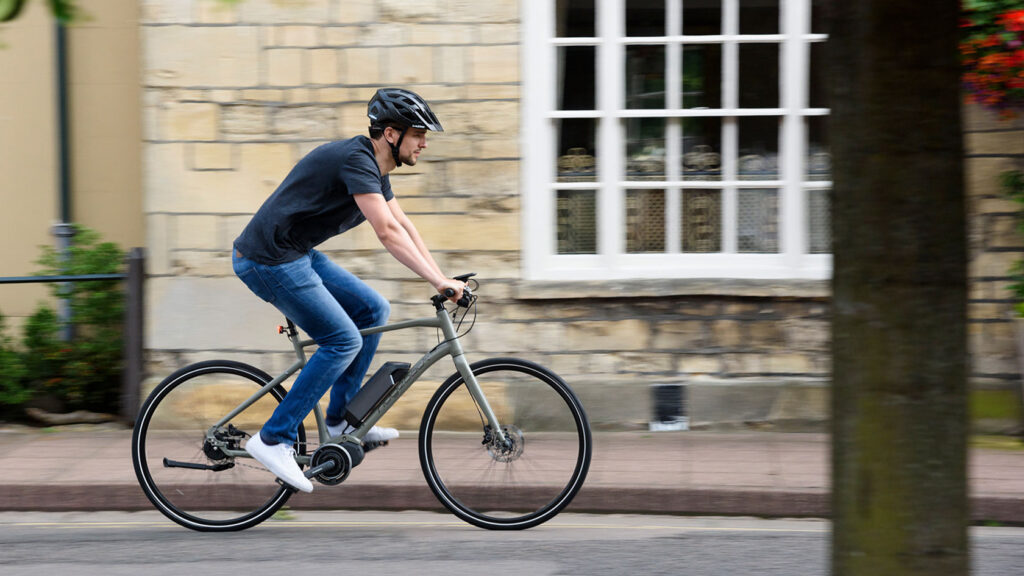
Electric bikes, commonly known as e-bikes, have grown exponentially in popularity across the United States in recent years. They provide a convenient, eco-friendly, and versatile way for commuting, exercising, and exploring new areas. With the rise of e-bike usage, a question often arises among new riders and adult cyclists alike: are electric bikes street legal? The answer is not a simple yes or no—it varies depending on state laws, local ordinances, and the type of e-bike you ride. For adults considering an e-bike for commuting or leisure, understanding the legal landscape is essential to ensure a safe and compliant ride.
Understanding eBike Classifications
Most states in the U.S. have adopted a three-class system for electric bikes to clarify where they can be used and under what conditions.
- Class 1 e-bikes are pedal-assist only. The motor engages only when the rider is pedaling and stops assisting once the bike reaches 20 mph.
- Class 2 e-bikes have a throttle system that allows riders to engage the motor without pedaling. Like Class 1, the motor stops assisting at 20 mph.
- Class 3 e-bikes are pedal-assist only but provide assistance up to 28 mph. Riders must generally be at least 16 years old to operate Class 3 e-bikes, and helmet use is often required.
These classifications help riders understand the level of motor assistance, potential speed, and the legal places to ride, making them especially useful for adults new to e-biking.
Federal Guidelines for Electric Bikes
At the federal level, the Consumer Product Safety Commission (CPSC) defines an electric bicycle as a bike equipped with:
- A motor of 750 watts (1 horsepower) or less
- A top speed not exceeding 20 mph when powered solely by the motor
Bikes that meet these requirements are considered bicycles rather than motor vehicles, meaning they generally do not require registration, insurance, or a driver’s license. However, these federal rules do not override state and local regulations. Adult riders should always verify their local laws to avoid fines or restricted use.
State-by-State Legal Landscape
California
California has one of the most detailed e-bike regulatory frameworks. The state allows all three classes of e-bikes on public roads and designated bike lanes. Key points include:
- Class 3 e-bikes cannot be used on bike paths or multi-use trails unless local authorities allow it.
- Motor power must not exceed 750 watts.
- Riders under 18 must wear a helmet.
Local jurisdictions may have additional restrictions, so it’s important for adults purchasing an adult ebike to check municipal rules, especially in urban areas with heavy bike traffic. California’s laws reflect a balance between safety and accessibility, making it one of the most e-bike-friendly states for adults.
New York
New York permits Class 1 and Class 2 e-bikes on public roads and bike lanes. Class 3 e-bikes are legal on roads but are restricted from multi-use paths. Requirements include:
- Riders under 14 are prohibited from operating Class 3 e-bikes.
- Helmets are mandatory for all riders.
- Maximum motor output is 750 watts.
Given New York City’s dense urban environment, knowing where e-bikes are allowed is especially important for adults who rely on their ebike for adults commuting.
Florida
Florida allows all three classes of e-bikes on public roads and bike lanes, making it one of the more permissive states. Riders must be at least 16 years old for Class 3 e-bikes. While helmets are not legally required for riders over 16, wearing one is highly recommended. Local ordinances may impose restrictions on trails and shared paths, so adult riders should confirm regulations for their specific area.
Texas
Texas permits Class 1 and Class 2 e-bikes on public roads and bike lanes. Class 3 e-bikes are allowed on roads but prohibited on bike paths unless explicitly allowed by local law. Key points:
- Riders under 15 cannot operate Class 3 e-bikes.
- Helmets are required for riders under 18.
- Motor output must not exceed 750 watts.
Adult riders considering an e-bike for commuting should be aware that municipal regulations may vary, particularly in larger cities like Austin and Houston.
Colorado
Colorado allows all three classes of e-bikes on public roads and designated bike lanes, but Class 3 e-bikes cannot be used on bike paths unless local rules allow it. Helmets are mandatory for all riders, and riders under 16 cannot operate Class 3 e-bikes. Colorado’s mountainous terrain makes electric bikes especially useful for adult riders who want to navigate hills without excessive effort.
Other States
- Oregon: Class 1 and 2 e-bikes allowed on roads and bike lanes; Class 3 permitted on roads but restricted on trails unless allowed locally.
- Washington: All three classes allowed on roads and bike lanes; Class 3 restricted from trails unless local exceptions apply.
- Nevada: Class 1 and 2 allowed; Class 3 allowed on roads but restricted on multi-use paths.
Across the country, while the federal definition provides a baseline, states and municipalities define where and how e-bikes can be used. Adult riders need to pay attention to local ordinances, as trail access, helmet requirements, and age restrictions can differ.
Safety and Compliance for Adult Riders
Even if your e-bike is technically street legal, following safety best practices is essential:
- Always wear a helmet, especially if riding a Class 3 e-bike.
- Follow traffic laws and signals.
- Use lights and reflective gear for visibility.
- Respect pedestrian right-of-way and trail rules.
For adult riders, knowing your bike’s classification, top speed, and motor power is key to staying within the legal limits. Models like the Viribus Step Through and BZ1 demonstrate how adult ebikes can combine power, comfort, and compliance with regulations, making them suitable for both urban commuting and recreational rides.
Choosing the Right E-Bike for Adults
When selecting an ebike for adults, consider factors beyond legality:
- Motor type and power: Hub motors are simpler and quieter, while mid-drive motors integrate with gears for more efficient hill climbing.
- Battery range: Determine how far you need to travel on a single charge. Many adult e-bikes offer 25–45 miles of range depending on assist level.
- Gear system: Bikes equipped with multiple gears, such as Shimano 7-speed derailleurs, allow better adaptation to terrain and speed.
- Comfort and suspension: Front suspension forks and ergonomic frames enhance ride comfort, particularly on rough roads.
Understanding these features ensures that your adult e-bike is not only street legal but also practical and enjoyable for everyday use.
Conclusion
So, are electric bikes street legal? The answer is yes, in most cases, but it depends heavily on the state, local rules, and e-bike classification. Adult riders should familiarize themselves with state laws, helmet requirements, and trail restrictions to ensure safe and compliant rides.
E-bikes offer unparalleled convenience for commuting, recreation, and fitness, and understanding their legal and technical aspects helps riders make informed choices. By selecting a properly classified adult ebike, following safety guidelines, and respecting local laws, riders can confidently enjoy the benefits of modern e-biking across the United States.