Emergency Safety Showers: Installation Guidelines for Maximum Efficiency
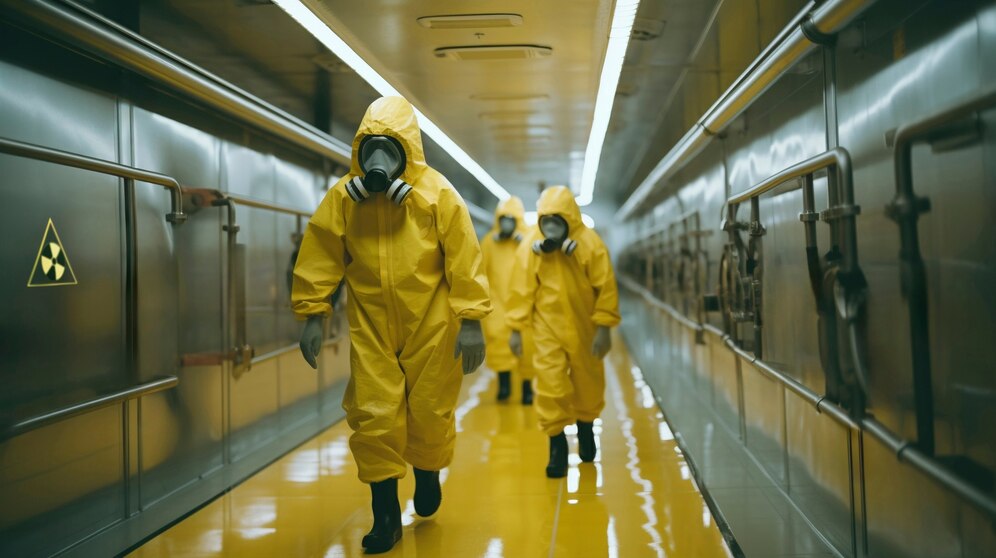
In any workplace dealing with hazardous materials, the presence of an emergency safety shower is not just a regulatory requirement but a vital aspect of employee safety. Properly installed and maintained emergency safety showers ensure rapid decontamination, reducing the risk of severe injuries or chemical burns. However, achieving maximum efficiency requires more than just purchasing a safety shower—it demands strategic planning, precise installation, and regular maintenance.
This guide outlines the essential considerations and best practices for installing emergency safety showers, maximizing their efficiency and compliance with safety standards.
Understanding Emergency Safety Showers
Emergency safety showers are designed to provide immediate on-site decontamination for individuals exposed to harmful substances, such as corrosive chemicals or fire hazards. These showers are a critical component of emergency response systems, ensuring that workers can quickly flush contaminants from their skin, clothing, or eyes.
Key Features of Emergency Safety Showers:
- High Flow Rate: Ensures rapid decontamination.
- Durability: Built to withstand harsh environments and frequent use.
- Accessibility: Must be reachable within seconds in case of an emergency.
Guidelines for Installing Emergency Safety Showers
1. Identify the Right Location
The location of your emergency safety shower is critical for ensuring timely access.
- Proximity to Hazardous Areas: The shower should be located no more than 10 seconds (roughly 55 feet) from potential hazards.
- Unobstructed Access: Ensure there are no obstacles, such as equipment or doors, which might hinder access.
- Temperature Considerations: In colder climates, position the shower in a heated or insulated area to prevent freezing and ensure functionality year-round.
2. Compliance with Standards
Installations must adhere to regulatory requirements, such as the ANSI/ISEA Z358.1 standard in the United States.
- Flow Rate: The shower should deliver a minimum of 20 gallons per minute at a tepid temperature (60-100°F).
- Testing Protocols: Conduct weekly activation tests and annual inspections to verify performance and compliance.
3. Plumbing and Water Supply
Reliable water supply and proper plumbing are essential for the effectiveness of an emergency safety shower.
- Adequate Water Pressure: Ensure the system delivers consistent water flow without pressure fluctuations.
- Continuous Supply: Connect the shower to a water source that provides at least 15 minutes of uninterrupted flow.
- Corrosion-Resistant Materials: Use stainless steel or other durable materials to prevent pipe corrosion.
Factors to Optimize Efficiency
1. Temperature Control
Water temperature is a critical factor for effective decontamination. Tepid water prevents shock or additional injury to the user while ensuring thorough flushing.
- Thermostatic Mixing Valves: Install these to maintain a consistent water temperature.
- Insulation: Insulate pipes to protect water from temperature extremes, especially in outdoor installations.
2. User Accessibility
Emergency safety showers must accommodate all users, regardless of physical ability.
- Clear Signage: Use universally recognized symbols and instructions to mark the shower location.
- Ease of Activation: Equip the system with a simple, intuitive pull-handle or push-plate mechanism.
- Height Considerations: Install the shower head at a height that ensures effective coverage for users of different statures.
Additional Considerations for Specialized Environments
1. Corrosive or Flammable Substances
In environments where corrosive or flammable chemicals are handled, additional safety measures should be implemented.
- Chemical-Resistant Coatings: Use materials resistant to corrosion from chemicals.
- Explosion-Proof Equipment: For areas with flammable gases or vapors, install explosion-proof safety showers.
2. Outdoor Installations
For outdoor installations, consider environmental factors that could impact the functionality of the safety shower.
- Weatherproof Enclosures: Protect the system from rain, snow, and UV exposure.
- Freeze Protection: Include heating elements or self-draining systems to prevent freezing in cold climates.
Maintenance and Testing for Long-Term Efficiency
1. Regular Testing
Frequent testing ensures that the emergency safety shower remains operational when needed.
- Weekly Activation: Test the shower weekly to verify flow rate and remove stagnant water.
- Annual Inspections: Conduct a comprehensive inspection yearly, checking for leaks, corrosion, and compliance with standards.
2. Cleaning and Sanitization
Periodic cleaning prevents the buildup of contaminants or debris in the system.
- Disinfectant Solutions: Use approved cleaning agents to sanitize the shower components.
- Debris Removal: Clear the drain and pipes of any blockages to maintain optimal performance.
3. Employee Training
Even the best-installed emergency safety shower is ineffective if employees do not know how to use it.
- Drills and Simulations: Conduct regular safety drills to familiarize employees with the showers’ location and operation.
- Instructional Signage: Provide clear, step-by-step usage instructions near the unit.
Common Installation Mistakes to Avoid
- Insufficient Water Supply
- Ensure that the plumbing can handle high flow rates without pressure drops.
- Blocked Access
- Avoid placing the shower behind doors, equipment, or furniture.
- Non-Compliant Installation
- Failing to meet ANSI/ISEA Z358.1 or other relevant standards can result in fines and compromised safety.
- Ignoring Environmental Factors
- Overlooking temperature control or weatherproofing can render the shower ineffective in extreme conditions.
The Role of Emergency Safety Showers in Workplace Safety
An emergency safety shower is more than just equipment; it is a cornerstone of workplace safety culture. By ensuring proper installation, regular maintenance, and adherence to safety standards, businesses can protect their employees and reduce the risks associated with hazardous substances.
Properly installed emergency safety showers not only save lives but also improve compliance with occupational safety regulations. Companies prioritizing these installations send a clear message that employee well-being is their top priority.
Investing in Safety
The effectiveness of an emergency safety shower depends on meticulous planning, strategic installation, and rigorous upkeep. Businesses should view this investment as a long-term commitment to workplace safety and regulatory compliance.
If you’re looking to install or upgrade your emergency safety shower system, consulting with professionals experienced in industrial safety equipment can make all the difference. Prioritize safety today to prevent accidents tomorrow.