Start Your Day Right: Heart-Healthy Breakfast Ideas
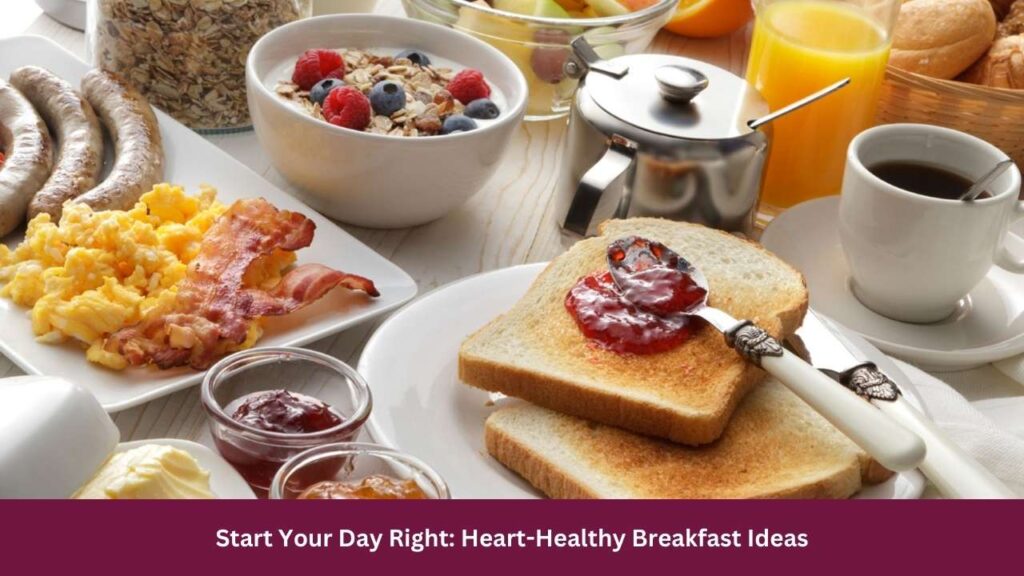
Why do cardiologists pay so much attention to what you eat before 9 AM? Because morning meals influence heart health more than lunch or dinner.
What you choose to eat after waking up sets biochemical patterns that affect your cardiovascular system for hours afterward.
The science behind timing your first meal
Our bodies follow natural rhythms that affect how we process food. Eating within two hours of waking helps regulate blood sugar levels throughout the day. This timing matters because stable blood sugar means less stress on your heart.
That doesn’t mean everyone should eat at the same time. If you’re an early bird, do it around 7 AM, but if you’re a night owl, better wait till 9 AM. Your personal body clock affects how your metabolism functions.
Think beyond oatmeal
Forget plain oatmeal. Try black rice porridge instead. This ancient grain contains anthocyanins that reduce arterial plaque buildup. It cooks at about the same time as steel-cut oats but offers more protective compounds. And if you rarely include Persimmons in your breakfast menus, try them more often. These orange fruits contain twice the heart-healthy fibre of apples and unique tannins that help lower blood pressure. You can slice one atop yogurt or blend it into smoothies.
Savory breakfast bowls using amaranth create a perfect base for heart-friendly toppings. This tiny seed contains more protein than most grains and helps reduce “bad” cholesterol. Try it with roasted vegetables and a drizzle of extra virgin olive oil from Italy for added heart protection.
That Italian virgin olive oil deserves special mention. Studies show it contains specific polyphenols that protect blood vessels from oxidative damage. Just one tablespoon with breakfast can improve cardiovascular markers.
The protein-lipid balance
Most people focus on protein quantity, but quality matters more for heart health. Plant proteins from hemp seeds, lupini beans, and pumpkin seeds contain arginine, which helps blood vessels dilate properly. Pairing proteins with the right fats makes a big difference. Omega-3 fatty acids from walnuts or ground flaxseed enhance protein absorption while reducing inflammation. A tablespoon of either adds minimal calories but significant heart benefits.
Few consider sardines for breakfast, but cardiologists often recommend them. These small fish deliver concentrated heart-protective compounds without the mercury concerns of larger fish. Mash them on whole-grain toast with avocado for a quick, heart-healthy meal.
Morning protein helps stabilize blood sugar throughout the day. This reduces insulin spikes that damage blood vessels over time. Aim for at least 15 grams at breakfast, but not more than 30.
Fat timing matters, too. Consuming healthy fats in the morning leads to better processing than the same fats eaten at dinner. This means less arterial impact from dietary fats.
Quick assembly strategies for busy mornings
Freezer-friendly breakfast options save precious minutes. Prepare frozen smoothie packs with heart-healthy ingredients like berries, spinach, and ground flaxseed. Just add liquid and blend.
Overnight jars work wonders for morning routines. Layer chia seeds, unsweetened yogurt, and fruit in glass containers. By morning, you’ll have a calcium-rich, fiber-packed breakfast ready to grab.
Batch-cook whole grains on weekends. Store in refrigerator containers for quick reheating. Add different toppings each day to prevent boredom.
Three-ingredient combos can be lifesavers. Try:
- Avocado + whole grain toast + cayenne pepper
- Plain yogurt + walnuts + berries
- Hard-boiled egg + kimchi + whole grain crackers
These simple combinations deliver impressive heart benefits without complicated preparation.
Learn the power of preparation. Set out dry ingredients the night before to save crucial morning minutes. This small habit often determines whether you make heart-healthy choices or grab something convenient but harmful.
Break breakfast rules that don’t serve your heart
Who says breakfast must be sweet? Many cultures prioritize savory morning meals, and heart health research supports this approach. Sugar spikes from traditional American breakfasts create inflammation that damages blood vessels.
Dinner leftovers often make excellent breakfasts. That vegetable curry or bean soup delivers more heart-protective nutrients than most breakfast foods. Reheating takes minutes and provides sustained energy.
The “eat like a king at breakfast” rule doesn’t work for everyone. Some people benefit from smaller morning meals. Pay attention to how different breakfast sizes affect your energy and hunger throughout the day.
Summary
Morning food choices create ripple effects throughout your day. That bowl of sugary cereal might seem harmless, but it triggers inflammation that affects your cardiovascular system for hours.
Start small with changes. Replace one problematic breakfast item with a heart-friendly alternative. Once that becomes routine, tackle another. Your heart responds quickly to dietary improvements, often within weeks.