How Drones Reduce Response Times and Improve Safety for First Responders
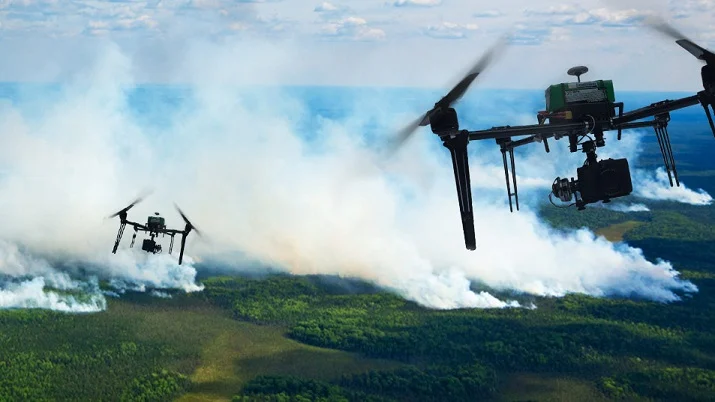
First responders face critical challenges in ensuring quick and safe emergency responses. But how can technology bridge the gap in these life-or-death situations? Let’s see how these can enhance their effectiveness while minimizing risks.
Drones for first responders have become an indispensable partnership in this domain, providing unparalleled support during emergencies. Their ability to gather crucial data and navigate inaccessible areas helps reduce delays and protect responders in dangerous conditions. Below are some ways this transformative technology redefines emergency operations, offering previously unattainable solutions.
Faster Access to Hard-to-Reach Locations
Emergencies often occur in locations that are difficult to access. Whether it’s rugged terrain, flooded zones, or areas blocked by debris, these situations can significantly delay rescue efforts. These aerial devices offer a practical solution by quickly reaching such locations.
Equipped with advanced cameras and sensors, these aerial devices provide real-time visuals, enabling teams to assess situations promptly. Drones’ speed and efficiency allow response teams to act faster, saving valuable time that could make the difference between life and death. They can also relay critical information to teams, helping them prepare better before physically entering hazardous zones.
Improving Decision-Making with Real-Time Data
Accurate and timely information is crucial during emergencies. Traditional methods of gathering data, such as ground surveys or manual inspections, are often slow and inefficient. Aerial systems excel in this area by delivering high-resolution images, thermal readings, and even 3D mapping in real-time.
This immediate access to information enables emergency teams to evaluate conditions quickly and make informed decisions. For example, drones can identify structural weaknesses in buildings or locate stranded individuals in dense environments. This ensures that responders focus their efforts where needed.
Enhancing Visibility in Low-Light or Hazardous Conditions
Emergencies do not always happen in ideal conditions. Low visibility caused by smoke, darkness, or adverse weather can complicate rescue operations. Drones with thermal imaging cameras and night vision capabilities offer a reliable alternative. These tools allow responders to identify heat signatures or movement, even in pitch darkness or through dense smoke.
Reducing Risks for Emergency Teams
The safety of emergency responders is a critical concern in every operation. Entering unassessed danger zones can expose them to numerous hazards, including toxic environments, structural collapses, or hostile situations. Using Aerial surveillance tools as an initial reconnaissance tool minimizes these risks, offering a safer approach to handling emergencies.
Key ways drone services reduce risks for emergency teams:
- Preliminary Area Assessment
Drones can quickly survey dangerous zones, providing crucial visuals before personnel are deployed. This ensures teams comprehensively understand the terrain and conditions they are about to encounter.
- Minimized Exposure to Hazards
Drones reduce responders’ direct exposure by identifying threats such as gas leaks, structural weaknesses, or hazardous materials. This capability significantly lowers the likelihood of injuries during the initial stages of response.
- Enhanced Strategy Planning
Real-time data from drones allows teams to develop safer and more effective intervention strategies before entering the area. These insights enable teams to allocate resources and personnel more efficiently during critical operations.
- Increased Operational Safety
As an additional layer of protection, drones help responders navigate challenging conditions with reduced risk of injury. They can also monitor ongoing situations to provide continuous updates, ensuring safety protocols are maintained throughout the mission. Drones for first responders improve operational efficiency and prioritize the safety of emergency teams, ensuring critical missions are handled with minimal danger.
Streamlining Communication and Coordination
Effective communication is essential during emergencies, especially when multiple teams are involved. Drones can streamline coordination by providing a unified perspective of the situation. Drones transmit live footage and data to central command centers, enabling all stakeholders to remain updated and aligned.
Cost-effective Solution for Rapid Deployment
Budget constraints are a common challenge for emergency response teams. Deploying heavy machinery or extensive manpower for every incident can quickly exhaust resources. Aerial systems offer a cost-effective alternative that provides maximum impact with minimal investment. Their lightweight design and ability to cover large areas quickly make them an ideal choice for various scenarios.
Finding the Right Tools for Emergency Response Teams
Choosing the right technology is essential for ensuring successful emergency operations. When it comes to drones, not all models are created equal. Emergency response teams require devices specifically designed to meet their unique challenges. These drones should offer features like real-time data transmission, thermal imaging, and durable construction to handle unpredictable environments.
Look for a provider that understands the needs of first responders and offers solutions tailored to this field. Companies specializing in aerial tools for emergency services often provide advanced models equipped with cutting-edge technology. Additionally, many offer training and support, ensuring teams can maximize the potential of these tools.
Drones for first responders have proven to be a game-changer for safety and efficiency. These tools enable first responders to assess dangerous situations without immediate physical risks, offering protection. Their growing adoption highlights the importance of leveraging technology to enhance outcomes and safeguard responders in even the most hazardous scenarios.






