What L.A. Schools & Small Businesses Should Know About HVAC Safety & Maintenance
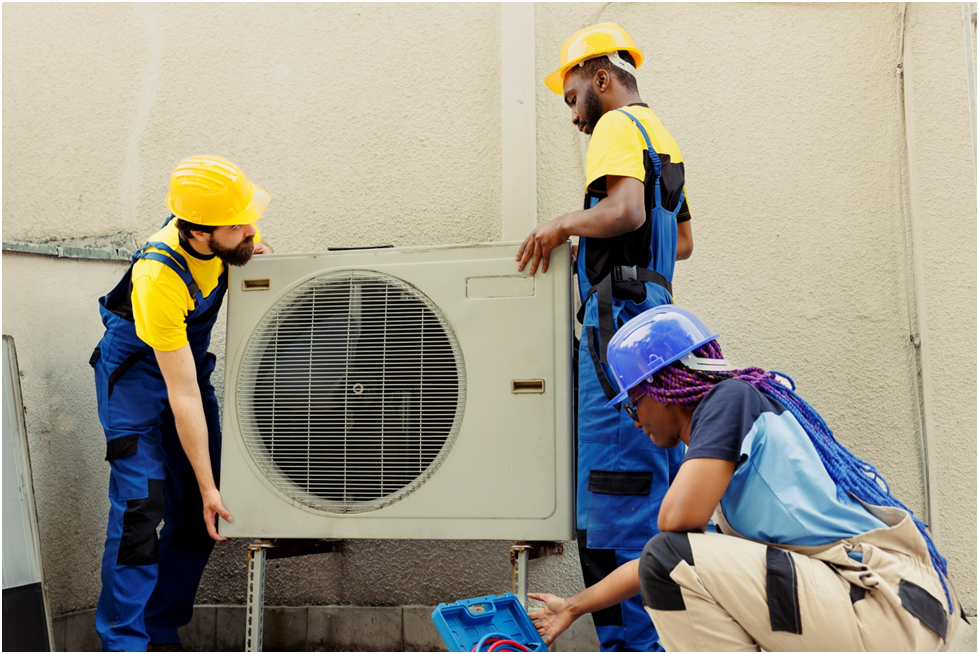
Schools and small businesses both face unique challenges when it comes to heating, ventilation, and air conditioning. From aging infrastructure to tight operating hours and limited budgets, these spaces require more than just seasonal tune-ups—they need a reliable strategy for consistent performance and risk reduction. That’s where dependable HVAC services Los Angeles come into play.
If you’re a school administrator, small business owner, or facility manager, here’s what you should know about managing your HVAC system the right way.
Why HVAC Safety Matters More Than Ever
Los Angeles experiences a broad range of environmental stressors, including high temperatures, wildfire smoke, urban air pollution, and dust. These conditions can impact indoor air quality, especially in spaces with outdated HVAC systems or neglected maintenance.
For schools, poor air circulation or filtration can contribute to increased absenteeism, reduced concentration, and potential respiratory issues for students and staff. In businesses, discomfort from poor air quality or temperature control can lead to lower productivity, customer dissatisfaction, and even safety concerns.
HVAC safety isn’t just about preventing system breakdowns—it’s about creating a healthy environment. That’s why many local administrators and business owners now view HVAC repair in Los Angeles as part of their core safety protocol, not just an emergency fix.
The Importance of Routine HVAC Maintenance in Shared Spaces
Unlike private residences, shared spaces like classrooms, offices, and retail environments have higher occupancy rates and more frequent use of HVAC equipment. This leads to faster wear and tear and makes routine service more critical.
Here’s what ongoing maintenance should include:
1. Filter Replacement
In heavily used spaces, air filters should be replaced far more often than in residential settings—usually every 30 to 60 days, especially during high-use seasons. This reduces dust accumulation, improves air quality, and prevents strain on the system.
2. Duct Cleaning and Inspection
In older Los Angeles buildings, it’s common for ducts to accumulate dust, mold, or debris over time. Regular inspections can prevent air quality issues and catch leaks that could be driving up energy costs unnecessarily.
3. Thermostat Calibration
Especially in schools with multiple classrooms or businesses with separate work zones, ensuring that thermostats are accurately reading and regulating temperature can help maintain consistent comfort levels and reduce overuse.
4. Blower and Motor Maintenance
Fans, blowers, and motor components should be inspected and lubricated regularly to avoid burnout, especially in systems that run continuously during business or school hours.
5. System Diagnostics
Routine checks should include refrigerant levels, electrical connections, and temperature differentials to ensure the system isn’t overworking to deliver basic cooling or heating.
Regular maintenance through qualified HVAC services Los Angeles providers ensures these tasks are completed on schedule, reducing the risk of major failures and extending system life.
Safety Regulations and Indoor Air Quality Standards
In recent years, there has been increased focus on indoor air quality in public and commercial buildings. California regulations encourage enhanced ventilation, especially in educational settings, to help reduce airborne pathogens and improve comfort.
For example, many Los Angeles schools are required to meet specific standards for fresh air exchange per student, which puts added pressure on HVAC systems to perform efficiently. Similarly, businesses in industries such as food service, retail, and personal care must maintain consistent temperatures and air quality to meet health department guidelines and customer expectations.
This means it’s not just about keeping the air cool or warm—it’s about ensuring that ventilation meets code and supports health and safety. That’s why working with experienced professionals in HVAC repair Los Angeles is critical when upgrades, repairs, or inspections are needed.
Scheduling Service Around School and Business Operations
One of the challenges shared spaces face is scheduling HVAC service without disrupting daily operations. For schools, this often means coordinating service during weekends or seasonal breaks. For small businesses, even a few hours without cooling during peak hours can affect customer traffic and revenue.
Fortunately, many providers of HVAC services in Los Angeles offer flexible scheduling, including early morning, evening, or off-hours maintenance to minimize downtime. Some also offer preventive maintenance plans that can be tailored to school calendars or business traffic patterns, allowing for proactive service without interfering with core operations.
Regularly scheduled maintenance not only reduces emergency calls but also helps businesses and schools budget better by spreading costs throughout the year rather than facing large, unexpected expenses.
How to Identify When HVAC Repairs Are Urgent
Even with regular maintenance, HVAC systems in high-use environments can occasionally show signs of failure. Here are key warning signs that demand immediate attention:
- Odd noises like rattling, banging, or squealing
- Uneven temperatures between rooms or zones
- Weak airflow or reduced cooling/heating output
- Strange odors coming from vents
- Sudden spike in energy usage
If any of these symptoms appear, it’s time to contact a professional for immediate HVAC repair in Los Angeles. Delaying could lead to bigger system damage or disruption during critical school or business hours.
Custom HVAC Strategies for Different Types of Shared Spaces
For Schools:
- Install programmable thermostats in classrooms to control usage more precisely.
- Ensure rooftop or exterior units are secured and free of debris.
- Train custodial staff on basic HVAC safety (e.g., filter checks, air vent clearance).
- Consider air purification systems for high-traffic zones like cafeterias or gyms.
For Small Businesses:
- Use zoning systems to adjust temperatures based on foot traffic and business hours.
- Schedule filter replacements monthly if your space has heavy customer turnover.
- Inspect insulation around ductwork in older retail spaces to reduce energy loss.
- Maintain clear access to vents—particularly in offices with cubicle partitions or open shelving.
Understanding the different needs of each space type allows for smarter decisions about equipment, maintenance schedules, and response protocols.
Investing in Long-Term HVAC Efficiency
Both schools and small businesses in Los Angeles often operate on tight budgets. While maintenance and upgrades can seem like extra costs, they typically save money in the long run by:
- Preventing costly emergency repairs
- Reducing monthly energy bills
- Avoiding compliance fines from regulatory agencies
- Enhancing comfort, which supports better learning or customer satisfaction
Energy-efficient HVAC systems may also qualify for rebates, grants, or sustainability incentives, especially when part of a broader building improvement plan.
Final Thought: Make HVAC a Priority, Not an Afterthought
In shared spaces like schools and small businesses, HVAC systems play a bigger role than most people realize. They protect the health of occupants, regulate temperature in stressful weather, and ensure regulatory compliance—all while quietly running in the background.
But when they fail, the impact is immediate and disruptive. That’s why HVAC services in Los Angeles should be considered an essential operational priority, not just a maintenance line item. With proactive service, quick response to repair needs, and an understanding of how your space is used, you can avoid surprises and create an environment where people feel safe, comfortable, and productive.
For those managing public-facing environments in LA, investing in HVAC care isn’t just smart—it’s necessary.