How In-Home Support Can Make Daily Routines Safer
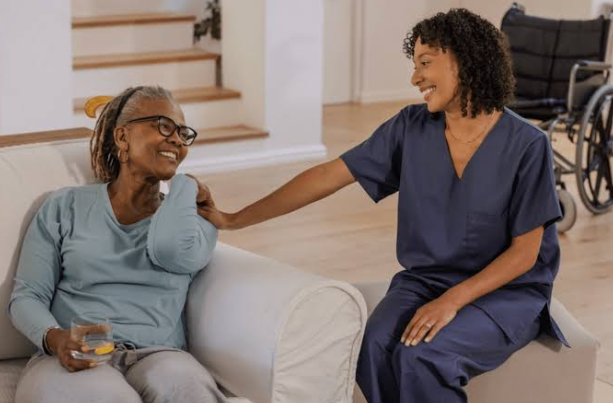
In the realm of ndis home support, providing assistance within ones own living environment has become an essential part of enhancing safety and independence for individuals with disability or age-related challenges. In-home support is designed to empower people to live as comfortably and securely as possible, while maintaining their daily routines and personal preferences.
The Importance of In-Home Support
As the population ages and the number of individuals living with disabilities increases, the demand for in-home support services grows considerably. These services aim to reduce risks associated with everyday activities, minimise accidents such as falls, and provide timely assistance when needed. By adapting the home environment and offering personalised care, in-home support helps create a safer place.
Personalised Risk Assessment and Environment Modification
One of the primary ways in-home support enhances safety is through thorough risk assessments carried out by professionals. These assessments identify potential hazards within the home, such as loose rugs, slippery floors, or insufficient lighting. Based on the findings, modifications can be recommended and implemented. This includes installing grab rails, improving lighting systems, or rearranging furniture to ensure easier mobility.
Supporting Daily Activities Safely
Many daily routines, including cooking, bathing, dressing, and managing medications, present safety challenges. Skilled in-home carers assist clients in these activities to ensure they are carried out safely. For example, careful supervision during bathing prevents slips, while support with medication management helps avoid incorrect dosages and interactions.
Encouraging Independence with Support
It is important to emphasise that in-home support is not about creating dependency but rather promoting autonomy. Support workers provide encouragement and guidance, allowing individuals to retain control over their lives and decisions. This approach helps maintain not only physical wellbeing but also emotional and psychological health.
Emergency Preparedness and Response
In-home carers are also trained to recognise emergency situations and respond effectively. This might involve helping during a fall, managing sudden illnesses, or quickly summoning further medical assistance. Such immediate response capabilities significantly reduce the severity of incidents and improve outcomes.
The Role of Technology in Enhancing Home Safety
Technology plays an increasingly significant role in complementing in-home support. Devices such as medical alert systems, movement sensors, and automated lighting contribute to a safer living environment. These tools support carers and clients alike, facilitating prompt assistance when necessary.
Benefits of Continuous Support and Monitoring
Consistent, ongoing support ensures that the safety measures are maintained and adjusted as needs change. Through regular monitoring and reassessment, care plans stay relevant and effective. This proactive approach reduces the likelihood of accidents and supports long-term wellbeing.
Facilitating Social Inclusion and Community Engagement
In-home support can extend beyond physical assistance, including encouragement to participate in social and community activities. This helps combat isolation and promotes mental health. Services that provide support at home often integrate social aspects to enhance quality of life.
Choosing the Right Service Provider
Selecting a reliable and professional in-home support provider is critical. Ability Options is known for its comprehensive services tailored to individual needs, focusing on safety and dignity. Their expertise ensures that clients receive appropriate support designed to improve daily living.
Collaborating with Healthcare Professionals
In-home support services typically work alongside healthcare professionals including physiotherapists, occupational therapists, and nurses. This multidisciplinary approach ensures that all aspects of safety and health are addressed effectively, providing holistic care aligned with medical advice.
Educating Clients and Families
An integral part of making daily routines safer involves educating clients and their families about risk factors, safety strategies, and emergency procedures. Knowledge empowers everyone involved to maintain a secure environment and advocate for necessary changes or additional support.
Financial Assistance and Eligibility
The funding for in-home support often comes through government programs such as the National Disability Insurance Scheme. Accessing these services may require assessment and eligibility confirmation, an area where knowledgeable providers can assist clients in navigating the process.
Addressing Psychological Safety and Wellbeing
Beyond physical safety, in-home support also considers emotional and psychological factors that contribute to an individual’s overall wellbeing. The presence of compassionate support can reduce anxiety, foster trust, and create a positive living atmosphere.
Adapting Support to Changing Needs Over Time
As individual circumstances evolve, so must the in-home support offered. Flexibility and responsiveness to changing health conditions or lifestyle requirements help maintain safety continuously and effectively, avoiding gaps in care.
Conclusion
In-home support is a vital component in creating safer daily routines for people requiring assistance. Through personalised care, environment modification, emergency preparedness, and collaborative care, it significantly reduces risks and enhances quality of life. Those seeking professional support should consider providers like Ability Options who specialise in these services, ensuring a comprehensive and person-centred approach to safety at home.