Transforming Athletic Performance Through Intelligent Training Companions
Personalized Training for Modern Athletes
Athletic training has undergone remarkable transformation through the integration of intelligent wearable technology that provides insights previously available only in professional sports laboratories. Modern sports enthusiasts demand more than basic activity tracking; they seek comprehensive training ecosystems that analyze performance metrics, prevent injuries, and optimize recovery protocols based on individual physiology. This evolution reflects a broader trend toward data-driven fitness methodologies that maximize results while minimizing physical strain and burnout risk.
The contemporary training landscape emphasizes personalized workout experiences tailored to individual physiology, goals, and current readiness states. Generic exercise prescriptions have given way to adaptive training programs that respond to real-time biometric feedback and adjust recommendations accordingly. Advanced wearables now function as virtual coaching platforms, offering guidance on pacing, form correction, and exertion levels based on continuous physiological monitoring that accounts for daily variations in energy and recovery status. This personalization ensures that each training session delivers optimal stimulus without crossing into counterproductive overexertion territory.
The psychological impact of data-driven training cannot be overstated. Athletes who can see tangible evidence of improvement maintain higher motivation levels through difficult training phases. Objective metrics counter the subjective feelings of stagnation that often lead to program abandonment. When runners observe their resting heart rate declining over weeks, or cyclists note improved power output at identical heart rates, they receive validation that their efforts produce meaningful physiological adaptations. This feedback loop between effort and measurable outcome creates sustainable training habits that persist long after initial enthusiasm naturally wanes.
Advanced Metrics for Running and Cycling
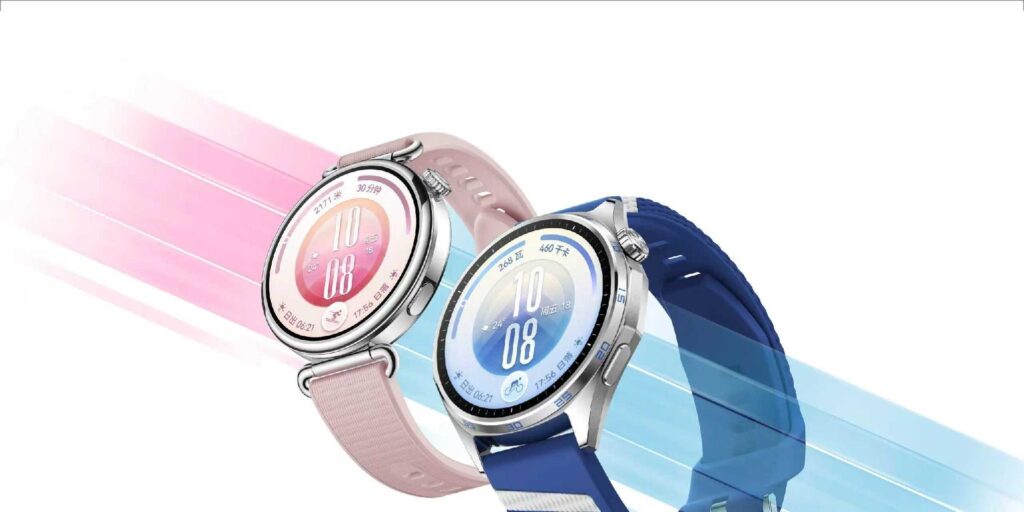
Running enthusiasts particularly benefit from granular performance analytics that reveal biomechanical efficiency patterns invisible to casual observation. Metrics such as vertical oscillation, ground contact time balance between left and right feet, and running power provide deep insights into movement economy. These measurements enable athletes to refine their technique, reducing energy waste and lowering injury risk by identifying asymmetries or excessive impact forces. The HUAWEI watch gt 7 delivers these advanced running metrics alongside traditional pace and distance data, creating a comprehensive training analysis toolkit suitable for both recreational joggers and competitive racers seeking marginal gains.
Trail running presents unique challenges that demand specialized tracking capabilities beyond road running applications. Elevation changes, varied terrain surfaces, and environmental factors require adaptive measurement systems that account for these variables. Grade-corrected pacing algorithms adjust performance expectations based on incline and surface difficulty, providing accurate effort assessments across diverse landscapes. Extended GPS battery endurance ensures reliable tracking during ultra-distance events where traditional devices would deplete mid-activity, leaving runners without navigation or performance data precisely when they need it most.
Cycling enthusiasts similarly enjoy enhanced training experiences through route integration and elevation profiling that transforms solo rides into structured workouts. Pre-loaded course data allows riders to anticipate challenging segments and plan energy expenditure accordingly, while turn warnings improve safety during high-speed descents on unfamiliar roads. Climb summaries consolidate elevation data into digestible insights, helping cyclists understand their strengths and weaknesses across different terrain types and track improvement over repeated courses throughout a training season. These features elevate cycling from simple transportation or leisure into structured athletic development.
Recovery and Inclusive Activity Support
The expansion of supported sports activities reflects growing diversity in fitness preferences and the recognition that health benefits come from varied movement patterns. From mainstream activities like swimming and yoga to niche pursuits such as skiing and golf, comprehensive device compatibility ensures no athlete feels excluded from technological support. This inclusivity encourages exploration of new physical activities, promoting overall fitness diversity and long-term athletic engagement by reducing the monotony that often leads to program abandonment. When users can track progress across multiple disciplines, they develop more balanced fitness profiles that support overall athleticism rather than narrow specialization.
Recovery monitoring represents another critical advancement in sports wearables that separates serious training tools from simple activity recorders. Training readiness scores synthesize recent exertion, sleep quality, and physiological stress indicators to recommend appropriate workout intensity for each specific day. This balanced approach prevents overtraining syndrome while ensuring athletes maximize their training adaptations by working hard when recovered and resting when their bodies need rebuilding time. Understanding when to push harder versus when to prioritize recovery distinguishes amateur efforts from professional-caliber training programs that respect the body’s need for strategic rest.
Water sports enthusiasts require specialized durability and functionality that many general-purpose devices fail to provide. Robust water resistance ratings enable pool swimming, open water activities, and even shallow diving without device compromise or anxiety about water damage. Stroke recognition algorithms automatically identify swimming styles, counting laps and analyzing efficiency metrics such as stroke rate and distance per stroke without manual input. Such seamless integration allows athletes to focus entirely on performance and technique rather than device management or manual tracking. The psychological benefits of comprehensive training data extend beyond physical performance into mental preparation and confidence building. Reviewing completed workouts, visualizing progress trends, and identifying consistent improvement patterns builds self-efficacy that translates into better race day performances. The ability to see tangible evidence of fitness development maintains motivation during difficult training phases when subjective feelings might suggest stagnation or regression. The future of athletic training lies in the symbiotic relationship between human effort and technological insight that augments rather than replaces human judgment. As wearable devices continue incorporating advanced sensors and intelligent algorithms, the boundary between casual fitness and elite performance continues to blur. Every athlete, regardless of experience level or competitive aspirations, can access professional-grade training analytics that were once exclusive to Olympic training facilities and professional sports teams. This democratization of sports science promises to elevate athletic achievement across all levels of competition while reducing injury rates through better load management and recovery practices.






