How to Repair Your iPhone Screen in Brisbane: A Practical Guide
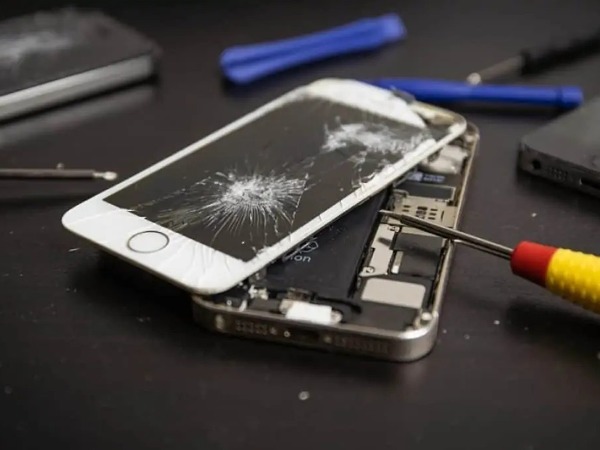
A cracked or unresponsive phone screen can quickly turn into a daily frustration. If you’re trying to repair your iPhone screen locally, it helps to understand what kind of damage you’re dealing with, what repair options are safest, and how to compare repair shops without overpaying.
This guide breaks down the most common screen issues, the difference between DIY and professional repairs, what you can expect during the service, typical cost factors (including Brisbane prices), and simple ways to prevent damage in the future.
1) Understanding the Types of iPhone Screen Damage
Before booking a repair, identify the problem as clearly as possible. Most screen issues fall into these categories:
Cracks
Cracks are visible breaks in the glass. They can worsen over time, affect visibility, and sometimes lead to touch problems if the damage spreads.
Scratches
Scratches are surface marks that usually don’t stop the phone from working, but they can be annoying and reduce screen clarity.
Touch Not Responding
Sometimes the screen looks fine but stops responding—or only responds in certain areas. This can happen due to internal damage, a loose connection, or screen-layer failure.
Display Issues (Lines, Flickering, Odd Colors)
If you see lines, black spots, flickering, or strange discoloration, the display panel underneath the glass may be damaged—even if the outer glass looks okay.
Being able to describe the issue clearly helps a technician assess the right fix for your iPhone screen in Brisbane faster.
2) DIY vs Professional Repairs: What You Should Know
Many people consider DIY kits, especially when money is tight. But screen replacement can be tricky and risky.
DIY repairs: pros and cons
Pros:
- Can be cheaper upfront
- Useful if you only need a minor fix and have experience
Cons:
- Higher chance of damaging the display, frame, or connectors
- Water resistance can be compromised
- Some models require careful calibration and precise adhesive sealing
- No workmanship warranty in many cases
Professional repairs: pros and cons
Pros:
- Proper tools, controlled installation, and testing
- Usually includes a warranty on parts/labour
- Faster and safer for most users
Cons:
- Costs more than DIY kits in many cases
If your goal is reliability (and avoiding accidental extra damage), professional service is often the smarter choice—especially for a modern iPhone with advanced screen tech.
3) Where to Find Reliable Repair Services in Brisbane
A good repair shop should be transparent and consistent—not vague or pushy. Here’s how to shortlist trustworthy options:
- Ask for recommendations from friends or coworkers
- Check reviews (look for patterns, not just star ratings)
- Compare warranties and what they cover
- Ask what parts they use (OEM-quality vs aftermarket)
- Confirm testing steps after repair (touch, display, sensors, face/ear speaker, etc.)
Also, don’t be afraid to call and ask questions. A reliable shop should explain the process clearly and give you a written quote.
4) What to Expect During the Repair Process
Most screen repairs follow a simple flow:
- Inspection and diagnosis
The technician checks the damage and confirms whether it’s glass-only, display-related, or a touch/connector issue. - Quote and time estimate
You’ll be told what needs replacing, how long it should take, and the final cost. - Screen replacement
The damaged screen is removed and a new one is installed with the proper adhesive and alignment. - Testing and handover
The shop should test display quality, touch response, brightness, speaker/earpiece, and basic functions before returning it to you.
Simple repairs can sometimes be done same day, but timing varies depending on model and parts availability.
5) Cost Factors: What Affects Brisbane Prices?
Brisbane prices for screen repairs vary widely depending on a few key factors:
- Your iPhone model (newer models usually cost more)
- Screen type (standard LCD vs OLED / higher-end panels)
- Extent of damage (glass-only vs full display issues)
- Parts quality (aftermarket vs premium/OEM-grade options)
- Extra fees (diagnostic fees, frame damage, sensor issues)
Tip: Get 2–3 quotes and make sure you’re comparing the same parts quality and warranty terms. The cheapest option isn’t always the best value if the screen quality is poor or support is weak.
6) Warranty and Aftercare: Make the Repair Last
A warranty is your safety net. Before you approve the job, ask:
- How long is the warranty?
- Does it cover parts and labour?
- What voids the warranty? (drops, water exposure, third-party repairs, etc.)
After the repair, protect your investment:
- Use a sturdy case with raised edges
- Apply a quality screen protector
- Avoid leaving your phone loose with keys or coins
- Treat the device carefully in crowded places
These small habits reduce the chance you’ll need to fix the same issue again.
7) Tips to Prevent Future Screen Damage
Prevention is always cheaper than repair. Here are easy steps that actually work:
- Choose a shock-absorbing case
- Use a tempered glass protector
- Don’t place your phone screen-down on rough surfaces
- Keep it separate from hard objects in bags/pockets
- Avoid using your phone while walking in busy areas
This advice applies to any phone owner—but it matters even more when you rely on your device every day.
Conclusion
If you want to repair your iPhone screen quickly and safely, start by identifying the damage type, then decide whether DIY is worth the risk (often it isn’t). Compare shops based on transparency, warranty, parts quality, and realistic Brisbane prices—not just the cheapest quote.
Once you choose a reliable provider for your iPhone screen in Brisbane, proper aftercare (case + screen protector) can help you avoid future repairs and keep your device looking and working like new.