How to Choose the Best Laser Engraving Machine for Your Needs
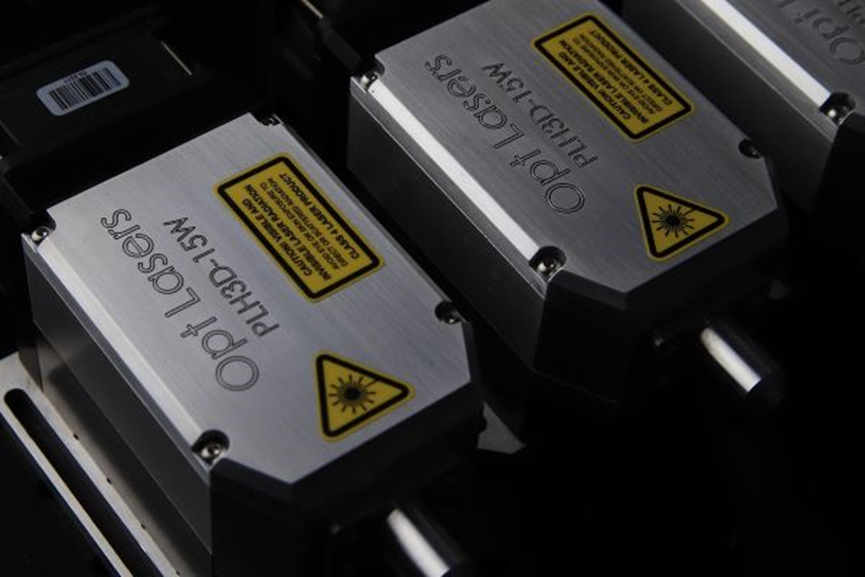
In recent years, laser technology has become increasingly accessible, revolutionising both professional industries and hobbyist projects. From personalising jewellery and creating customised gifts to producing architectural models and home décor, the right laser engraving machine can turn creative ideas into professional-grade products. However, with so many options available on the market, choosing the most suitable device can feel overwhelming.
This guide will help you understand the essential factors to consider when selecting a laser engraver, including the technology behind it, machine categories, key features, budget considerations, and how laser cutting capabilities can add even more value.
1. Understanding Laser Engraving Technology
Laser engraving is the process of using a concentrated beam of light to remove or alter the surface of a material, leaving behind a permanent mark or design. Unlike traditional methods, a laser engraving machine offers unmatched precision, speed, and flexibility.
Key advantages of laser engraving include:
- High accuracy – capable of creating intricate details that are difficult to achieve manually.
- Material versatility – from wood and acrylic to glass, leather, and even metal.
- Efficiency – faster turnaround compared to mechanical engraving or manual carving.
- Repeatability – perfect for producing multiple items with identical quality.
For users who also want to cut materials, laser cutting becomes an important consideration, allowing not only surface marking but also shaping and fabrication of different components.
2. Categories of Laser Engraving Machines
Not all laser engravers are created equal. Depending on your projects, budget, and materials, you will need to choose among different types of machines:
a) CO₂ Laser Engravers
- Best for organic materials such as wood, acrylic, glass, leather, and textiles.
- Popular among small businesses and DIY enthusiasts.
- Affordable entry-level option with excellent engraving and laser cutting performance on non-metals.
b) Fibre Laser Engravers
- Designed for metal marking and engraving (e.g., stainless steel, aluminium, gold).
- Ideal for industrial use, jewellery makers, and manufacturers.
- Typically higher in price but extremely precise and durable.
c) Diode Laser Engravers
- Compact, lightweight, and usually budget-friendly.
- Great for hobbyists who want to work on wood, paper, or leather.
- Limited power compared to CO₂ or fibre models, making them less effective for deep engraving or thick laser cutting.
Each category has its strengths. The best laser engraving machine for you depends on whether you need versatility for home projects, durability for professional manufacturing, or portability for creative hobbies.
3. Key Factors to Consider Before Buying
When narrowing down your choices, keep these factors in mind:
a) Materials You Want to Work With
Different machines are optimised for different materials. If you plan to engrave glassware or wood signs, a CO₂ machine is ideal. For metal jewellery or industrial tags, a fibre engraver is the way to go.
b) Machine Power
Power is measured in watts. A higher wattage machine can engrave faster and cut through thicker materials. For example:
- 30–60W CO₂ machines are great for beginners and small shops.
- 100W+ CO₂ machines are more suitable for heavy-duty laser cutting.
- 20–30W fiber lasers can handle fine details on metals.
c) Working Area Size
The engraving bed size determines how large your projects can be. Hobbyists may be fine with a small desktop machine, but businesses producing signage or furniture components will need a larger workspace.
d) Software Compatibility
Your laser engraving machine should integrate smoothly with design software like LightBurn, CorelDRAW, or Adobe Illustrator. Easy-to-use software ensures a smoother workflow and more creative possibilities.
e) Cooling and Ventilation Systems
Since laser cutting and engraving generate heat and fumes, efficient cooling and proper ventilation are critical for both performance and safety.
f) Budget and Long-Term Value
While cheaper machines may seem appealing, investing in a higher-quality engraver often means better results, longer lifespan, and fewer maintenance costs.
4. Beginner’s Guide to Using a Laser Engraving Machine
If you’re new to the technology, here’s a simple overview of how a typical engraving project works:
- Design Your Project – Create or import your design into the engraving software.
- Choose Material Settings – Select the right power, speed, and frequency for your material.
- Place the Material – Secure the material on the bed to prevent movement during engraving.
- Focus the Laser – Adjust the lens or bed height so the laser beam is at the correct distance.
- Run a Test Pass – Before full engraving, do a light pass to ensure alignment and accuracy.
- Engrave or Cut – Start the job and monitor the process. For laser cutting, ensure proper air assist to avoid burning edges.
- Finishing Touches – Clean the engraved surface and inspect the final result.
5. Safety Considerations
Working with lasers requires caution. Even a compact laser engraving machine produces intense light and heat. Follow these guidelines:
- Always wear protective laser safety glasses.
- Ensure proper ventilation to avoid inhaling fumes.
- Keep a fire extinguisher nearby when doing laser cutting.
- Never leave the machine unattended while in operation.
- Regularly clean lenses, mirrors, and filters for consistent performance.
By practicing safe use, you can enjoy the benefits of laser engraving while minimising risks.
6. How Laser Cutting Expands Your Possibilities
One major advantage of many modern engravers is their dual ability: engraving and laser cutting. This means you can not only add intricate patterns but also create shapes and structural elements.
Practical applications include:
- Wedding décor – personalised table signs, invitation cards, and cake toppers.
- Home improvement – custom furniture pieces, wall art, and lampshades.
- Small businesses – branded packaging, promotional merchandise, and signage.
- Prototyping – architects, engineers, and designers can create functional models.
When selecting a laser engraving machine, choosing one with strong cutting power opens the door to far more creative opportunities.
7. Final Thoughts
A laser engraving machine is not just a tool—it’s an investment in creativity, efficiency, and precision. Whether you’re a beginner making personalised gifts or a business owner scaling production, the right choice will depend on your materials, budget, and long-term goals.
By carefully evaluating categories, machine power, working area, and software compatibility, you can select a device that perfectly matches your needs. And with laser cutting capabilities, your projects can evolve from surface-level engraving to full-fledged fabrication.
In short, the best machine for you is one that balances reliability, functionality, and room to grow. Once you find it, you’ll discover how laser technology can truly transform the way you design, create, and build.