Using a LinkedIn Scraper for Data-Driven Market Research and Lead Analysis
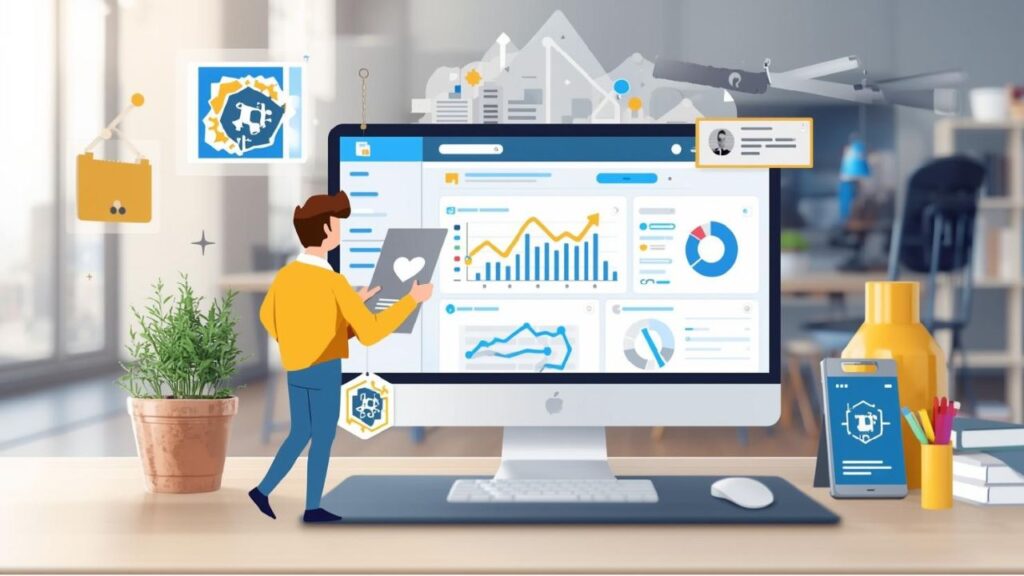
In today’s highly competitive digital marketplace, businesses can no longer rely on assumptions or guesswork. Decisions must be backed by accurate, real-world data. This is where LinkedIn has become one of the most valuable platforms for B2B market research and lead generation. With over 900 million professionals worldwide, LinkedIn contains a massive amount of publicly available business data. To unlock this data efficiently and at scale, companies are increasingly turning to a LinkedIn scraper.
A linkedin scraper allows marketers, researchers, and sales teams to extract structured data from LinkedIn profiles, company pages, job listings, and search results. When used ethically and strategically, it becomes a powerful tool for data-driven market research and advanced lead analysis. This article explores how a linkedin scraper works, why it matters for market research, and how businesses can use it to gain a competitive advantage.
Understanding What a LinkedIn Scraper Is
A LinkedIn scraper is a software tool or script designed to collect publicly available information from LinkedIn automatically. Instead of manually visiting hundreds or thousands of profiles, a scraper gathers data in bulk and exports it into formats such as CSV, Excel, or databases.
The data collected typically includes professional details such as job titles, industries, company size, location, skills, and experience. From company pages, a LinkedIn scraper can extract employee counts, growth trends, hiring activity, and industry classification. For market researchers and lead analysts, this structured data is invaluable.
Unlike simple automation tools, modern LinkedIn scraper solutions often include filtering, keyword targeting, and segmentation features. This allows users to focus on highly specific audiences rather than collecting random or irrelevant data.
Why LinkedIn Is Ideal for Market Research
LinkedIn stands apart from other social platforms because its primary purpose is professional networking. Users keep their profiles updated to reflect their careers, skills, and business roles. This makes LinkedIn data more accurate and more relevant for business analysis than many other sources.
For market research, LinkedIn provides insights into industry trends, workforce distribution, emerging job roles, and company growth patterns. For lead analysis, it offers direct access to decision-makers, founders, managers, and specialists across nearly every industry.
Using a linkedin scraper enhances this value by turning scattered profile information into a centralized dataset. Instead of isolated observations, businesses can analyze patterns at scale.
Data-Driven Market Research with a LinkedIn Scraper
Conventional market research methods such as surveys, interviews, and third-party industry reports have long been used to understand business landscapes. While effective, these approaches often require significant time, budget, and manual effort, and they may not always reflect real-time market changes. A linkedin scraper offers a faster, more adaptive alternative by providing direct access to live professional data.
By extracting LinkedIn search results based on targeted industries, job roles, or geographic locations, businesses can gain a clear picture of market size and workforce composition. For instance, a SaaS company planning to enter the fintech space can use a linkedin scraper to evaluate the number of active fintech startups in a region, assess hiring momentum, and identify in-demand skill sets.
This data-driven approach enables organizations to test market assumptions before making major investments. It also supports ongoing competitive monitoring, helps uncover talent demand patterns, and allows companies to observe industry growth trends with greater accuracy over time.
Identifying Industry Trends Through LinkedIn Data
One of the most powerful applications of a linkedin scraper is trend analysis. By collecting data regularly, businesses can observe changes in hiring behavior, job titles, and skill requirements.
For instance, if a growing number of profiles in a certain industry start listing artificial intelligence or automation-related skills, this signals a shift in market demand. Companies can adapt their products, services, or marketing strategies accordingly.
Similarly, analyzing company page data reveals which industries are expanding, which are slowing down, and where new opportunities may exist. This type of insight is difficult to obtain through manual research alone.
Improving Buyer Persona Development
Accurate buyer personas are critical for effective marketing and sales strategies. A linkedin scraper contributes directly to this process by revealing real-world professional attributes of target audiences.
Instead of relying on assumptions, marketers can analyze scraped LinkedIn data to understand common job titles, career paths, skills, and industries within their ideal customer base. This leads to more realistic personas and more effective messaging.
When buyer personas are based on data rather than intuition, content marketing, paid campaigns, and outreach efforts become significantly more aligned with audience needs.
Competitive Analysis Using a LinkedIn Scraper
Understanding competitors is another key benefit of using a linkedin scraper. By scraping competitor company pages and employee profiles, businesses can gain insight into team size, hiring velocity, and organizational structure.
If a competitor suddenly increases hiring for a specific role, it may indicate a new product launch or market expansion. Similarly, changes in leadership roles can signal strategic shifts.
This level of competitive intelligence allows businesses to respond proactively rather than reactively. It also helps identify gaps in the market that competitors may be overlooking.
- A linkedin scraper helps analyze competitor company pages to estimate team size, department structure, and workforce growth trends.
- Tracking hiring velocity reveals whether competitors are expanding, launching new products, or entering new markets.
- Scraping employee job titles highlights strategic priorities, such as increased investment in sales, engineering, or marketing roles.
- Monitoring leadership changes provides early signals of organizational restructuring or long-term strategic shifts.
- Comparing competitor talent profiles helps identify skill gaps and underserved opportunities in the market.
- This data-driven competitive intelligence enables businesses to act proactively rather than reacting after market changes occur.
Data Accuracy and Cleaning Considerations
While a linkedin scraper can collect large volumes of data, accuracy and cleanliness are essential for meaningful analysis. Raw scraped data often contains duplicates, outdated information, or inconsistent formatting.
Businesses must invest time in cleaning and validating their datasets. This includes removing duplicates, standardizing job titles, and verifying company details. Clean data ensures that market research insights and lead analysis results are reliable.
Many advanced linkedin scraper tools include built-in filters and validation features, which reduce the need for extensive post-processing.
Ethical and Compliance Considerations
Using a linkedin scraper responsibly is critical. LinkedIn’s terms of service restrict certain automated activities, and businesses must ensure they comply with applicable laws and ethical standards.
Scraping should focus on publicly available data and avoid invasive or deceptive practices. The goal is research and analysis, not harassment or misuse of personal information.
When used ethically, a linkedin scraper is a research tool that enhances understanding rather than exploiting individuals. Transparency and respect for data privacy should always be prioritized.
Integrating LinkedIn Scraper Data with Business Tools
The real power of a linkedin scraper emerges when its data is integrated with other business systems. CRM platforms, marketing automation tools, and analytics dashboards can all benefit from enriched LinkedIn data.
For example, scraped leads can be imported into a CRM, segmented based on role or industry, and assigned to sales teams. Market research data can be visualized in dashboards to track trends over time.
This integration turns raw scraped data into actionable business intelligence.
SEO and Content Strategy Benefits
From an SEO perspective, a linkedin scraper can indirectly support content strategy. By analyzing LinkedIn profiles and job descriptions, businesses can identify commonly used industry keywords and terminology.
These insights help create content that aligns with how professionals actually describe their roles and challenges. This improves keyword relevance, content authority, and search visibility.
For agencies and consultants, this data-driven approach enhances both SEO performance and content credibility.
Challenges and Limitations of LinkedIn Scraping
Despite its benefits, using a linkedin scraper comes with challenges. LinkedIn frequently updates its platform, which can disrupt scraping tools. Rate limits, captchas, and account restrictions are also common obstacles.
Additionally, scraped data reflects only what users choose to share publicly. It should be viewed as a strong indicator, not an absolute truth.
Understanding these limitations helps businesses use linkedin scraper data more realistically and responsibly.
Choosing the Right LinkedIn Scraper Tool
Not all scraper tools are equal. Businesses should look for solutions that offer flexibility, data accuracy, and scalability. Features such as advanced filters, export options, and proxy support are important for professional use.
- Choose a linkedin scraper that offers advanced filtering options such as job title, industry, location, and company size for precise data collection.
- Ensure the tool provides clean data export formats (CSV, Excel, or API) so it can easily integrate with your CRM or analytics systems.
- Look for strong reliability features like proxy support, rate control, and regular updates to handle LinkedIn platform changes.
- Prioritize ease of use and ethical scraping practices to maintain data accuracy and reduce compliance risks.
Ease of use is another key factor. A good LinkedIn scraper should allow non-technical users to extract and analyze data without a complex setup.
Ultimately, the right tool depends on the business’s research goals, technical capacity, and compliance requirements.
Future of Data-Driven Research with LinkedIn Scrapers
As data-driven decision-making becomes the norm, tools like the LinkedIn scraper will play an increasingly important role. Market research is moving toward real-time insights rather than static reports.
With advancements in data analytics and AI, scraped LinkedIn data will become even more valuable. Predictive analysis, trend forecasting, and advanced segmentation are already emerging applications.
Businesses that adopt these tools early will be better positioned to understand markets, reach the right audiences, and stay ahead of competitors.
FAQs
1. What is a LinkedIn scraper and how does it support market research?
A linkedin scraper is a tool that collects publicly available data from LinkedIn profiles, company pages, and search results. For market research, it helps businesses analyze workforce size, industry distribution, hiring trends, and skill demand using real-time professional data rather than assumptions or outdated reports.
2. How can a LinkedIn scraper improve lead analysis and B2B prospecting?
A linkedin scraper enables businesses to identify and segment potential leads based on job title, industry, company size, and location. This allows sales and marketing teams to focus on high-intent prospects, personalize outreach, and improve conversion rates through data-driven lead analysis.
3. Is using a LinkedIn scraper legal and safe for businesses?
Using a linkedin scraper is generally safe when it is limited to publicly available data and used responsibly. Businesses should follow ethical data practices, respect privacy standards, and ensure compliance with LinkedIn’s terms of service and applicable data protection regulations.
4. What types of insights can businesses gain from LinkedIn scraper data?
LinkedIn scraper data can reveal valuable insights such as market size, competitor hiring activity, emerging job roles, popular skill sets, and industry growth trends. These insights help businesses make informed decisions for market entry, product development, and sales strategy.
Conclusion
Using a LinkedIn scraper for data-driven market research and lead analysis offers a powerful way to transform publicly available professional data into actionable insights. From understanding industry trends to building high-quality lead lists, the benefits extend across marketing, sales, and strategic planning.
When used ethically and strategically, a LinkedIn scraper helps businesses reduce guesswork, improve targeting, and make smarter decisions. In an era where data is a competitive asset, leveraging LinkedIn data effectively can be the difference between leading the market and following it.