Modular Fencing vs Traditional Fence Panels
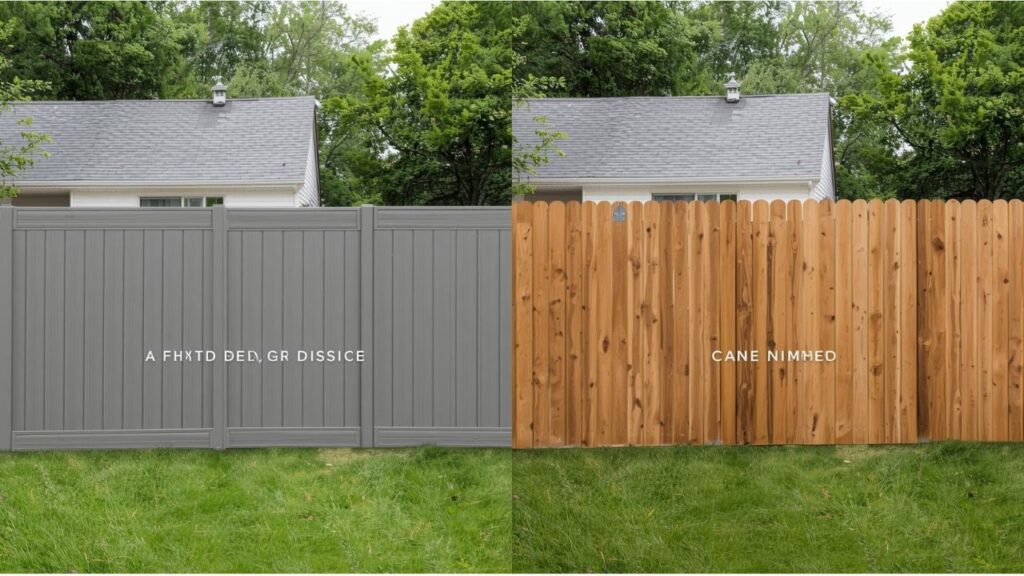
Choosing the right boundary for your property is about more than just marking a line in the dirt; it’s about privacy, security, and curb appeal. When you start researching, you’ll likely face a common debate: Modular fencing versus traditional fence panels. Both have distinct strengths, but understanding the differences can save you time, money, and a few headaches during installation.
What Is Modular Fencing?
Think of modular fencing as the “adult Lego” of the landscaping world. It is a modern fencing solution designed as a complete kit, typically consisting of posts, rails, and panels that fit together seamlessly. These components are pre-engineered to work as a unified system, meaning you don’t need to be a master carpenter to put them together.
The biggest draw is the material composition. Often made from advanced composites, fiber cement, or pre-finished metal, these fences offer a sleek, architectural look that mimics rendered walls or premium timber without the heavy lifting. Because of the kit-based design, homeowners gain incredible design flexibility, allowing them to mix and match profiles or integrate lighting and letterboxes easily.
What Is Traditional Fencing?
Traditional fencing usually refers to the classic timber setups we’ve seen for decades—specifically, timber palings attached to rails and posts. Constructing a traditional fence is a raw process. It involves digging holes, setting posts in concrete, measuring and cutting rails, and then individually nailing every single paling.
While it requires more labor and distinct carpentry skills, traditional fencing offers a classic aesthetic that many homeowners love. It’s built from the ground up, allowing for on-the-fly adjustments to uneven terrain that pre-made panels might struggle with.
Advantages of Modular Fencing
For many DIY enthusiasts, modular fencing is the clear winner because of its simplicity. Since the components are pre-measured and designed to lock into place, the installation time is significantly faster than traditional methods. You aren’t cutting hundreds of individual pieces of wood; you are assembling substantial sections at a time.
Maintenance is another huge plus. Unlike timber, which can warp, rot, or get eaten by termites, modular materials are generally resistant to the elements. They often come pre-finished, meaning you can skip the painting stage entirely unless you want to change the color later.
Advantages of Traditional Fencing
Traditional fencing holds its ground when it comes to robustness and cost. Timber is a flexible material that can withstand significant impact and is relatively easy to repair—if one paling breaks, you just replace that one paling.
Cost-effectiveness is often the deciding factor here. The raw materials for a timber fence (treated pine or hardwood) are generally cheaper upfront than engineered modular kits. If you are fencing a large acreage or a back alley where aesthetics are less critical, traditional methods can be very budget-friendly.
Cost Comparison
When looking at the numbers, traditional fencing usually wins on upfront material costs. It is the cheaper option to buy and build initially. However, the long-term costs tell a different story. Traditional timber fences require regular painting, staining, and eventual repairs due to weathering.
Modular options have a higher initial price tag due to the engineering and quality of materials involved. However, because they require little to no maintenance over their lifespan, the long-term cost of ownership often balances out, potentially making them cheaper over 15 or 20 years.
Understanding Style Fencing
If you want to elevate the look of your perimeter, you might want to consider Style Fencing. This approach focuses on using fencing not just as a barrier, but as a key architectural feature of your home’s exterior design.
Style Fencing isn’t limited to one material; it is about how you utilize texture and profile to create visual interest. In a modular setup, you can easily incorporate Style Fencing principles by choosing panels with decorative slats or integrated lighting. For traditional fences, Style Fencing might involve capping your timber posts or alternating paling widths to create a unique rhythm. Regardless of the structure, adopting a Style Fencing mindset ensures your boundary looks intentional and high-end, rather than just functional.
Conclusion
The choice between these two contenders ultimately comes down to your budget, your DIY confidence, and your maintenance preference. If you want a cost-effective solution and enjoy the rustic process of working with timber, traditional panels are a solid choice.
However, if you prefer a modern, low-maintenance solution that you can install over a weekend, modular fencing is hard to beat. It offers a premium finish that lasts for years without the need for a paintbrush. Assess your specific needs, consider how much time you want to spend maintaining your yard, and choose the fence that gives you the best peace of mind.