Innovation and Modern Techniques in Whipple Surgery
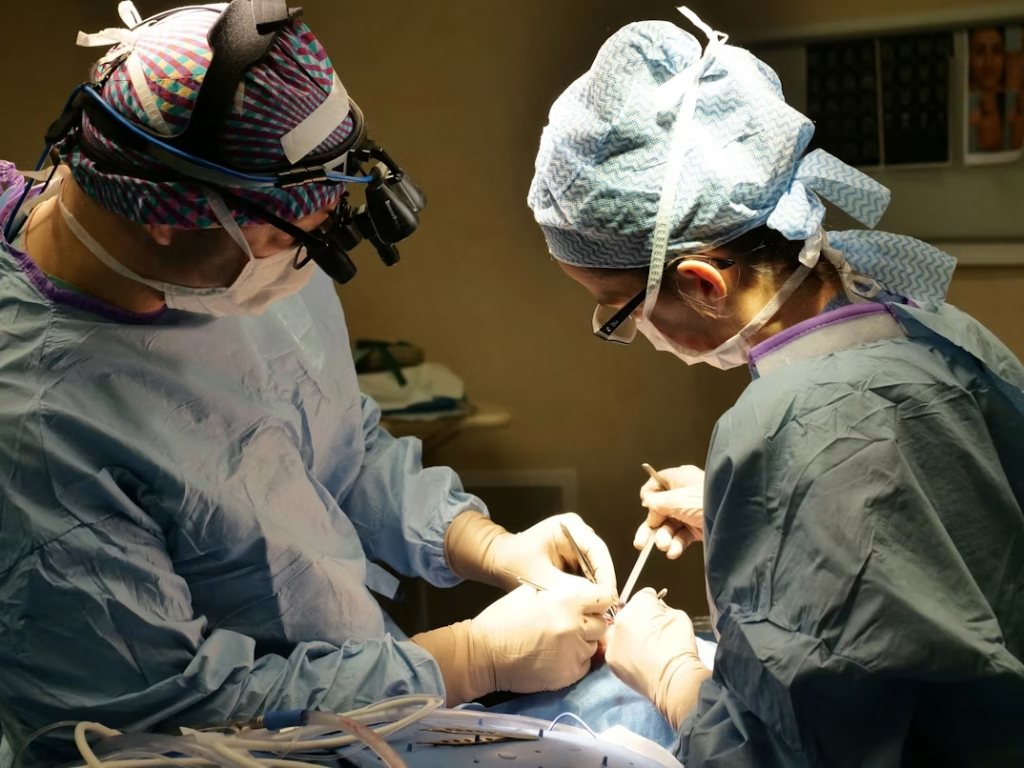
The Whipple procedure, or pancreaticoduodenectomy, is a highly complex surgery used to treat pancreatic cancer, duodenal tumors, and other pancreatic disorders. Traditionally, it involved long hospital stays and a high risk of complications. Today, modern innovations have made this surgery safer, more precise, and patient-centered.
Robotic-assistedsurgery
One of the most significant advancements is robotic-assisted Whipple surgery. Robotic systems allow surgeons to operate with unmatched precision.
Key benefits include:
- Reduced trauma: Robotic instruments move with incredible accuracy, protecting surrounding organs.
- Better visualization: High-definition 3D cameras allow surgeons to see tiny blood vessels and ducts clearly.
- Faster recovery: Less tissue damage means shorter hospital stays and quicker return to daily life.
- Lower blood loss: Reduced risk of transfusions and complications.
Patients who undergo robotic-assisted Whipple surgery often report less postoperative pain and improved overall outcomes compared to traditional open surgery.
Minimally invasivetechniques
Minimally invasive approaches, such as laparoscopic Whipple surgery, are increasingly preferred. These involve smaller incisions and provide significant benefits:
- Reduced post-surgery pain
- Faster healing and mobility
- Lower infection risk
- Smaller scars
Although technically challenging, minimally invasive surgery can achieve the same cancer-removal results as open surgery, with the added advantage of comfort and a faster return to normal life.
Enhanced Recovery Protocols
Modern Whipple procedures now follow Enhanced Recovery After Surgery (ERAS) protocols. These aim to improve patient outcomes and reduce hospital stays by focusing on:
- Preoperative counseling and preparation
- Optimized pain management without excessive opioids
- Early nutrition and mobilization
- Regular monitoring of vital signs and digestive function
Studies show that patients following ERAS recover faster, experience fewer complications, and are more confident during their recovery journey.
Advanced imaging and preoperativeplanning
Advanced imaging technologies have transformed the planning stage of Whipple surgery. Surgeons use:
- High-resolution CT scans and MRI
- 3D reconstructions of the pancreas and nearby structures
- Virtual surgical planning to anticipate challenges
These tools enhance precision, reduce surgery time, and minimize risks, ensuring a safer procedure for every patient.
Post-surgeryconsiderations
Recovery after Whipple surgery is gradual. Key recommendations include:
- Following a special diet to aid digestion
- Attending regular follow-up appointments to monitor pancreatic function
- Gentle physical activity to improve circulation and strength
- Watching for signs of complications like fever or digestive issues
Patient education is essential to ensure a smooth recovery and long-term health.
Whipple surgery in Turkey
For patients seeking international options, whipplesurgery in Turkey has become a popular choice. Turkey offers:
- Highly skilled surgical teams experienced in modern techniques
- Advanced robotic and minimally invasive procedures
- Shorter waiting times compared to many Western countries
- Competitive treatment prices in Turkey without compromising quality
Hospitals in Turkey provide comprehensive care, from preoperative counseling to post-surgery follow-up, making it a convenient option for many patients worldwide.
Conclusion
Innovations in Whipple surgery, robotic assistance, minimally invasive techniques, advanced imaging, and ERAS protocols, have revolutionized patient care. These advancements reduce risks, shorten recovery time, and improve overall outcomes. Patients now have more options, including high-quality international centers in countries like Turkey, combining advanced medical care with affordable treatment costs.
By embracing these modern techniques, the Whipple procedure is no longer just a high-risk surgery, it is a life-saving, patient-friendly treatment with promising outcomes.