Why Modular Fencing Is a Smart Choice for Modern Properties
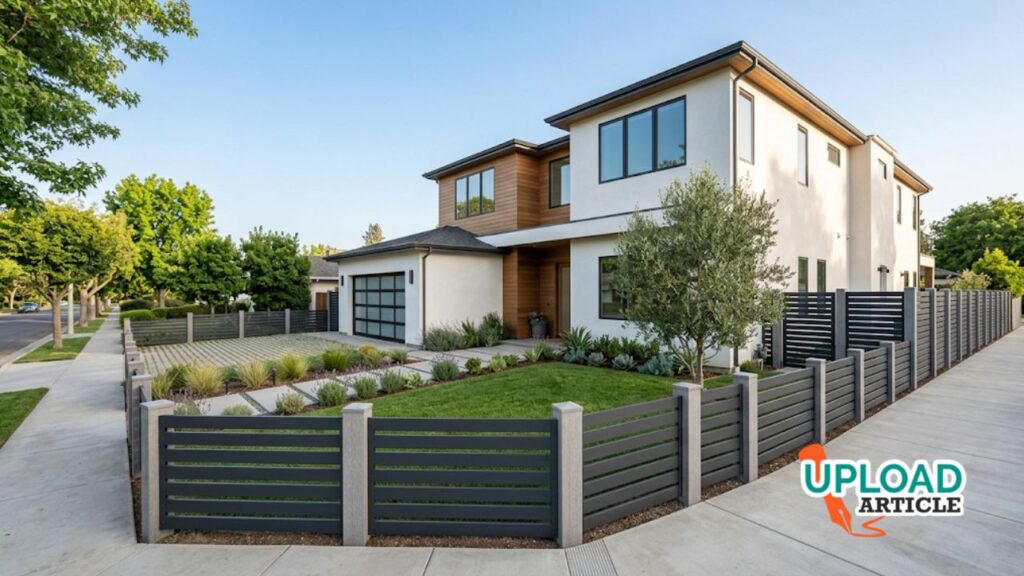
Walk through any new housing development today, and you’ll notice something different about the fencing. Clean lines, consistent finishes, and a design that actually complements the home rather than just surrounding it. That’s modular fencing—and it’s quickly becoming the go-to choice for property owners who want both practicality and visual appeal.
What Makes Modular Fencing Different?
Traditional fencing is built on-site from raw materials, which takes time, skilled labor, and often results in inconsistent quality. Modular fencing, by contrast, arrives in pre-engineered panels and components that fit together with precision. The process is faster, cleaner, and far less disruptive to your property.
This shift toward modular systems isn’t just about convenience. It reflects a broader change in how homeowners think about their outdoor spaces—as extensions of their home’s design, not just boundaries around a yard.
The Benefits That Matter Most
Flexibility for every property type
One of the strongest arguments for modular fencing is how well it adapts. Sloped yards, corner blocks, irregular boundaries—these used to create real headaches for traditional fencing contractors. Modular systems handle these challenges without expensive custom work.
Faster installation, lower labor costs
Because the components are pre-cut and pre-finished, installation takes significantly less time than conventional methods. Less time on-site means lower labor costs, which makes a real difference to your overall budget.
Durability built for the long run
Modern modular fencing is engineered to resist weathering, warping, and corrosion. Many systems use materials like powder-coated steel, aluminum, or composite timber—each chosen for their ability to hold up over years of exposure without demanding much in return.
Sustainability as a standard
Many manufacturers now produce modular fencing from recycled or sustainably sourced materials. For homeowners thinking beyond the immediate project, this matters. A fence that lasts longer and uses fewer resources over its lifetime is a more responsible choice.
Style Fencing: Where Function Meets Aesthetic
There’s a reason style fencing has become such a prominent category in the market. Homeowners no longer want to compromise between a fence that looks good and one that performs well—and they shouldn’t have to.
Style fencing within modular systems comes in a wide range of finishes, colors, and configurations. Horizontal slat designs work beautifully with contemporary architecture. Vertical paneling suits more traditional homes. Mixed material combinations—timber with steel framing, for example—create a layered, high-end look that adds genuine curb appeal.
The ability to mix and match components is where modular fencing really shines aesthetically. You can create a design that’s entirely your own, without the cost of fully custom fabrication. That kind of flexibility used to be reserved for high-budget builds. Now it’s accessible to most property owners.
Style fencing also directly influences property value. A well-chosen fence creates a strong first impression, defines outdoor living spaces clearly, and signals that the property has been thoughtfully maintained. These are details buyers and appraisers notice.
The Financial Case for Modular Fencing
It’s easy to focus on the upfront cost of any home improvement project. But with modular fencing, the smarter comparison is the total cost over time.
Traditional timber fencing typically requires repainting or restaining every few years, repairs after weather events, and eventual full replacement. Modular fencing sidesteps most of these expenses. The materials are chosen for longevity, and if a panel is damaged, you can replace that section alone—not the whole fence.
The scalability factor also adds long-term value. Planning to extend your garden? Adding a pool? Modular fencing can be expanded or reconfigured without starting from scratch. That adaptability protects your initial investment and keeps future costs manageable.
Why Modern Properties Are Making the Switch
Modern properties have specific demands. Urban and suburban blocks tend to be smaller, which means every design decision carries more visual weight. Homeowners want fencing that enhances the property rather than just enclosing it.
Modular fencing meets those demands directly. It aligns with contemporary design preferences, supports sustainability goals, and delivers performance that traditional materials simply can’t match over time. It’s a practical choice that also happens to look genuinely good—which is exactly what modern property owners are looking for.
A Straightforward Investment Worth Making
Modular fencing brings together style, durability, and long-term value in a way few other fencing options can. Whether you’re building new, upgrading an existing boundary, or simply tired of maintaining an aging timber fence, modular fencing deserves serious consideration.
It’s the kind of improvement that pays for itself—not just financially, but in the everyday experience of a property that looks and functions exactly as it should.