Office Designs Evolve to Support Hybrid Work & Net Zero Goals
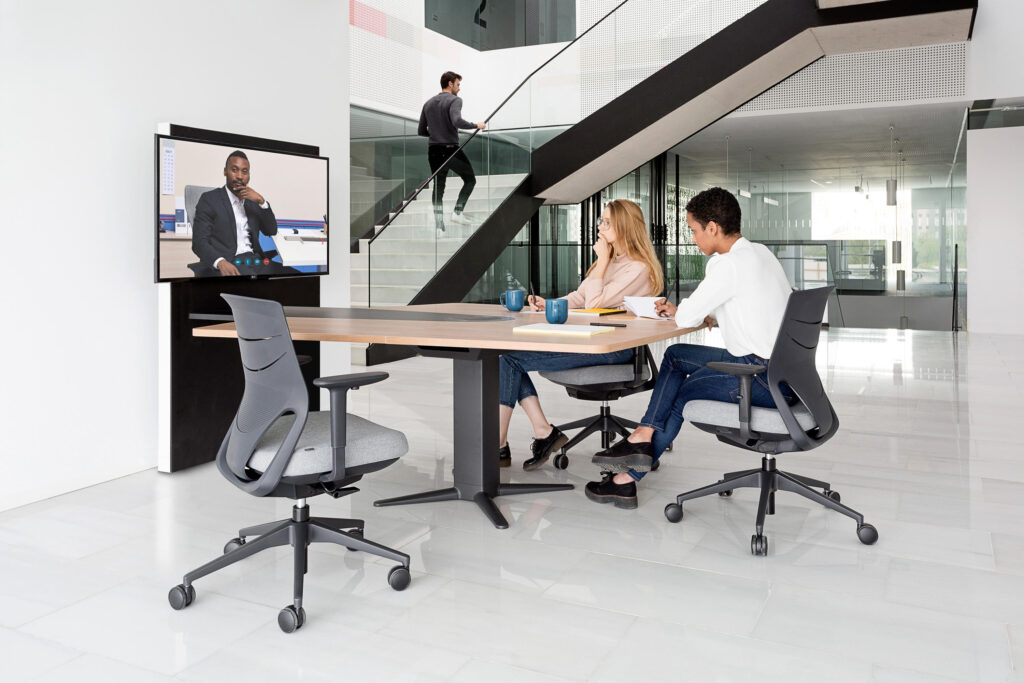
The post-pandemic work culture has undergone a massive transformation. Driven by tech innovations, the mandatory need for 100% physical presence in the workspace is losing significance. Henceforth, businesses have started to adopt a system that combines the best traditional and remote work culture, known as a ‘hybrid Work Model.’
With this significant shift in work culture, businesses are increasingly inclining towards flexible workspace solutions that can be adjusted according to their needs. Capitalizing on this increasing requirement, coworking space providers serving highly customized workspaces, focusing on elegant interior design and a professional work environment, are expected to reach USD 1.96 billion by FY 2032.
Apart from accommodating flexible work schedules, a silent revolution is brewing in the commercial real estate industry by developing sustainable office spaces. This directly addresses the most vulnerable issue of mitigating climate change risks that the world is struggling with. With this objective, flexible operators are playing a significant role in India’s journey to Net Zero Carbon emissions by 2070.
Hybrid Work & the Need for Flexible Office Spaces
With the gaining popularity of the hybrid work model, flexible office spaces in Chennai and other major cities are becoming an absolute necessity. In this work culture, employees are free to split their time between the office and home, creating the necessity for adaptable environments that can promote collaboration while assisting remote work flexibility.
Employers also realize that to fully exploit the current work culture, traditional rigid office set-ups must be replaced with open, multifunctional spaces designed for individual focus and team collaboration. These needs have finally paved the way for managed office spaces, which are designed to adapt to the constant changes in business requirements.
Most importantly, flexible workspaces relieve the astronomical expenditure required to maintain permanent office spaces. In an ecosystem bustling with startups and SMEs, having coworking spaces to cater to all their technical and infrastructural needs is massive support for easy scalability.
As a result, major Tier-1 and Tier-2 Indian cities are witnessing a boom in demand for flexible office spaces. In contrast, businesses trying to set up offices in different cities to bring their employees to an easy, convenient location can scale up and down their office requirements based on workforce needs. This impacts the demand for flexible offices in Chennai, offering ‘plug and play’ bespoke design office options for companies looking for optimum space utilization without a long-term commitment. This allows businesses to remain agile while ensuring employees get access to a productive and inspiring environment.
Sustainable Managed Office Spaces
Sustainable managed offices have emerged due to the traditional office model’s environmental concerns. These workspaces have pioneered implementing sustainable practices in office space design, garnering popularity globally and revolutionizing employee work culture.
By democratizing premium office spaces, flexspace operators eliminate every organization’s requirement for standalone offices. With the hybrid work model, one space can be utilized by various businesses across industries. Thus, by sharing amenities and services among the occupiers at shared office spaces, the reduction in carbon emissions is very significant.
Another key element of sustainable practices is that these places also have the potential to offer economic advantages to both the workspace providers and the building owner. Energy-efficient practices help reduce operational costs, for which tenant membership fees can be reduced. These reduced entry fees attract more players to take access, prompting sales figures to soar.
However, the initial high cost of setting up green practices often discourages many from implementing them. The government has initiated various tax benefits, grants, and easier access to green technology to overcome this issue, encouraging more shared office space providers to go green with their practices.
Key Elements of Future-Ready Office Design
- Energy-efficient Infrastructure: Integrating bright lighting, sensor-based heating and cooling, and solar-based panels helps reduce carbon footprints.
- Green and Biophilic Design: Incorporating natural elements into office spaces, such as indoor plants, green walls, and rooftop gardens, helps regulate indoor temperature naturally, eventually saving energy.
- Smart Technology Implementation: IoT-enabled office spaces can use sensors to monitor indoor air quality and energy usage, ensuring compliance with the sustainability target.
- Employee Wellness and Comfort: Ergonomic furniture, medical assistance, recreational zones, and adequate ventilation in office space ensure a healthy work environment for employees.
Conclusion
As the hybrid work model has started reshaping the professional world, businesses must align their office designs to support this work culture, keeping sustainability in mind. The focus on green initiatives and rising demand for LEED-certified buildings among business owners is at an all-time high.
Eco-friendly office spaces in Gurgaon, Chennai, and Bengaluru have witnessed a surge, clearly indicating how managed and shared office spaces are playing a significant role in creating a greener and more globalized India, fostering a healthier work culture.