Plant-Based Eating for Weight Loss: How Going Green Can Help You Shed Pounds

Introduction
Are you thinking about making the switch to a plant-based diet? Whether you’re looking to lose weight, boost your energy, or improve your overall health, going green can offer tremendous benefits. Adopting plant-based eating habits doesn’t mean giving up flavor or variety. With the right guidance and a few smart choices, plant-based meals can become your go-to for weight loss and well-being. In this guide, we’ll explore how incorporating more plants into your diet can help you shed pounds while nourishing your body.
What is a Plant-Based Diet? A Simple Explanation
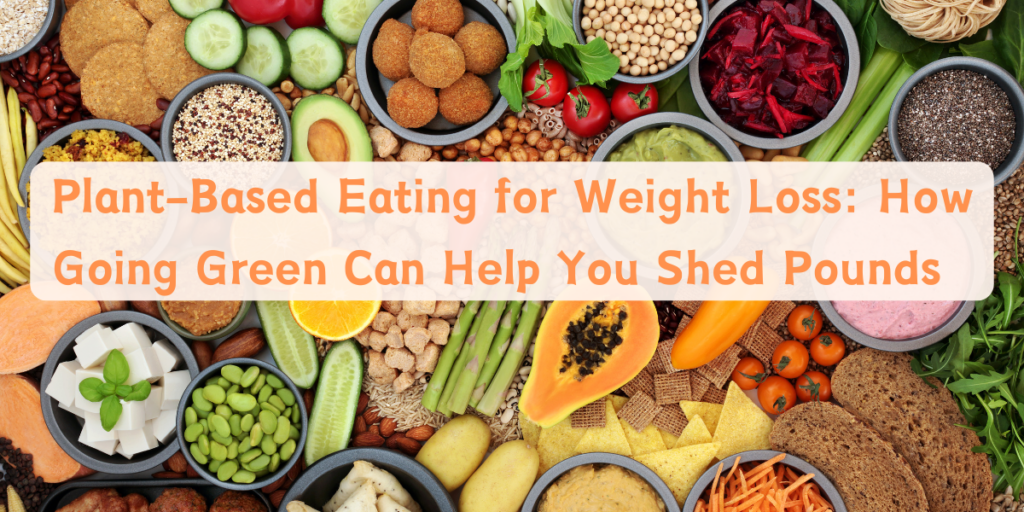
A plant-based diet focuses on consuming whole foods derived from plants—think vegetables, fruits, legumes, nuts, seeds, and whole grains. It’s not about restricting yourself to just leafy greens; instead, it’s about emphasizing plant-based options as the foundation of your meals. Many people turn to a plant-based diet for health benefits, but it can also assist in weight management. To track your calorie intake efficiently, you can use tools like calorie counters, which makes managing your calories and food choices a breeze with its real-time analysis feature.
Top Benefits of Switching to a Plant-Based Diet
Switching to a plant-based diet can drastically improve your health, and it can be especially beneficial for those looking to lose weight. Below are some of the key benefits that many people experience when adopting this lifestyle:
Improved Weight Management
By focusing on nutrient-dense, low-calorie foods, plant-based diets naturally encourage weight loss. Since fruits, vegetables, and whole grains are rich in fiber, they help keep you full longer, reducing overall calorie consumption.
Lower Risk of Chronic Diseases
Research has shown that plant-based diets are linked to a reduced risk of heart disease, diabetes, and high blood pressure. Eating a variety of plant-based foods provides antioxidants, vitamins, and minerals essential for long-term health.
Better Digestion and Gut Health
The high fiber content of a plant-based diet aids digestion and promotes a healthy gut. Fiber helps regulate bowel movements and can reduce bloating, making you feel more comfortable throughout the day.
Enhanced Energy Levels
Many people report feeling more energized after switching to a plant-based diet. With a steady supply of nutrients, your body operates more efficiently, and you avoid the energy crashes often linked to high-fat, animal-based foods.
Environmental Benefits
Not only is a plant-based diet great for your health, but it’s also an environmentally friendly choice. Reducing your consumption of animal products can lower your carbon footprint and contribute to sustainable farming practices.
Delicious and Easy Plant-Based Meal Ideas
Making the switch to plant-based eating doesn’t mean your meals have to be bland or boring. Here are a few meal ideas that are not only healthy but also delicious:
- Chickpea Salad: Packed with fiber and protein, chickpeas are perfect for salads, soups, or wraps. Toss them with leafy greens, avocado, cucumber, and a lemon-tahini dressing for a satisfying meal.
- Quinoa Stir-Fry: Use quinoa as a base and add colorful vegetables like bell peppers, broccoli, and carrots. Top with a drizzle of soy sauce or sesame oil for extra flavor.
- Lentil Soup: Lentils are rich in protein and iron. Cook them with tomatoes, onions, garlic, and spices to make a hearty and filling soup.
- Vegan Tacos: Swap traditional taco meat with black beans, sautéed veggies, and a bit of guacamole. It’s a fun and nutritious way to enjoy Mexican food.
Must-Have Essentials for a Balanced Plant-Based Diet
When following a plant-based diet, it’s important to ensure you’re getting the right balance of nutrients. Tools like a calorie tracker can help monitor your intake to make sure you’re meeting your nutritional goals. Here are some essentials for a balanced diet:
- Protein: Include plant-based protein sources like tofu, tempeh, lentils, and quinoa.
- Healthy Fats: Avocados, nuts, seeds, and olive oil are great sources of plant-based fats that promote heart health.
- B12 and Iron: Since these nutrients are often found in animal products, consider fortified plant-based foods or supplements to meet your needs.
- Fiber: Incorporate fiber-rich foods such as beans, whole grains, fruits, and vegetables to support digestion and maintain fullness.
How a Plant-Based Diet Can Shed Pounds and Improve Your Health
Switching to a plant-based diet can be a powerful tool for weight loss and overall health improvement. One of the primary ways it helps shed pounds is through its low-calorie density. Plant-based foods, especially fruits, vegetables, whole grains, and legumes, tend to be much lower in calories than their animal-based counterparts. Despite being lower in calories, these foods are high in nutrients and fiber, which makes them incredibly filling, helping you stay satisfied for longer periods and reducing the temptation to overeat.
In addition, the high fiber content of a plant-based diet promotes digestion and regular bowel movements, which can lead to better gut health and improved metabolism. By cutting out or significantly reducing your intake of animal fats, you lower your risk of heart disease and other chronic illnesses, while still getting the essential fats your body needs from sources like avocados, nuts, and seeds. The nutrients from plant foods also support the body’s natural detoxification processes, giving you more energy and helping you feel revitalized.
Debunking Common Plant-Based Diet Myths
Despite its many benefits, there are still some misconceptions about plant-based eating. Let’s clear up a few myths:
- Myth 1: Plant-Based Diets Lack Protein: With proper planning, plant-based diets can provide plenty of protein from sources like beans, lentils, tofu, and quinoa.
- Myth 2: Plant-Based Diets Are Expensive: In reality, plant-based meals can be budget-friendly, especially when you focus on whole grains, beans, and seasonal vegetables.
- Myth 3: You Can’t Build Muscle on a Plant-Based Diet: Many athletes and bodybuilders follow plant-based diets while maintaining or building muscle mass with the right protein sources and resistance training.
Smart Strategies for Adopting a Plant-Based Lifestyle
- Start Gradually: Begin by replacing one meal each day with a plant-based option, then slowly increase the number over time.
- Plan Your Meals: To prevent reverting to processed foods, plan your meals ahead of time and prepare them to make plant-based eating more convenient.
- Use Calorie AI: Tools like Calorie AI can help you track your food intake, ensuring that you’re getting the right balance of nutrients to meet your weight loss goals.
- Stock Your Pantry with Plant-Based Staples: Fill your kitchen with healthy plant-based ingredients such as legumes, grains, nuts, seeds, and fresh vegetables. This will make it easier to whip up quick and nutritious meals, reducing the urge to reach for non-plant-based options.
- Experiment with Flavor and Variety: Don’t hesitate to try out new recipes and flavor combinations. A plant-based diet offers a wide range of options, from savory stir-fries to hearty salads and tasty smoothies. The more varied your meals, the more enjoyable your plant-based journey will be!
Final Thoughts: Why Embrace a Plant-Based Diet?
Adopting a plant-based diet goes beyond just losing weight—it’s a transformative lifestyle choice that can enhance your health, increase your energy, and lower your chances of developing chronic illnesses. If you’re ready to make a beneficial change to your eating habits, now is an excellent time to start. Utilizing tools like a calorie counter can help you monitor your meals, manage your nutritional intake, and make your weight loss objectives more attainable. So, why delay? Begin your plant-based journey today and experience the benefits!