AI in recruitment: How intelligent platforms are changing hiring operations

As the job market becomes increasingly competitive, businesses and recruitment agencies face a major challenge: how to process large volumes of candidate data while maintaining recruitment speed and quality. At the same time, relying entirely on manual workflows leads to higher operational costs, longer hiring cycles, and missed opportunities to connect with qualified talent. According to many industry experts, this is the point where AI is no longer just an experimental technology. It is gradually becoming a new operational layer for modern recruitment businesses.
1. The real challenges of the recruitment industry
In traditional recruitment operations, recruiters spend a significant amount of time on repetitive tasks such as reviewing CVs, entering data, filtering applications, following up on emails, scheduling interviews, and updating candidate statuses.
As recruitment operations scale, data often becomes scattered across emails, Excel files, CRM systems, and different recruitment platforms. This creates synchronization issues and makes data difficult to manage effectively.
Another challenge lies in candidate-job matching. In reality, many suitable candidates may be overlooked simply because different terms are used to describe similar skills. For example, a candidate profile may mention “Software Engineer” while the job description uses the term “Python Developer.” With manual searches or simple keyword-based systems, it is difficult to identify the semantic connection between the two.
Recruitment companies today also need to process large amounts of unstructured data, including CVs in PDF or DOCX format, client emails, interview notes, and LinkedIn data. This type of information is difficult to analyze efficiently without AI support.
Limitations in data processing and candidate matching directly affect hiring speed as well. For staffing agencies, even a delay of a few hours in submitting candidate profiles can result in losing opportunities to competitors.

2. How AI Is Changing Recruitment Operations
To solve these challenges, many international businesses are investing in AI-integrated recruitment platforms built directly into the core system architecture.
One of the most notable trends is the use of Large Language Models (LLMs) such as GPT-4o to process recruitment data based on context rather than relying only on traditional keywords.
PowerGate Software participated in developing an AI-powered recruitment platform for the international market, covering the full product lifecycle from requirement analysis, product experience design, and system development to testing and final delivery.
The platform was designed to help recruiters reduce manual work and improve hiring efficiency.
3. From keyword search to context-based matching
One of the biggest advantages of AI in recruitment is its ability to understand semantic meaning.
The platform uses OpenAI Embeddings together with vector search pipelines orchestrated through LangChain to calculate similarity between candidate profiles and job descriptions. This allows the system to identify suitable candidates even when the wording is not the same.
For example, recruiters can search using natural language queries such as: “Candidates with Python skills contacted within the last three months.”
The system can automatically analyze the request, retrieve relevant data, and return suitable candidates instead of performing simple keyword scans.
This is considered an important shift from “recruiting from a candidate database” to “using AI to connect the right candidates with the right opportunities.”
4. AI is also transforming email, scheduling, and CRM workflows
Another major challenge for recruitment agencies is managing communication with candidates and clients. Recruiters often handle hundreds of emails each week, making it difficult to track schedules, follow-up tasks, and recruitment progress.
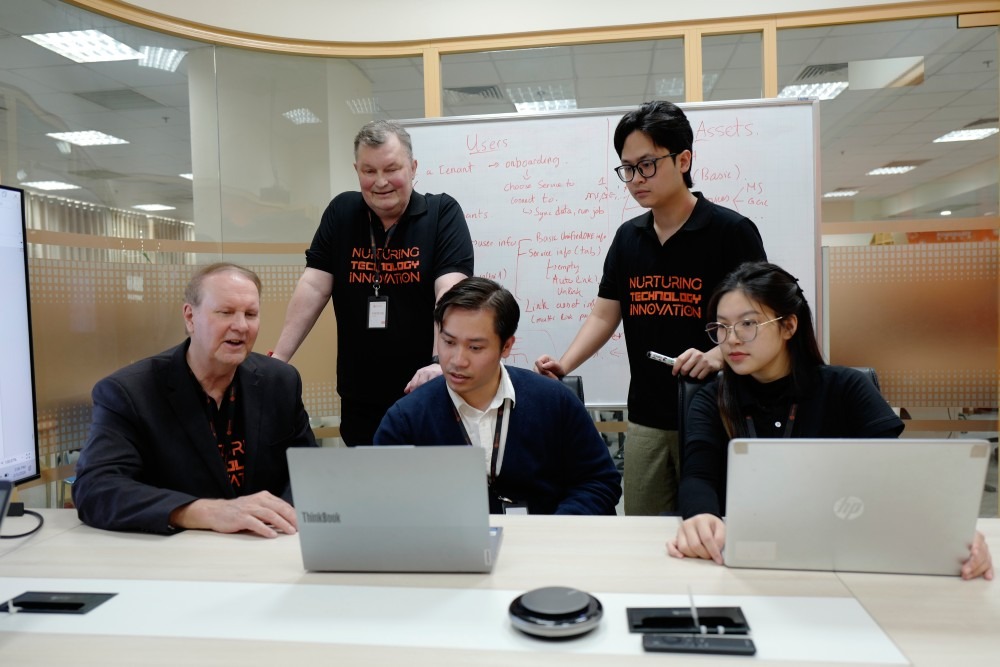
The AI-powered recruitment platform developed by PowerGate Software integrates directly with Office 365 and Gmail, enabling real-time email analysis.
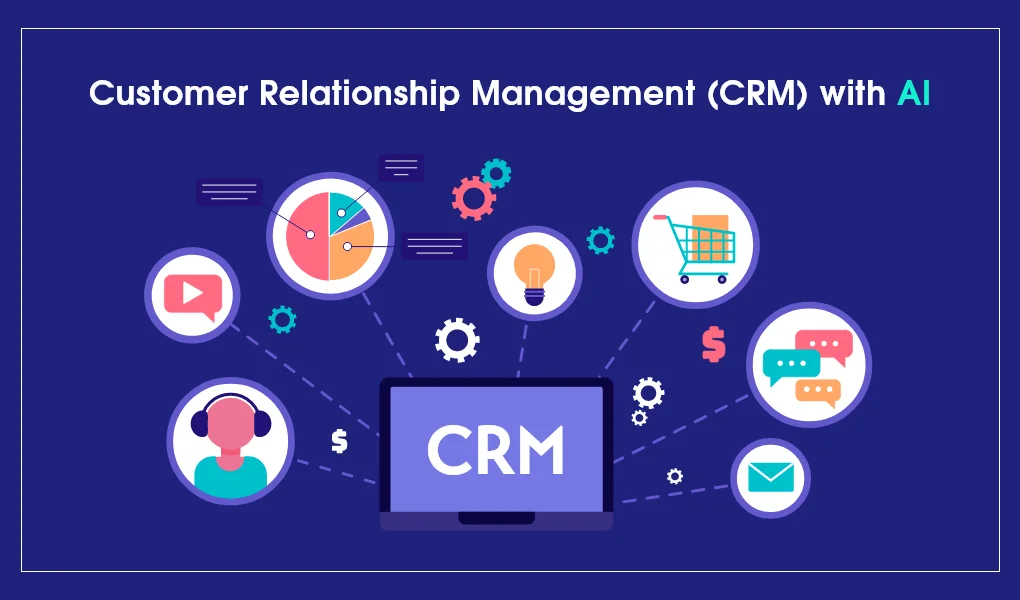
AI can identify important content, automatically suggest follow-up reminders such as “send a follow-up email after one week,” and link emails to related candidate or client profiles inside the CRM system.
In addition, the platform synchronizes meetings, tasks, and reminders through the Microsoft Graph API, creating a more connected workflow between communication and recruitment operations.
According to the development team, the goal is not to replace recruiters but to allow them to focus more on strategic activities such as client consulting and candidate relationship building.
5. AI will not replace recruiters, but it will change how they work
Many experts believe that AI will not eliminate the recruitment industry, but it will significantly reshape how the industry operates over the next five years.
Future recruiters may spend less time on repetitive administrative tasks and more time on consulting, strategy development, and relationship management. Meanwhile, AI will act as a co-pilot that supports data processing, behavior analysis, and real-time recommendations.
For businesses, investing in AI-powered recruitment platforms is no longer only a technology decision. It is becoming a competitive advantage in the race to attract talent.
At PowerGate Software, AI is integrated throughout the product development process, from requirement analysis and user experience design to system development and post-launch optimization. With experience supporting international startups and enterprises in AI and software development projects, the PowerGate Software team focuses on building platforms that solve real business challenges rather than simply applying technology for its own sake.
Businesses interested in building AI-powered recruitment platforms or developing AI-integrated products can contact PowerGate Software through the information below:
- Website PowerGate Software: https://powergatesoftware.com/
- Website PowerGate Group: https://powergategroup.com/
- Email: contact@powergatesoftware.com
- Address: 219 Trung Kinh Street, Yen Hoa Ward, Hanoi, Vietnam