How Preventive Dentistry Reduces the Cost of Long-Term Oral Care
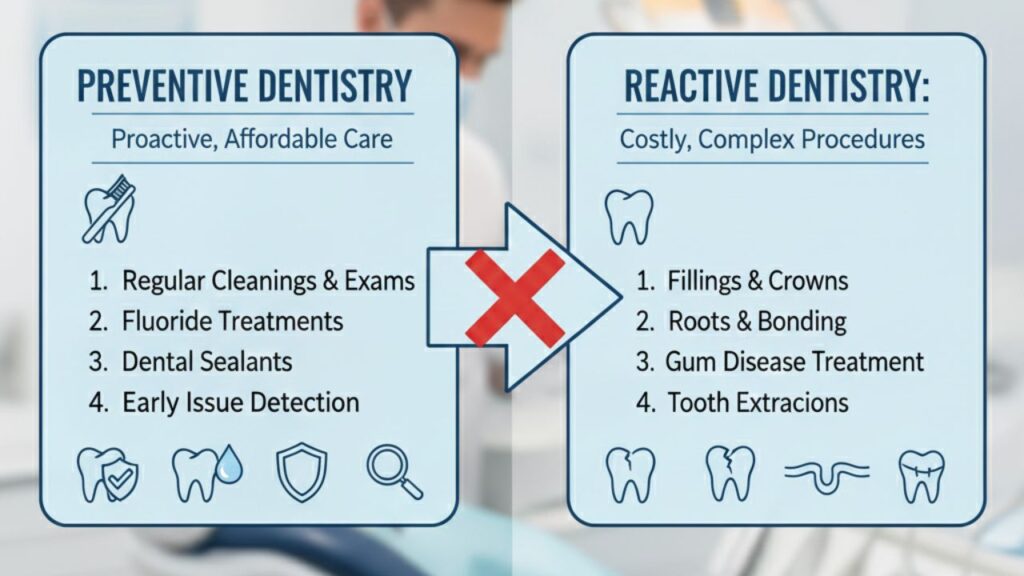
Preventive dentistry protects more than your teeth. It protects your budget.
When you stay consistent with cleanings, exams, and early treatments, you stop small problems before they turn into painful (and expensive) emergencies. A tiny cavity can be fixed with a simple filling. But if you ignore it, it can reach the nerve and lead to a root canal, crown, or even tooth loss.
The goal of preventive care is simple: catch issues early, reduce damage, and keep treatment predictable. This guide explains how routine dental visits, fluoride, sealants, and healthy daily habits can lower your long-term oral care costs, and how finding the right support—like dental Care in Gates & Rochester, NY—can make it easier to stay on track.
Why Small Problems Cost Less Than Big Ones
Most serious dental problems start quietly.
Tooth decay often begins as a soft spot in enamel. Gum disease may begin with mild bleeding when brushing or flossing. At this stage, treatment is typically quick and affordable.
But if the issue keeps progressing, it can turn into:
- Deep decay that reaches the nerve
- Infection and swelling
- Bone loss around teeth
- Loose teeth or tooth loss
And that’s where costs climb. More advanced treatment usually means more appointments, more time off work, and higher out-of-pocket spending.
A simple preventive routine reduces those risks:
Brush twice daily with fluoride toothpaste
Floss once a day (or use an interdental cleaner)
Visit your dentist every 6 months (or as advised)
How Preventive Visits Save Money Over Time
Think of preventive dentistry like maintaining a car. Regular oil changes and inspections are small costs that help you avoid a major breakdown later.
Preventive dental care works the same way. You pay smaller, predictable costs now so you can avoid big, stressful bills later.
Here’s the pattern most people experience:
Low-cost preventive services
Routine exam, X-rays (when needed), professional cleaning, fluoride, sealants
Mid-cost early treatments
Small fillings, minor gum treatment, bite adjustments, night guards (when needed)
High-cost advanced treatments
Root canals, crowns, surgical gum treatment, extractions, implants, bridges, dentures
The earlier you catch a problem, the more likely you can fix it with a simpler treatment.
What Preventive Dentistry Includes
Preventive dentistry is not just “a cleaning.” It’s a system designed to keep your mouth healthy and reduce expensive surprises.
Dental Exams and Early Detection
A routine exam helps spot issues you might not feel yet, such as:
- early cavities between teeth
- gum inflammation
- cracked fillings
- grinding damage
- early signs of infection
Catching these early often prevents major treatment later.
Professional Cleanings
Even if you brush well, plaque can harden into tartar. Once that happens, it can’t be removed at home.
Professional cleanings help:
- reduce gum inflammation
- prevent tartar buildup
- lower the risk of bad breath and bleeding gums
- keep small issues from turning into gum disease
Fluoride Treatments
Fluoride strengthens enamel and helps lower cavity risk. It’s especially useful for:
- children and teens
- adults prone to cavities
- people with dry mouth
- those with exposed root surfaces
Sealants
Sealants are thin protective coatings applied to back teeth (especially in children and teens). They help prevent decay in the deep grooves where cavities often start.
Gum Checkups and Periodontal Care
Gum disease is one of the most expensive long-term dental problems because it affects the bone and foundation of the teeth.
Preventive gum care includes:
- measuring gum pockets
- removing tartar around the gum line
- early deep cleanings if needed
- home-care coaching for bleeding or inflammation
Treating gum issues early can help you avoid tooth mobility, bone loss, and costly replacement work.
How Preventive Care Helps Different Age Groups
Preventive dentistry saves money at every stage of life, but the “big savings” look a little different depending on age.
Children and Teens
Preventive dentistry for kids focuses on stopping cavities early and protecting developing teeth.
Benefits include:
- fewer fillings and emergency visits
- protection for back teeth with sealants
- guidance on brushing, diet, and habits
- early checks that may reduce future orthodontic problems
A strong foundation in childhood usually means lower dental costs as an adult.
Working Adults
For adults, the biggest cost drivers are usually:
- untreated decay that turns into root canals/crowns
- gum disease (which often progresses silently)
- cracked teeth from grinding or stress
Preventive visits help you avoid work disruptions too. Tooth pain and emergencies can lead to missed shifts, urgent appointments, and higher last-minute bills.
Older Adults
As we age, new risk factors appear:
- dry mouth from medications
- gum recession that exposes sensitive root surfaces
- worn dental work that needs monitoring
- higher risk of infection if overall health is affected
Preventive dentistry helps older adults keep natural teeth longer and reduces costly complications.
Daily Habits That Lower Your Dental Costs
The most affordable dental care is what you prevent at home.
These habits make the biggest difference:
Brush twice a day for 2 minutes
Use fluoride toothpaste and focus on the gum line.
Clean between teeth daily
Floss, interdental brushes, or water flossers all work. The goal is to remove plaque where a toothbrush can’t reach.
Limit sugary snacks and drinks between meals
Frequent sugar exposure feeds bacteria and increases cavity risk.
Drink water regularly
Hydration supports saliva flow, which naturally protects teeth.
If you’re cavity-prone, your dentist may recommend a fluoride rinse or other targeted prevention options.
How to Plan Preventive Visits Without Feeling Overwhelmed by Cost
Many people skip the dentist because they fear a bill. Unfortunately, skipping is usually what creates bigger bills later.
A simple plan makes preventive care easier:
Check what your dental insurance covers for preventive visits
Many plans cover routine exams and cleanings.
Ask about payment options
Some clinics offer membership plans, family bundles, or simple payment arrangements.
Book your next appointment before you leave
This keeps you consistent and avoids long gaps.
Keep a short “notes list” on your phone
If you notice sensitivity, bleeding, or a rough edge, write it down and mention it at your visit. Early reporting helps your dentist fix problems faster and cheaper.
The True Cost of Waiting
The most expensive dental pattern usually looks like this:
Ignore early symptoms
Avoid checkups
Problem gets worse
Pain starts
Emergency visit happens
More complex treatment required
Preventive care flips that pattern:
Routine checkups
Early detection
Simple treatment
Lower costs
Fewer emergencies
Better long-term stability
Final Thoughts: Preventive Dentistry Is an Investment in Comfort and Savings
You can’t control every health issue, but you can control consistency.
Each preventive visit is a small step that protects your teeth, reduces stress, and lowers the risk of major dental expenses later. Over time, that adds up to fewer emergencies, fewer invasive procedures, and a healthier mouth you can rely on.
If you want to reduce long-term dental costs, start with one simple step today: schedule your next exam and cleaning, and keep your home routine steady. Your future self will thank you every time you avoid pain—and every time you avoid a big bill.